
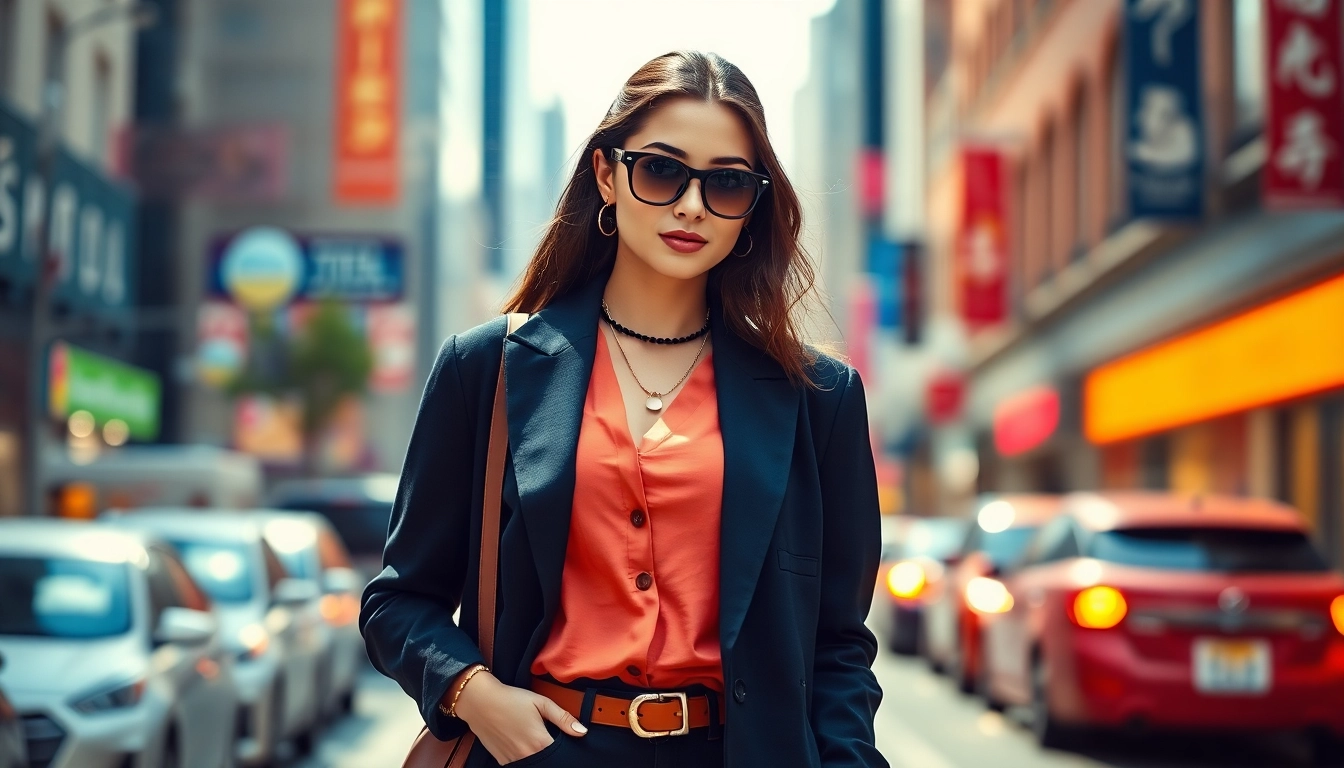
Elevate Your Style: Understanding Fashion Trends and Personal Expression
Introduction to Fashion Trends
Fashion is an ever-evolving landscape, influencing personal identity and cultural expression. It reflects the Zeitgeist of any era, enabling individuals to communicate their values and lifestyles through their clothing choices. From haute couture to street style, the realm of Fashion encompasses a variety of styles, trends, and movements that are shaped by societal changes and technological advancements. Understanding fashion is essential for anyone who wishes to navigate its complexities.
Definition and Historical Context
The term “fashion” originates from the Latin word “facere,” meaning “to make.” It is used interchangeably to describe the creation, adoption, and dissemination of styles in clothing, footwear, accessories, and more, often reflecting cultural aesthetics. Historically, fashion has been linked to status, gender, age, and environment. The patterns, motifs, and styles of clothing have transformed significantly, illustrating the social fabric of the time.
Importance of Fashion in Culture
Fashion plays a critical role in shaping cultural identities and societal norms. It acts as a form of self-expression and a representation of social status. Throughout history, fashion movements have emerged as responses to significant cultural shifts, such as the feminist movements of the 1960s or the punk rock movement of the 1980s, influencing not only clothing but also art, music, and lifestyle choices. The cyclical nature of fashion demonstrates its deep connection to cultural heritage and innovation.
Major Fashion Movements Over the Decades
Fashion has undergone numerous transformations over the decades, marked by distinct movements that have defined the style of each period. The 1920s saw the emergence of flapper culture, characterized by bold dresses and a breakaway from traditional norms. The 1960s introduced mod fashion, with vibrant colors and youth-centric aesthetics dominating the scene. The 1990s marked a return to minimalism, while the 2000s ushered in a blend of various influences, including hip-hop and streetwear. Each movement has significantly contributed to contemporary fashion, establishing trends that persist today.
Key Fashion Styles and Their Elements
Casual vs. Formal Fashion
Fashion can be broadly categorized into casual and formal styles, each serving different purposes and occasions. Casual fashion focuses on comfort and ease, often featuring relaxed fits, denim, basic tees, and athleisure wear. It allows for personal expression while remaining practical. In contrast, formal fashion is associated with sophisticated events, typically involving tailored suits, elegant dresses, and sophisticated accessories. Understanding the differences between these two styles is crucial for crafting appropriate outfits for various occasions.
Seasonal Trends in Fashion
Fashion is heavily influenced by seasonal trends, which can dictate color palettes, fabrics, and styles. Each season typically brings a new wave of trends influenced by various factors, such as runway shows, celebrity endorsements, and socio-political events. Fashion designers carefully curate seasonal collections that reflect current themes and cultural shifts, ensuring their designs resonate with their target audience. Staying ahead of these trends allows fashion enthusiasts to remain stylish and versatile throughout the year.
Fashion Accessories that Make a Statement
Accessories are vital in transforming an outfit, allowing individuals to express their personality and elevate their style. From statement necklaces to bold handbags and footwear, accessories play a crucial role in enhancing one’s overall look. They can reflect individuality and make an outfit uniquely yours. Understanding how to mix and match accessories with different outfits is key to maximizing your wardrobe’s potential.
The Role of Fashion in Personal Identity
Fashion as Self-Expression
Fashion serves as a powerful medium of self-expression, allowing individuals to communicate their personality, ideals, and beliefs without uttering a single word. The clothes we choose to wear act as a visual language that reflects our identity and how we wish to be perceived by others. By carefully curating our wardrobes—whether through color combinations, layering techniques, or stylistic choices—we can signal our societal affiliations, cultural backgrounds, and distinctive tastes.
Societal Influences on Fashion Choices
Societal influences such as trends, media representation, and cultural heritage shape our fashion choices. Media plays a pivotal role in popularizing certain styles, with endorsements from celebrities and influencers significantly impacting public perception. Cultural background and social norms also dictate fashion preferences, as traditional attire varies widely across different cultures. Recognizing these influences helps individuals understand the broader context behind their fashion choices and encourages a deeper appreciation for diversity in style.
How to Find Your Unique Style
Finding your unique style involves experimentation, observation, and understanding your body type. Start by identifying pieces that resonate with you—those that evoke confidence and comfort. Explore fashion blogs, magazines, and social media for inspiration, but always aim to adapt trends to suit your personal aesthetic. Consider seeking the help of a stylist for personalized advice. Over time, your unique style will evolve, reflecting your changing tastes and life experiences.
Sustainable Fashion Practices
Understanding Eco-Friendly Fabrics
In recent years, sustainability has become a cornerstone of modern fashion. Eco-friendly fabrics such as organic cotton, linen, hemp, and Tencel are gaining traction due to their lower environmental impact. These materials are produced with minimal chemical use and often incorporate ethical labor practices. By choosing sustainable fabrics, consumers can significantly reduce their carbon footprint while supporting a more responsible fashion industry.
The Rise of Thrift Shopping
Thrift shopping has surged in popularity as consumers become more environmentally conscious and seek unique fashion finds at affordable prices. This trend promotes a circular economy, allowing clothing to be reused and repurposed rather than discarded. Thrift stores also provide opportunities for creativity, enabling individuals to curate standout pieces that can’t be found in mainstream retail. By embracing thrift shopping, fashion lovers can express individuality while supporting sustainable practices.
Brands Committed to Sustainability
Many fashion brands are now prioritizing sustainability in their operations, embracing concepts such as eco-friendly materials, ethical labor, and transparent supply chains. Consumers should look for brands that emphasize these values, as they contribute positively to the environment while promoting responsible consumption. Supporting sustainable brands not only bolsters the shift toward a greener industry but also encourages others to adopt similar practices for a collective impact.
Navigating the Fashion Industry Today
Impact of Social Media on Fashion
Social media has revolutionized the fashion industry, offering platforms for designers, influencers, and consumers to interact directly. Through channels like Instagram and TikTok, trends can emerge and evolve rapidly, often dictated by viral content. This environment encourages diverse representations of beauty and style, allowing marginalized voices to be heard. However, it also contributes to the fast fashion phenomenon, raising concerns about the environmental and ethical consequences of quick consumption.
Online Shopping Tips for Fashion Enthusiasts
Online shopping has transformed the way we experience Fashion. To navigate this landscape effectively, shoppers should familiarize themselves with size charts, read customer reviews, and verify return policies to ensure a satisfactory experience. Furthermore, subscribing to newsletters can provide insights into upcoming sales, discounts, and exclusive collections—maximizing value in their shopping endeavors. Additionally, utilizing virtual fitting rooms and augmented reality can aid in finding well-fitting garments.
Future Trends in Fashion to Watch
The future of fashion is set to be shaped by innovative technologies such as AI-driven design, digital fashion, and virtual shopping experiences. Sustainability will remain a dominant theme, with greater emphasis on reducing waste and ensuring ethical manufacturing practices. Additionally, the growing importance of inclusivity will likely drive brands to offer diverse sizing and styles that cater to broader audiences. Staying attuned to these trends will empower consumers to make informed fashion choices.
Frequently Asked Questions about Fashion
What does fashion mean?
Fashion is the practice of creating and wearing clothing, accessories, and cosmetics that reflect cultural aesthetics, offering a means of self-expression and identity.
Who are the big names in fashion today?
The fashion industry features numerous influential figures, including designers, models, and influencers who shape trends and inspire consumers worldwide.
What is the most popular fashion trend right now?
Current fashion trends include oversize silhouettes, bold prints, and the fusion of streetwear with high couture, catering to a diverse range of styles and preferences.
How can I develop my personal style?
To develop your personal style, explore various fashion inspirations, experiment with different clothing combinations, and reflect on what resonates with your personality.
Is sustainable fashion more expensive?
Sustainable fashion may have a higher upfront cost due to ethical practices and eco-friendly materials. However, it can lead to savings in the long run through durability and reducing waste.