
Effective Bed Bug Removal Techniques for a Pest-Free Home
Understanding Bed Bugs
What Are Bed Bugs?
Bed bugs are small, nocturnal insects that feed on the blood of humans and animals. Belonging to the Cimex genus, these pests are typically reddish-brown in color and can grow to about 5-7 mm in length. Despite their small size, bed bugs can cause significant stress and discomfort to those affected by them. Named for their preference for hiding in and around beds, they can also be found in various other areas within a home, making effective bed bug removal strategies essential for any homeowner.
Signs of an Infestation
Recognizing a bed bug infestation early can make the difference between a manageable problem and a full-blown crisis. Key signs include:
- Physical Bites: Red, itchy welts on the skin, often appearing in a line or cluster.
- Blood Stains: Small, reddish spots on sheets or mattresses, which can occur from crushed bugs or bites.
- Fecal Spots: Dark brown or black excrement that resembles tiny ink stains, often found in areas where bed bugs hide.
- Shells: Exoskeletons left behind after bed bugs molt, often found in the same areas where the bugs are hiding.
Why Bed Bug Removal Is Necessary
Beyond the uncomfortable and itchy bites, bed bugs can significantly impact your quality of life and mental well-being. Their presence can lead to sleep disturbances, anxiety, and even stress-related health issues. Moreover, bed bugs reproduce quickly; a small infestation can become a large one in a matter of weeks. Hence, effective bed bug removal is crucial to maintaining a healthy and stress-free living environment.
Preparing for Bed Bug Removal
Assessing the Area
Before initiating any removal procedures, it’s vital to assess the extent of the infestation. This involves a detailed inspection of all sleeping areas, furniture, and even personal belongings. Check seams of mattresses, bed frames, and other furniture for signs of bed bugs or their droppings. This assessment will guide your removal strategy, helping you to identify which areas require immediate attention.
Gathering Necessary Supplies
Effective bed bug elimination requires a number of tools and materials. Commonly recommended supplies include:
- Pesticide labeled for bed bug treatment
- Vacuum cleaner with a HEPA filter
- Plastic bags for sealing infested items
- Prepare personal protective equipment like gloves and masks
Creating a Treatment Plan
Carefully outline the steps you will follow for bed bug removal. An effective plan usually includes methods for immediate treatment of infested areas, as well as strategies for long-term prevention. Considerations should include whether you’ll opt for DIY methods or enlist professional help.
DIY Bed Bug Removal Methods
Heat Treatment Techniques
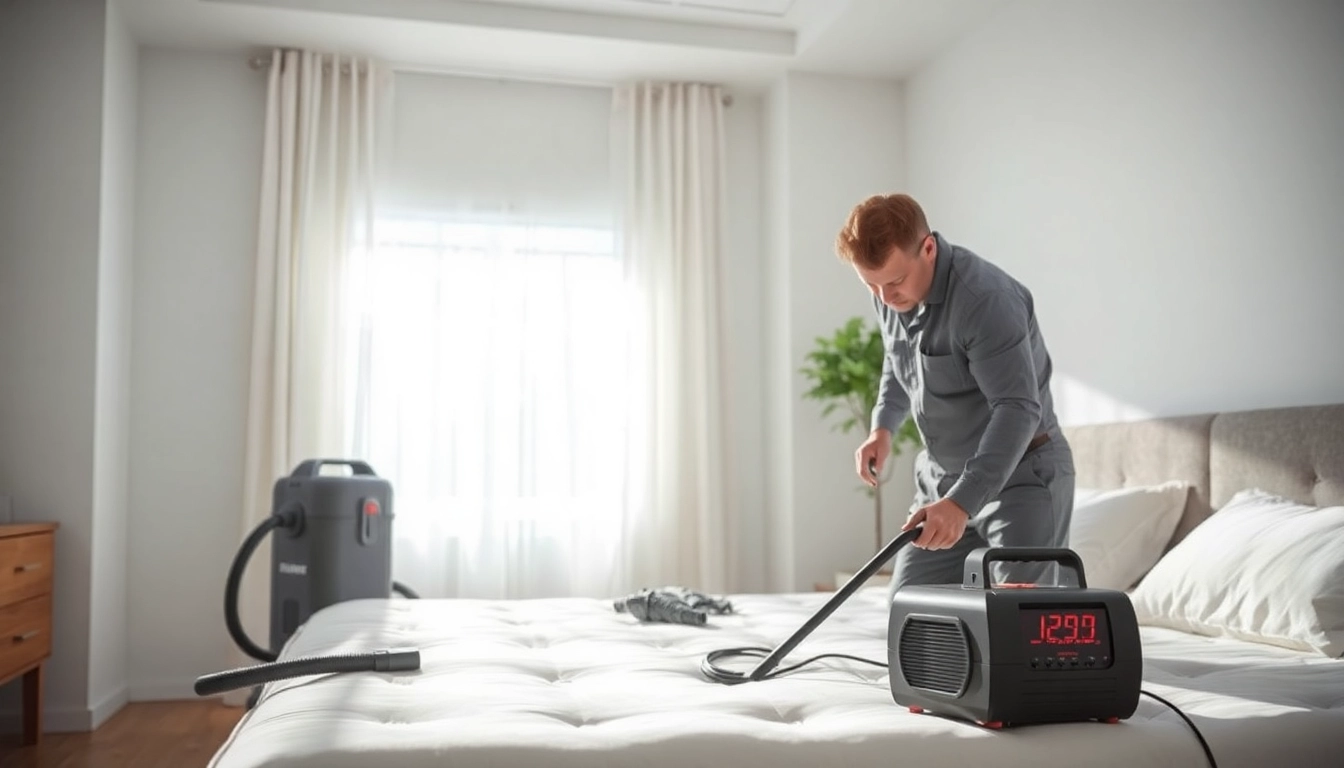
Heat treatment is one of the most effective DIY methods for bed bug removal. Bed bugs cannot survive temperatures above 120°F (48.9°C). Using portable heaters, you can target specific areas or items in your home, such as beds or upholstered furniture. Always monitor temperature closely to avoid damaging items.
Using Chemical Solutions
If you choose to use chemical solutions, select those specifically labeled for bed bug removal. Follow directions carefully to avoid harmful effects on both humans and pets. Always consider using non-chemical alternatives first, as synthetic pesticides can present health risks if not used correctly, and many bed bugs are developing resistance to traditional pesticides.
Preventive Measures
Prevention is just as important as removal. Simple steps such as regularly washing bedding in hot water, vacuuming frequently, and sealing cracks can minimize the risk of future infestations. Consider implementing mattress covers as an additional preventive measure, as they can provide a barrier against bed bugs.
When to Hire Professionals
Identifying the Right Exterminator
If your efforts to eliminate bed bugs are not successful, it may be time to seek professional help. Choose an exterminator with a strong positive reputation and one that specializes in bed bug removal. Ensure they use integrated pest management techniques for the most effective results.
What to Expect from a Professional Service
Professional extermination services will typically involve a detailed inspection followed by one or more treatment methods. You may need to leave your home during treatment and take specific steps to prepare, such as moving furniture. Ensure they explain their process to you thoroughly and provide guidance on how to prepare your space for their visit.
Cost of Professional Bed Bug Removal
The cost for professional bed bug removal can vary based on the extent of infestation, size of the area treated, and methods used. On average, treatments can range from a few hundred to a few thousand dollars. Budgeting for this cost and understanding potential additional expenses—such as follow-up treatments—can help ease financial concerns.
Maintaining a Bed Bug-Free Environment
Regular Inspections
Once you have successfully eliminated a bed bug infestation, the next step is to maintain vigilance. Regular inspections—especially in high-risk areas—can help ensure that any return of these pests is addressed immediately.
Best Practices for Prevention
To keep bed bugs at bay, it’s vital to engage in several preventive best practices. These include encasing mattresses and box springs, inspecting used furniture before bringing it home, and keeping luggage elevated when traveling. Being proactive can significantly reduce your risk of future infestations.
FAQs About Bed Bug Removal
1. Can I get rid of bed bugs on my own?
While DIY methods can be effective, severe infestations often require professional assistance. A thorough approach combining DIY and professional methods is often best.
2. How long does it take to eliminate bed bugs?
The timeline can vary, but complete eradication may take weeks to months, depending on the infestation level and methods used.
3. Are bed bugs dangerous to my health?
Bed bugs are not known to transmit diseases, but their bites can lead to allergic reactions, secondary infections, and psychological distress.
4. What can I do to prevent future infestations?
Regular inspections, washing bedding frequently, and using protective covers on mattresses can help deter future infestations.
5. Do bed bugs live in clothing?
Yes, bed bugs can hide in clothing, especially when it is in close proximity to infested areas. Always inspect and wash items that may have been in contact with infested environments.