
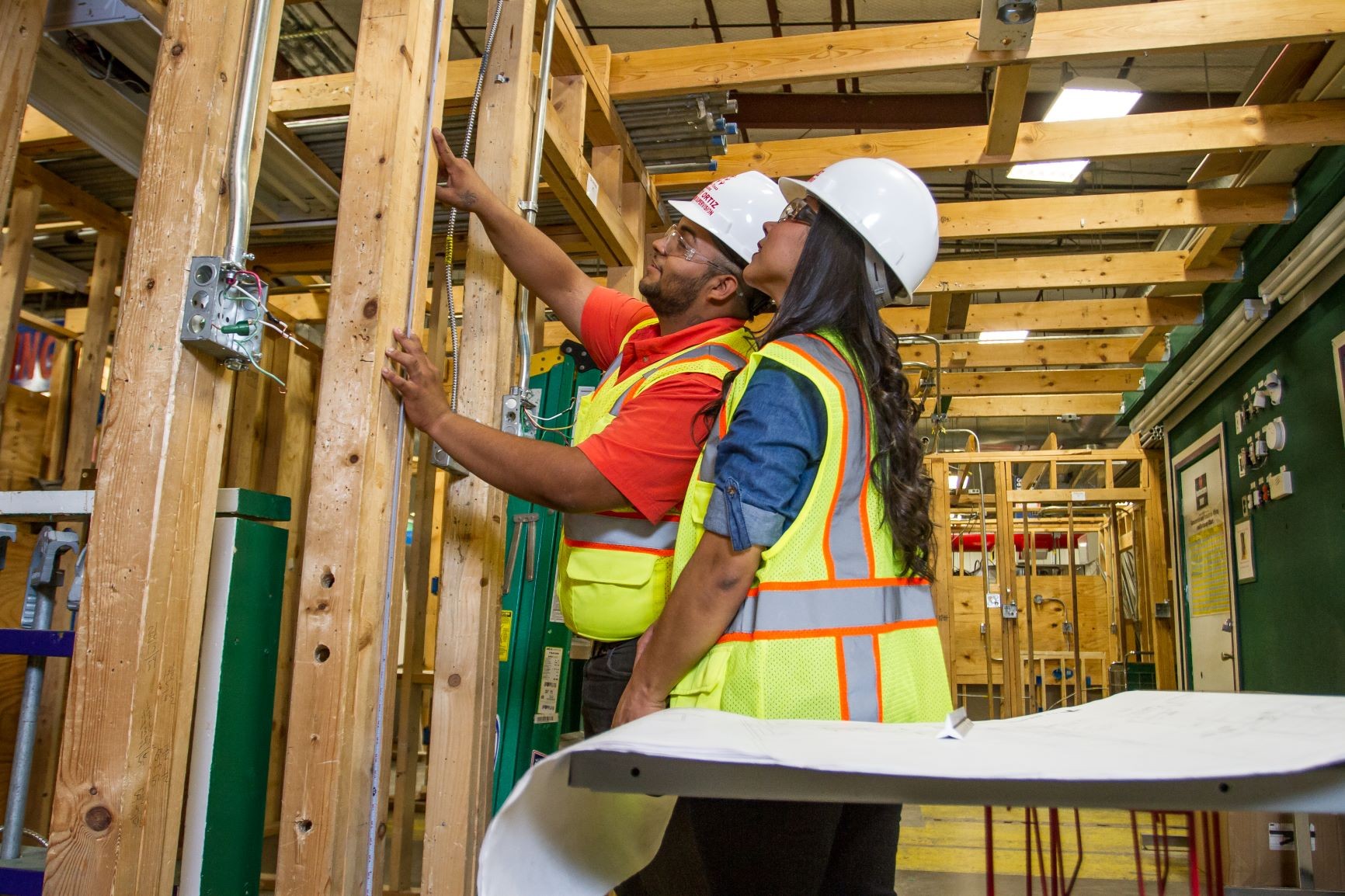
Workforce Development Strategies for the Construction Industry
The construction industry is undergoing significant changes, with technological advancements, labor shortages, and evolving project demands shaping the landscape. For companies to remain competitive, a strong focus on workforce development is critical. workforce development not only ensures that employees possess the necessary skills but also fosters innovation, safety, and efficiency on job sites. In this article, we explore effective workforce development strategies for the construction industry and why they are essential for sustainable growth.
Understanding Workforce Development in Construction
Workforce development refers to initiatives that enhance the skills, knowledge, and capabilities of employees. In the construction industry, this includes training programs, mentorship opportunities, and career advancement paths. Effective workforce development ensures that employees are prepared to meet the demands of complex construction projects, adapt to new technologies, and maintain high standards of safety and quality. Companies that prioritize workforce development experience higher employee retention, better project outcomes, and stronger industry reputations.
The Importance of Workforce Development Strategies
Construction projects require a diverse range of skills, from project management to technical trades. Workforce development strategies help bridge skill gaps, reduce turnover, and improve operational efficiency. Companies that implement workforce development initiatives create a culture of continuous learning, empowering employees to take ownership of their growth. Moreover, workforce development contributes to community engagement, as skilled workers are better positioned to support local infrastructure projects and economic growth.
Key Workforce Development Strategies
Targeted Training Programs
One of the most effective workforce development strategies is implementing targeted training programs. These programs focus on specific skills required in the construction industry, such as welding, electrical work, or project management software. Tailored training ensures employees gain practical knowledge that can be immediately applied on the job. Workforce development programs should be regularly updated to reflect industry trends, regulatory changes, and technological advancements.
Apprenticeship and Mentorship Programs
Apprenticeship and mentorship programs are central to workforce development in construction. Pairing experienced professionals with new employees facilitates knowledge transfer, hands-on learning, and professional growth. These programs strengthen workforce development by providing a structured path for skill acquisition and career advancement. Employees participating in mentorship programs often show increased engagement, job satisfaction, and long-term commitment to the company.
Leveraging Technology in Workforce Development
Technology is transforming workforce development strategies in construction. Digital tools, virtual reality (VR) training, and project management software enhance learning experiences and operational efficiency. For example, VR simulations allow employees to practice complex tasks in a safe environment, reducing errors and workplace accidents. Integrating technology into workforce development initiatives ensures employees stay current with industry innovations and improves overall productivity.
Continuous Assessment and Feedback
Workforce development is an ongoing process that requires continuous assessment and feedback. Regular performance evaluations, skill assessments, and employee feedback sessions help identify areas for improvement and guide professional development plans. A robust workforce development strategy includes measurable goals, progress tracking, and recognition of achievements, ensuring employees remain motivated and engaged in their growth journey.
Promoting Diversity and Inclusion
A comprehensive workforce development strategy also emphasizes diversity and inclusion. Encouraging participation from underrepresented groups strengthens the talent pool and brings fresh perspectives to the construction industry. Workforce development programs should actively address barriers to entry, provide equitable training opportunities, and foster an inclusive culture. This approach not only enhances team performance but also aligns with corporate social responsibility goals.
Career Advancement and Retention
Workforce development strategies must include clear pathways for career advancement. Offering opportunities for promotion, certifications, and leadership roles motivates employees to stay with the company and invest in their skill development. Retention is a critical aspect of workforce development, as experienced workers contribute to higher efficiency, safety, and knowledge retention within the organization.
Collaboration with Educational Institutions
Partnering with local colleges, trade schools, and vocational programs is an effective workforce development strategy. These collaborations provide access to emerging talent, specialized training resources, and research initiatives. Workforce development programs that integrate academic partnerships ensure that the construction industry can continuously attract and develop skilled professionals to meet growing demands.
Safety and Compliance Training
Safety is a core element of workforce development in construction. Implementing comprehensive safety training programs reduces workplace accidents, ensures regulatory compliance, and protects both employees and company assets. Workforce development initiatives should include ongoing safety education, hazard recognition, and emergency response training, creating a culture where safety is a shared responsibility.
Employee Engagement and Motivation
Engaged employees are more likely to embrace workforce development opportunities. Encouraging participation in skill-building workshops, team-building exercises, and professional development seminars strengthens employee commitment and job satisfaction. Workforce development strategies that focus on engagement foster a positive work environment, where employees feel valued and invested in their growth.
Measuring Workforce Development Success
Finally, measuring the effectiveness of workforce development strategies is essential. Companies should track metrics such as skill acquisition, project performance, employee retention, and training completion rates. Continuous evaluation allows organizations to refine their workforce development initiatives, ensuring that they deliver maximum impact and support long-term business objectives.
Conclusion
Workforce development is a cornerstone of success in the construction industry. By implementing targeted training programs, mentorship initiatives, technology integration, and safety-focused education, companies can build a skilled, adaptable, and motivated workforce. Effective workforce development strategies not only enhance operational efficiency and project outcomes but also create a resilient and forward-looking construction workforce. Prioritizing workforce development is no longer optional—it is a strategic imperative for companies seeking sustainable growth and industry leadership.