
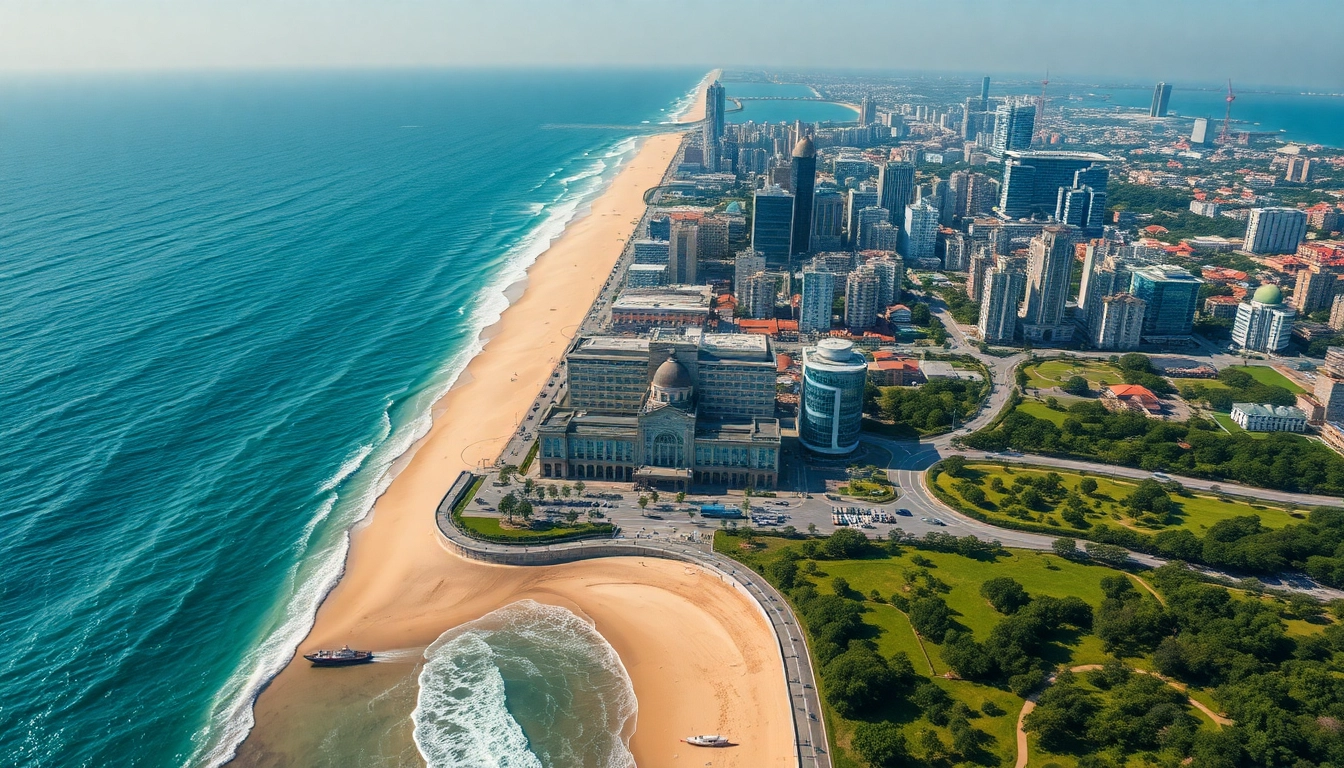
Unveiling Qingdao: A Coastal Gem of China
Introduction to Qingdao
Nestled on the southeastern coast of the Shandong Peninsula, qingdao is a vibrant city known for its rich cultural heritage, stunning coastal landscapes, and the world-renowned Tsingtao beer. This beautiful port city has become increasingly popular among tourists for its picturesque scenery and its historical significance dating back to the days of German colonialism. With its unique blend of Eastern and Western influences, Qingdao stands as a fascinating case study in urban development, tourism, and cultural exchange.
Geographical Overview of Qingdao
Qingdao occupies a strategic location along the Yellow Sea, offering lush landscapes characterized by rolling hills, scenic coastline, and booming urban areas. Covering an area of over 11,000 square kilometers, the city boasts a temperate marine climate influenced by ocean currents, which results in mild winters and warm summers. This geographical positioning not only makes Qingdao a natural hub for maritime activities but also contributes to its picturesque coastal promenades and beaches, attracting tourists from all over the globe.
Cultural Significance of Qingdao
The city’s cultural fabric is woven with influences from various traditions, notably German, due to its history as a colonial city; hence, it is often referred to as the “most German city in China.” Today, visitors can experience a unique blend of German and Chinese architecture, evident in buildings such as the iconic St. Michael’s Cathedral and the charming structures along Zhongshan Road. Additionally, Qingdao hosts numerous festivals throughout the year, contributing to its vibrant cultural scene and showcasing its local arts, music, and cuisine.
Historical Context of Qingdao
Qingdao’s history is marked by its strategic port. Initially a small fishing village, it transformed significantly after the arrival of the Germans in the late 19th century who established it as a treaty port in 1897. During this period, Qingdao flourished economically, becoming a vital naval base. After World War I, the city was handed over to Japan, continuing its evolution under foreign influences. Following the establishment of the People’s Republic of China, Qingdao emerged as a pivotal center for industry, trade, and tourism, solidifying its importance in China’s economic landscape.
Attractions and Landmarks in Qingdao
Must-Visit Sights in Qingdao
Qingdao is home to an array of must-see attractions that cater to various interests. Among the top landmarks is the Tsingtao Beer Museum, located in the original brewery, where visitors can learn about the beer-making process and enjoy tastings. The Laoshan Scenic Area offers striking natural landscapes, highlighted by sacred mountains and tranquil temples. For architecture enthusiasts, a stroll through Badaguan, with its historical villas showcasing European styles, provides a glimpse into the city’s colonial past.
Events and Festivals in Qingdao
Cultural enthusiasts will find a plethora of annual events and festivals in Qingdao. The Qingdao International Beer Festival, held in August, attracts millions of visitors each year, celebrating brews from around the world with music, dancing, and culinary delights. Additionally, the Qingdao International Sailing Week has gained prominence, celebrating the city’s maritime heritage and showcasing sailing competitions, making it a thrilling experience for both participants and spectators.
The Role of Tsingtao Beer in Qingdao’s Culture
Tsingtao beer, a product of the city since the early 20th century, has become a cultural symbol of Qingdao. The brewery’s legacy is deeply intertwined with local identity, influencing events, dining experiences, and social gatherings. The beverage is not only a favored refreshment for locals but also serves as a unique souvenir for visitors, highlighting Qingdao’s significant role in China’s brewing industry.
Experiencing Local Cuisine in Qingdao
Traditional Dishes from Qingdao
Qingdao’s culinary landscape is a delightful representation of Shandong cuisine, characterized by its fresh ingredients and bold flavors. Notable dishes include fried clams with garlic and scallion, which showcase the region’s abundant seafood. Another local specialty, sweet and sour fish, embodies the perfect balance of sweet, tangy, and savory, reflecting the influence of local cooking techniques. Visitors are encouraged to sample these delights at local food markets or street stalls for an authentic experience.
Food Markets and Dining Spots in Qingdao
The city is dotted with bustling food markets that provide visitors a chance to experience its culinary richness firsthand. The Qingdao Seafood Street, lined with vendors selling freshly caught fish, shellfish, and other aquatic delicacies, is a must-visit. For more formal dining, establishments like Haier Seafood City offer a blend of traditional and modern dishes, serving regional specialties in a comfortable setting. Whether indulging in street food or dining at upscale restaurants, Qingdao offers a plethora of options to satiate every palate.
Seafood Delicacies of Qingdao
Being a coastal city, Qingdao is renowned for its seafood. The influence of the sea on local cuisine is evident, with dishes such as grilled squid and stir-fried shrimp adorned with local spices. Diners should not miss out on enjoying the seasonal specialties, including abalone and sea cucumber, often prepared with traditional methods to enhance their natural flavors. Seafood lovers can find head-turning culinary experiences at beachside shacks that serve freshly prepared dishes, highlighting the best of Qingdao’s offerings.
Travel Tips for Visitors to Qingdao
Getting Around in Qingdao
Qingdao is accessible and traveler-friendly, featuring an efficient public transportation network that includes buses and the metro system. Taxis are easily available, and ride-sharing services function well within the city, providing affordable options for getting around. Biking is also a popular way to explore Qingdao’s scenic coastal routes, and local bike-sharing initiatives have made it convenient for both residents and visitors to enjoy the sights at their own pace.
Optimal Visiting Seasons for Qingdao
The best time to visit Qingdao is between May and September when the temperatures are mild, and outdoor activities are easily enjoyed. This period coincides with the city’s vibrant festivals, particularly the International Beer Festival and various sailing events, creating a lively atmosphere for travelers. While winter offers a quieter experience, it is advisable to visit during summer for the full range of activities and events available throughout the city.
Accommodation Options in Qingdao
Qingdao caters to various preferences and budgets when it comes to accommodation. There are luxurious hotels with stunning sea views, boutique hotels that offer a unique local experience, and affordable hostels for budget travelers. Booking in advance, especially during peak tourist seasons, is recommended to secure accommodations that best meet individual needs and ensure a memorable stay.
FAQs about Qingdao
What is the best time to visit Qingdao?
The best time to visit Qingdao is from May to September when the weather is pleasant for outdoor activities and beach visits.
How can I reach Qingdao?
Qingdao can be accessed through its international airport or by high-speed trains from major cities in China.
What are the top attractions in Qingdao?
Top attractions include the Tsingtao Beer Museum, Laoshan Scenic Area, and stunning coastal promenade views.
Is Qingdao famous for anything?
Yes, Qingdao is famous for its history as a German colonial port, beautiful beaches, and world-renowned Tsingtao beer.
What local specialties should I try in Qingdao?
Be sure to try Qingdao’s seafood, local beers, and traditional Shandong cuisine when visiting.