
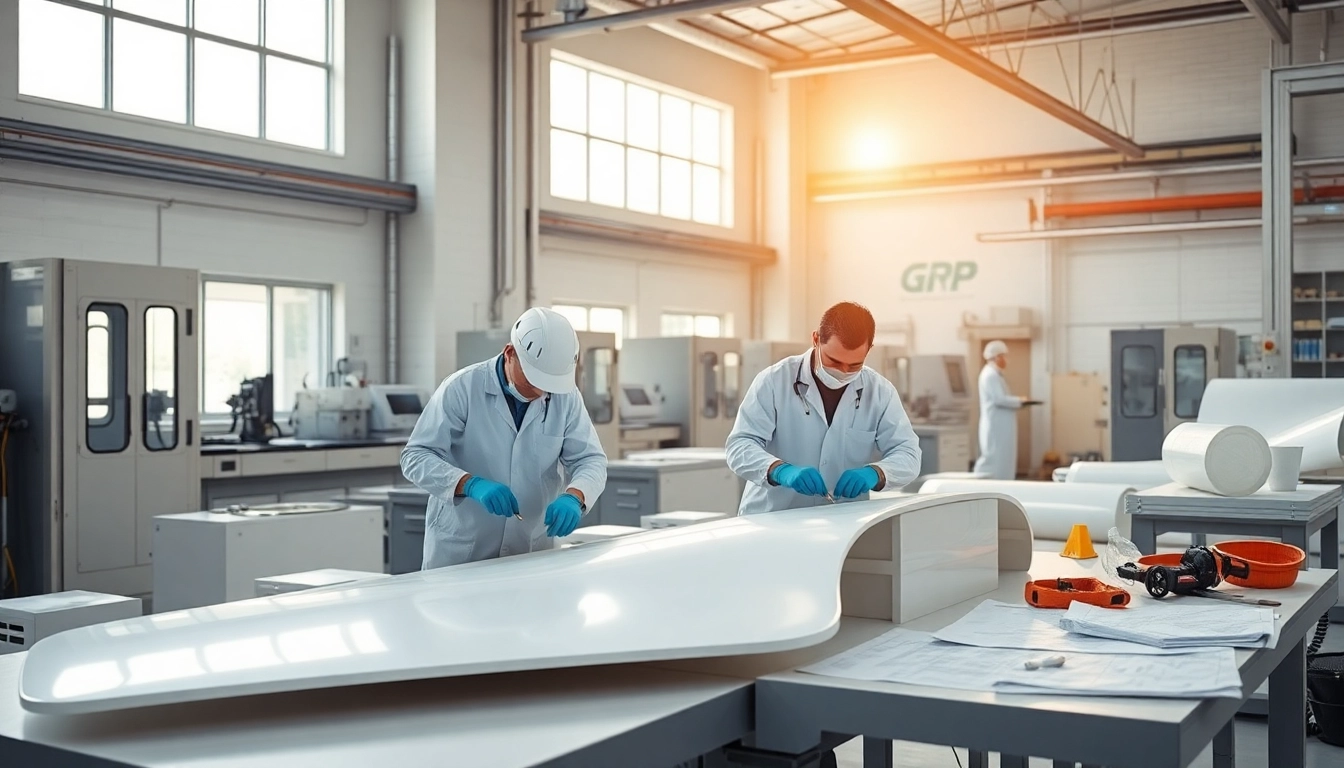
Understanding the Role of GRP Manufacturer in Modern Industry
Introduction to GRP Manufacturer
Glass Reinforced Plastic (GRP) is increasingly recognized as a versatile material, widely used in various sectors due to its unique properties. As the market for composite materials grows, the role of a GRP Manufacturer becomes critical. This article delves deep into what GRP entails, its industrial significance, and how to choose the right manufacturer for your needs.
Defining Glass Reinforced Plastic
Glass Reinforced Plastic, commonly known as fiberglass, is a composite material made of a polymer matrix reinforced with glass fibers. This combination endows GRP with properties like high strength-to-weight ratio, chemical resistance, and excellent thermal properties. The manufacturing process typically involves weaving glass fibers and impregnating them with a resin, curing to form a durable and robust material. Its lightweight nature compared to metals makes it an enjoyable alternative for numerous applications.
Importance in Various Industries
GRP plays an integral role in several industries, including marine, automotive, construction, and aerospace. In the marine sector, it is utilized for boat hulls and components due to its resistance to corrosion and minimal maintenance needs. The automotive industry employs GRP for body panels, as it enhances fuel efficiency through weight reduction. Similarly, in construction, GRP is used for architectural elements and structural components, catering to both functionality and aesthetic appeal.
Common Applications of GRP
Various applications across multiple industries highlight the versatility of GRP. Common uses include:
- Marine Applications: Hulls, decks, and interior components.
- Automotive Components: Lightweight body panels and reinforcement structures.
- Construction Materials: Roof panels, insulation, and façade elements.
- Aerospace Structures: Components that require high strength yet low weight.
- Electrical Insulation: GRP is often used in electrical enclosures and covers.
Benefits of Using a GRP Manufacturer
Enhanced Durability and Strength
The durability of GRP is one of its most significant advantages. It can withstand extreme weather conditions, including heavy rain and high winds, making it ideal for outdoor applications. The glass fibers provide added strength, allowing GRP to maintain its structural integrity under stress. This longevity reduces the frequency of replacements, making it a preferred choice for many industries.
Cost-Effectiveness Over Time
While the initial investment in GRP may be higher than traditional materials, its longevity and low maintenance requirements contribute to a lower total cost of ownership. The reduced need for repairs and replacements combined with energy efficiency results in significant savings over time. Companies investing in GRP typically see a favorable return on investment.
Design Flexibility and Aesthetics
GRP can be easily molded into various shapes and designs, providing unparalleled design flexibility. This characteristic allows manufacturers to create complex geometries that would be difficult or impossible with traditional materials. Moreover, GRP surfaces can be finished in various ways, allowing for customized aesthetics to meet specific branding or architectural requirements.
Choosing the Right GRP Manufacturer
Key Factors to Consider
Choosing a GRP manufacturer involves several factors to ensure quality and reliability. Look for a manufacturer that has:
- Experience: A proven track record in the industry often correlates with quality performance.
- Technology: Advanced manufacturing techniques can indicate better product quality.
- Customization Options: Ability to tailor products to meet specific needs or requirements.
Evaluating Manufacturer Credentials
Check for certifications and memberships in relevant industry organizations. This often signifies adherence to industry standards and quality expectations. Certifications such as ISO 9001 are indicators of a commitment to quality management processes within the manufacturing operation.
Understanding Quality Standards
Quality standards in GRP manufacturing cover aspects like strength, durability, and aesthetic finish. A reputable manufacturer should provide documentation to back up their claims, including test results that validate the performance of their products against applicable industry standards. Ask for warranty information to ensure you’re covered in case of defects.
Innovations in GRP Manufacturing
Emerging Technologies
Innovation in GRP manufacturing is continuously evolving. Techniques such as automated fiber placement and advanced resin infusion methods increase precision and reduce waste. These technologies enhance product consistency and help manufacturers meet increasing demands for high-performance materials.
Sustainability in Composite Production
The push for sustainable practices is impacting GRP manufacturing as well. Efforts include using bio-based resins and recycling glass fibers to reduce environmental footprints. Manufacturers are investing in improving the recyclability of GRP products, aiming for a circular economy where materials can be reused effectively.
Case Studies of Successful Innovations
Several manufacturers have embraced innovative practices to improve products and processes. For example, some companies are employing digital twin technology to simulate manufacturing processes, leading to more efficient production lines and reduced waste. Additionally, case studies show how companies implementing bio-resin systems can offer environmentally friendly alternatives without compromising strength.
FAQs About GRP Manufacturing
What is the lifespan of GRP products?
GRP products typically have a lifespan of 20-30 years, depending on use and environmental conditions. Proper maintenance can extend this further.
Can GRP be recycled?
Yes, GRP can be recycled, although the process is complex. Recent advancements aim to make recycling more feasible and effective.
What industries benefit most from GRP?
The marine, automotive, construction, and aerospace industries benefit significantly due to GRP’s lightweight, durable, and corrosion-resistant properties.
How is GRP produced?
GRP is produced by reinforcing a polymer matrix with glass fibers, followed by curing the mixture to form a strong, durable composite material.
What are the safety measures in GRP manufacturing?
Safety measures include proper ventilation systems to manage fumes, protective gear for workers, and adherence to quality standards to ensure product safety.