
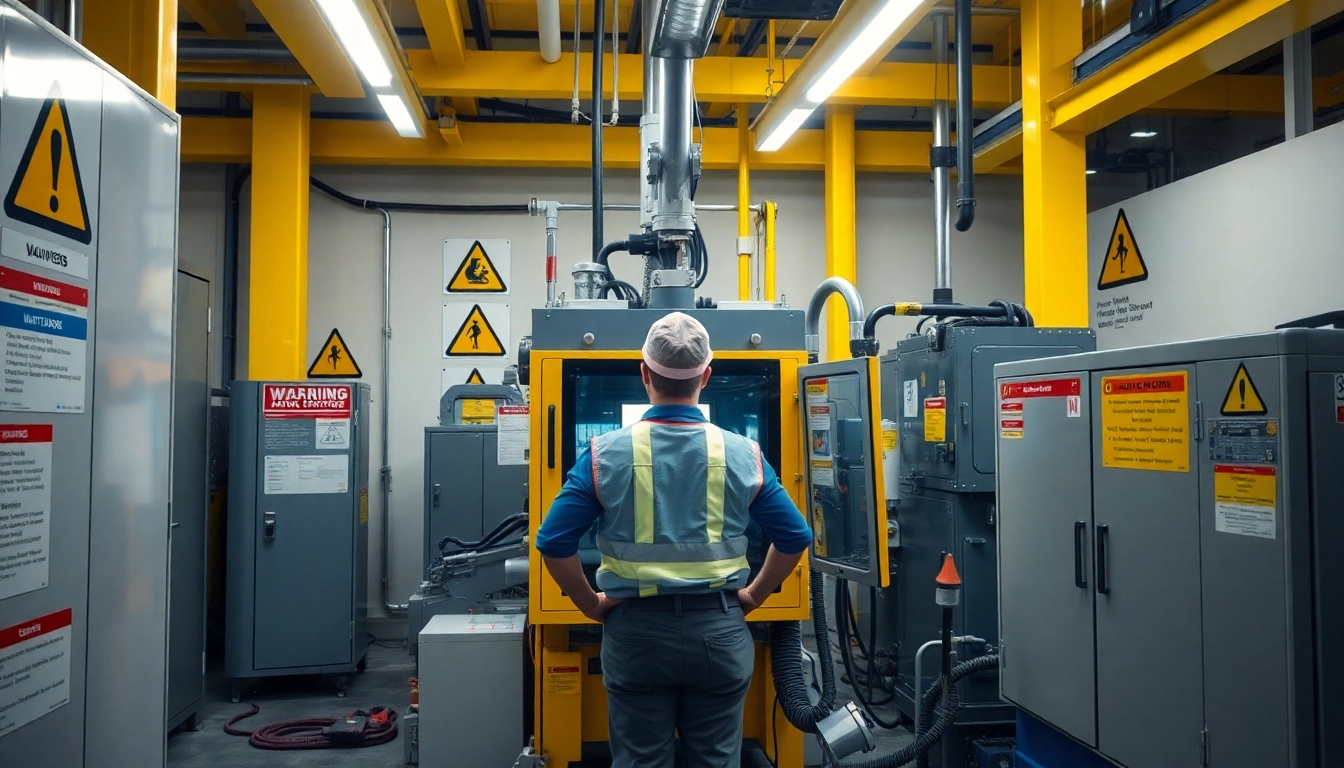
Understanding the Impacts of Physical Hazard in Workplace Safety
Introduction to Physical Hazard
In today’s workplaces, ensuring safety is paramount, and one major concern that employers must address is the physical hazard. These hazards can manifest in various forms and lead to severe injuries if left unaddressed. This article will delve into the meaning of physical hazards, explore the different types present in various environments, assess the associated risks, and outline effective strategies for mitigation.
Defining Physical Hazard
A physical hazard can be defined as any agents, factors, or circumstances within the environment that have the potential to cause harm or injury through direct contact or interaction. These hazards operate primarily through the transfer of energy from the object to humans, resulting in varying degrees of injuries ranging from minor sprains to severe or even fatal injuries. Understanding this concept is crucial for developing strategies to protect individuals in the workplace.
Types of Physical Hazards
Physical hazards can be categorized into various types, including:
- Mechanical Hazards: These involve machinery and tools that can cause injuries such as cuts, crush injuries, or lacerations.
- Electrical Hazards: Risks from electrical shock, equipment failure, and electrocution.
- Thermal Hazards: Burns or scalds from hot surfaces, steam, or flames.
- Radiational Hazards: Exposure to harmful levels of radiations like UV rays or radioactive materials.
Importance of Identifying Physical Hazards
Identifying physical hazards is a critical step in creating a safe working environment. Early detection can prevent accidents, reduce employee injuries, and boost productivity. More importantly, it fosters a culture of safety within the organization, demonstrating a commitment to employee well-being.
Common Examples of Physical Hazard
Mechanical Hazards
Mechanical hazards are prevalent in many workplaces, especially those involving heavy machinery. These hazards can emerge from equipment malfunctions, improper usage, or insufficient guarding mechanisms. For instance, rotating machinery can cause severe injuries without proper safeguards such as guards or emergency stop buttons. Regular maintenance and adherence to operational guidelines are essential in mitigating these risks.
Electrical Hazards
Electrical hazards can be life-threatening and often arise from faulty wiring, overloaded circuits, or improper use of electrical equipment. Employees may suffer electric shocks or burns if they are not adequately trained in electrical safety protocols. Implementing stringent safety measures, including ground-fault circuit interrupters (GFCIs) and regular inspections of electrical systems, can help manage these risks effectively.
Thermal Hazards
Thermal hazards pose significant threats in environments where heat-producing processes occur. Facilities dealing with molten metals, hot surfaces, or steam systems must implement safety measures to prevent heat-related injuries. Employees exposed to such hazards should be provided with adequate personal protective equipment (PPE) and training on safe practices to minimize exposure.
Assessing Risks Associated with Physical Hazard
Risk Assessment Tools and Methods
Conducting a thorough risk assessment is crucial in identifying potential physical hazards in the workplace. Various tools such as checklists, risk matrixes, and safety audits can be used for this purpose. These assessments help prioritize risks and develop effective prevention strategies.
Additionally, engaging the workforce in risk assessment processes can contribute to a more comprehensive understanding of hazards, as employees often have firsthand experience with the risks present in their daily operations.
Developing a Safety Culture
Creating a workplace safety culture is essential for effective hazard management. This involves promoting awareness, accountability, and proper training among employees. Organizations should encourage open communication regarding safety concerns, integrate safety into performance evaluations, and recognize employees who actively contribute to safety improvements.
Legal Responsibilities and Compliance
Employers have a legal responsibility to ensure workplace safety, which includes identifying and mitigating physical hazards. Compliance with regulations from agencies such as OSHA (Occupational Safety and Health Administration) is crucial. Failure to comply can result in costly fines and increased liability. Regular training sessions, safety audits, and documentation of compliance efforts can aid organizations in adhering to these regulations.
Best Practices to Mitigate Physical Hazard
Implementing Effective Safety Protocols
Effective safety protocols should be a cornerstone of any organization’s approach to hazard management. This includes devising and implementing standard operating procedures (SOPs) that outline the safe operation of equipment and potential hazards. Additionally, establishing emergency response plans can prepare employees for unexpected incidents, thereby minimizing injuries and damage.
Training and Education for Employees
Providing ongoing training and education for employees is vital for ensuring they are aware of physical hazards and how to handle them safely. Training should not only cover preventive measures and safety protocols but also address how to respond in case of an incident. Regular training refreshers can help keep safety top-of-mind for employees.
Utilizing Safety Equipment
Employing appropriate safety equipment can significantly reduce the risks associated with physical hazards. This may include PPE such as helmets, goggles, gloves, and high-visibility clothing. Organizations should ensure that safety equipment is well-maintained, easily accessible, and that employees are trained on its use.
Conclusion and Future Considerations
Trends in Workplace Safety
As workplaces evolve, new trends in safety management are emerging. Technologies such as predictive analytics and IoT (Internet of Things) are making it possible to monitor physical hazards in real time. Occupational health and safety machines powered by machine learning can predict potential hazards before they escalate.
Continuous Improvement Strategies
Organizations must adopt a mindset of continuous improvement regarding workplace safety. Regularly reviewing and refining safety protocols based on feedback, incident reports, and new developments in safety technology can enhance protective measures against physical hazards.
FAQs about Physical Hazard Management
What is a physical hazard?
A physical hazard is any agent, factor, or circumstance in the environment that can cause harm through contact, often resulting from energy transfer from the hazard to a person.
What are the different types of physical hazards?
Physical hazards include mechanical, electrical, thermal, and radiation hazards, each posing unique risks and requiring specific management strategies.
How can employers identify physical hazards?
Employers can identify physical hazards through risk assessments, safety audits, and engaging employees in discussions about potential risks in their work environments.
Why is training important for physical hazard management?
Training is essential as it equips employees with knowledge and skills to recognize, avoid, and respond to physical hazards, significantly reducing workplace injuries.
What role does safety equipment play in hazard mitigation?
Safety equipment serves as a protective barrier against physical hazards. Proper use of PPE helps minimize the severity of injuries when accidents occur.