
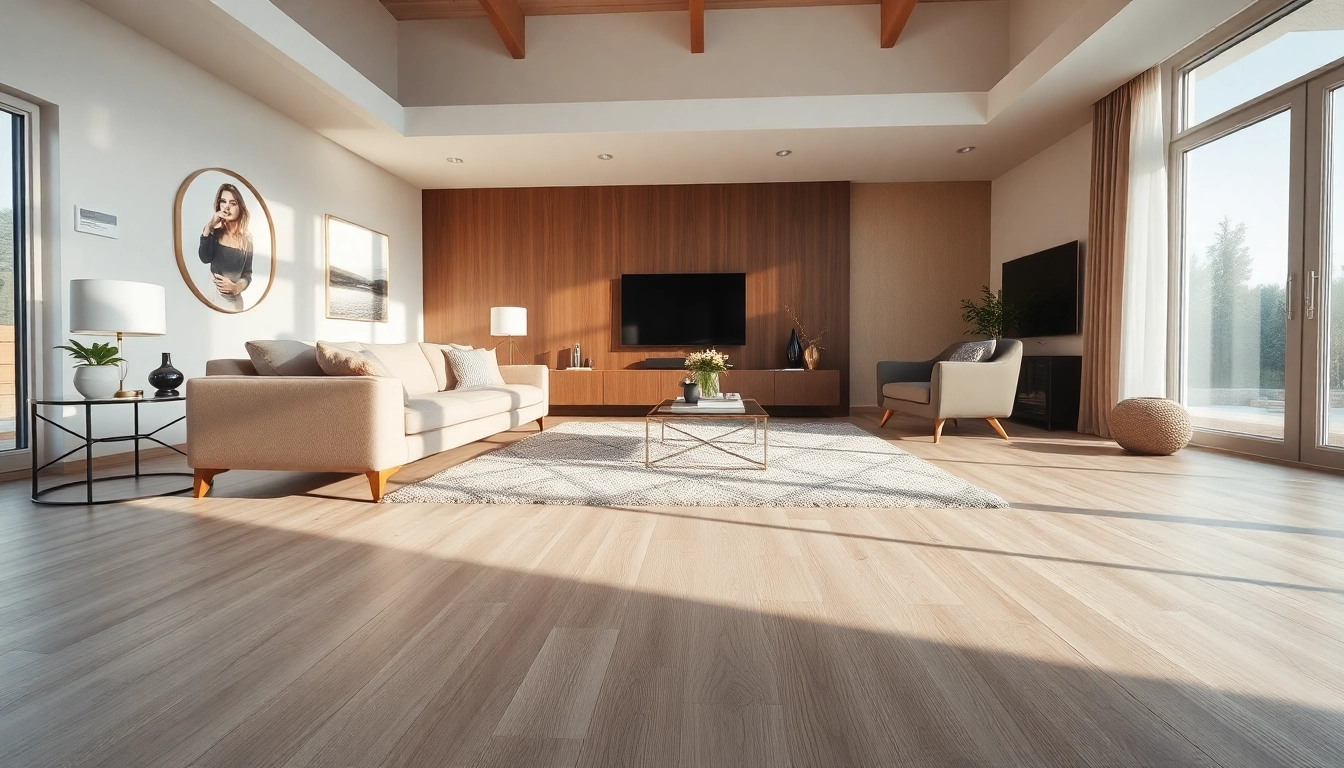
Transform Your Home with Stunning Vinyl Flooring Options
Understanding Vinyl Flooring: Types and Benefits
What is Vinyl Flooring?
Vinyl flooring is a synthetic flooring material composed primarily of polyvinyl chloride (PVC). Known for its versatility and affordability, vinyl is designed to mimic more expensive flooring options like hardwood and natural stone. It is available in various styles, colors, and textures, making it a popular choice among homeowners and designers alike. Its inherent durability and resilience make it suitable for a wide range of applications, whether in residential settings or commercial environments. For many, vinyl flooring offers the perfect blend of style, affordability, and functionality.
Different Types of Vinyl Flooring
There are primarily three types of vinyl flooring: vinyl sheets, vinyl tiles, and luxury vinyl planks (LVP). Each type caters to specific preferences and requirements:
- Vinyl Sheets: Often referred to as sheet vinyl, this type comes in large, continuous rolls. It is an ideal option for spaces with minimal seams, providing a uniform look and excellent water resistance.
- Vinyl Tiles: Vinyl tiles come in individual squares and are available in a variety of designs. They are easy to install and offer the flexibility to replace individual tiles if needed.
- Luxury Vinyl Planks (LVP): Designed to mimic the look of hardwood, LVP is thicker and more durable than standard vinyl. It often features a textured surface for added realism and comfort underfoot.
Benefits of Choosing Vinyl Flooring
Vinyl flooring boasts numerous advantages, making it an appealing choice for many homeowners:
- Durability: Vinyl is resistant to scratches, dents, and stains, making it ideal for high-traffic areas.
- Water Resistance: Many vinyl options are completely waterproof, suitable for kitchens, bathrooms, and basements.
- Easy Maintenance: Cleaning vinyl flooring is a breeze; regular sweeping and occasional mopping are usually sufficient.
- Affordability: Vinyl flooring typically costs much less than hardwood or stone, providing a budget-friendly solution without sacrificing style.
- Comfortable and Quiet: Vinyl flooring provides cushioning underfoot and absorbs sound, creating a comfortable living space.
How to Select the Right Vinyl Flooring for Your Space
Consider Your Room’s Purpose
The first step in selecting the right vinyl flooring is to consider the specific purpose of the room. For instance, high-moisture areas like bathrooms and kitchens would benefit from waterproof options, while living rooms may prioritize aesthetics and comfort. Examining traffic patterns and wear can help determine the best type of vinyl for your space.
Assessing Your Budget and Needs
Before diving into the selection process, it’s essential to define your budget. Vinyl flooring comes in a wide range of prices based on quality, style, and type. Determine what features are most important to you—whether it’s durability, aesthetics, or ease of installation—and align them with your financial framework to make a well-informed decision.
Choosing the Right Style and Design
With countless design options available, choosing the right style for your vinyl flooring can be a daunting task. Consider the existing decor and color scheme of your home. When opting for designs that imitate natural wood or stone, pay attention to textures and finishes that will complement your overall aesthetic.
Installing Vinyl Flooring: A Step-by-Step Guide
Preparing Your Subfloor
Preparing the subfloor is crucial for a successful vinyl flooring installation. Ensure that the surface is clean, dry, and level. Remove any carpeting, padding, or old flooring, and fill in any holes or irregularities with a suitable leveling compound to prevent future issues.
Tools and Materials Needed
Having the right tools and materials on hand can streamline the installation process. You will need:
- Vinyl flooring (sheets, tiles, or planks)
- Utility knife
- Measuring tape
- Ruler or straightedge
- Adhesive (if required)
- Rolling pin or floor roller
- Safety goggles
Installation Techniques and Tips
The installation method varies based on the type of vinyl flooring chosen. For instance, sheet vinyl often requires the use of adhesive, while LVP may click together for a floating installation. A few key tips include:
- Allow the vinyl to acclimate to room temperature before installation to reduce expansion and contraction.
- Be precise with your measurements—mistakes may lead to costly adjustments later on.
- Ensure proper ventilation during installation, especially when using adhesive.
Maintaining Vinyl Flooring: Care Tips and Tricks
Daily Cleaning Routines
Keeping your vinyl flooring in top condition requires a regular cleaning regimen. Sweep or vacuum regularly to remove debris, and damp mop with a gentle, pH-neutral cleaner to maintain shine and cleanliness.
Dealing with Stains and Damage
Accidents happen. For dealing with stains, it’s essential to act quickly. Use a soft cloth and appropriate cleaner to tackle tough stains. For scratches, vinyl’s resilience will often forgive minor blemishes, but deeper scratches can be repaired with patches or filler products designed for vinyl.
Long-term Maintenance Practices
In addition to routine cleaning, investing in area rugs or mats can help reduce wear in high-traffic zones. Avoid harsh chemicals or abrasive tools that could damage the surface. Periodically check for loose areas or seams and address any issues promptly to ensure a long lifespan for your vinyl flooring.
Common Questions About Vinyl Flooring Answered
Is Vinyl Flooring Waterproof?
Many vinyl flooring options are designed to be waterproof, making them suitable for kitchens and bathrooms. However, it’s essential to check product specifications, as not all vinyl is waterproof.
How Long Do Vinyl Floors Last?
With proper care, vinyl flooring can last between 10 to 20 years, and sometimes longer. The longevity depends largely on the quality of the material and maintenance practices.
Can I Install Vinyl Flooring Over Existing Floors?
In most cases, vinyl flooring can be installed over existing floors, provided the surface is level and in good condition. Old carpets or thick flooring may need removal for better results.
How Do I Remove Scratches from Vinyl Flooring?
To remove minor scratches, apply a specific vinyl flooring repair kit or rub the area with a soft cloth and a small amount of mineral oil. For deeper scratches, consider professional repair options.
Is Vinyl Flooring Environmentally Friendly?
While vinyl flooring is not biodegradable, many manufacturers are now producing eco-friendly options. Look for products with low volatile organic compounds (VOCs) and recyclable materials to minimize environmental impact.