
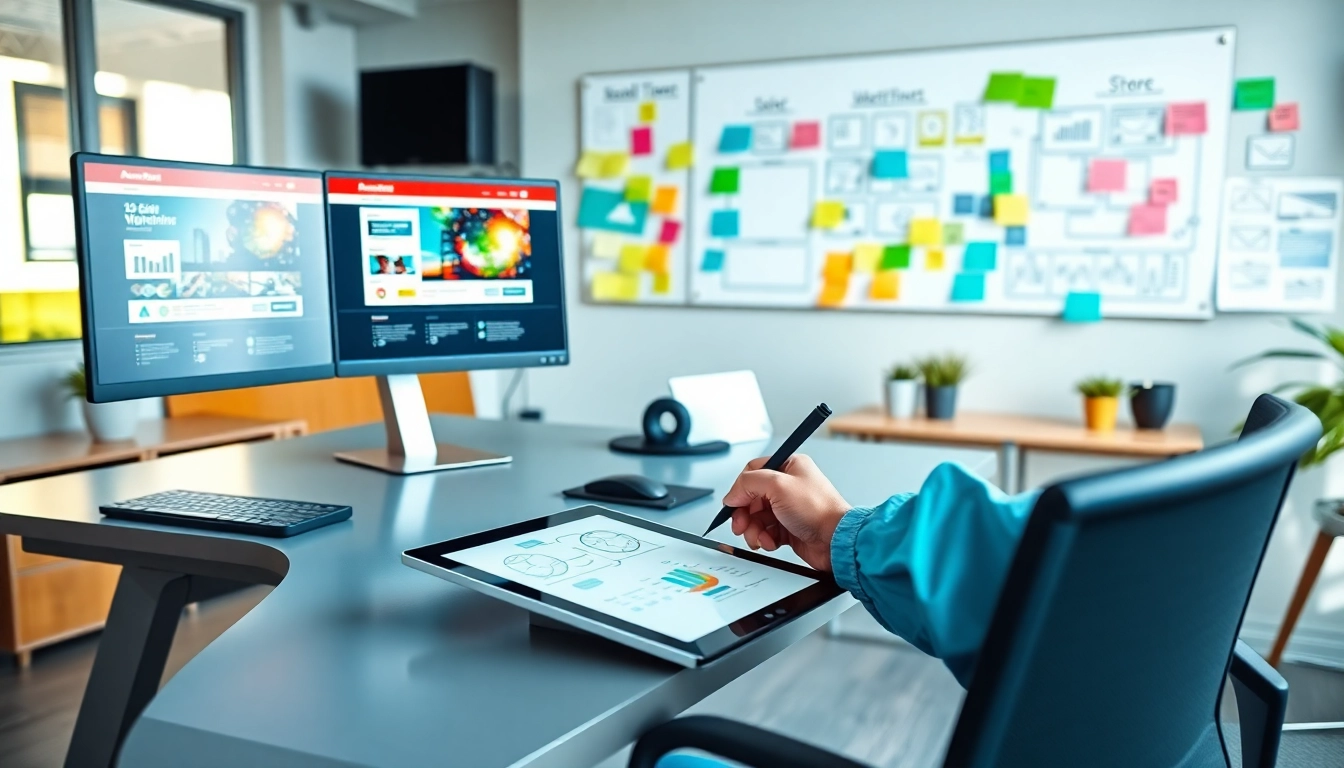
Top Strategies for Choosing the Right Web Design Company
Understanding the Role of a Web Design Company
In today’s digital landscape, having a robust online presence is essential for any business. A web design company specializes in creating and maintaining websites that reflect a brand’s identity while optimizing user experience. They serve various industries and sizes of businesses, providing services that go far beyond simple website creation.
What Do Web Design Companies Offer?
Web design companies offer a plethora of services tailored to meet the diverse needs of their clients. These services often include:
- Website Design and Development: Creating visually appealing and functional websites tailored to the client’s brand.
- Responsive Design: Ensuring that websites are mobile-friendly and accessible across various devices.
- User Experience (UX) Design: Optimizing the navigation and interaction elements to enhance user satisfaction.
- Search Engine Optimization (SEO): Implementing strategies to improve a website’s visibility on search engines.
- Content Management Systems (CMS): Developing user-friendly interfaces that allow clients to manage their content effectively.
- Branding and Graphic Design: Creating cohesive branding elements, including logos, color schemes, and typography.
- E-commerce Solutions: Setting up online stores with payment gateways and inventory management.
- Maintenance and Support: Providing ongoing support to ensure the website runs smoothly and remains updated.
Different Types of Web Design Services
Web design services can be broadly categorized into several types to cater to specific business needs:
- Custom Web Design: Tailored websites built from scratch to cater to unique business requirements.
- Template-Based Design: Utilizing pre-designed templates to build websites more rapidly, ideal for budget-conscious clients.
- Blog and Portfolio Design: Creating visually appealing layouts specifically for bloggers, artists, and creative professionals.
- E-commerce Web Design: Focused on building online stores that facilitate a seamless shopping experience.
- Landing Page Design: Dedicated pages designed to drive conversions for specific campaigns or products.
The Importance of Web Design for Your Brand
The quality of your website serves as a virtual storefront, reflecting your brand’s credibility and professionalism. Effective web design is crucial for:
- First Impressions: A well-designed website creates a positive first impression and can help build trust with potential customers.
- Brand Recognition: Consistent branding elements across your website can enhance recognition and make your brand memorable.
- User Retention: An intuitive and engaging design encourages visitors to stay longer, thus increasing the chances of conversion.
- Competitive Advantage: A standout web design can differentiate your brand from competitors and attract more traffic.
How to Evaluate Web Design Companies
Choosing the right web design company is a critical decision that can impact your business’s online success. Here are key factors to consider when evaluating potential companies:
Key Factors to Consider When Choosing
When assessing a web design company, consider the following:
- Experience: Look for companies with a proven track record and experience in your industry.
- Specialization: Ensure the company’s expertise aligns with the type of web design you need.
- Pricing Structure: Understand their pricing models, whether they charge a fixed rate, hourly, or project-based fees.
- Technical Proficiency: Ensure they are well-versed in the latest web technologies and best practices.
- Customer Support: Choose a company that provides ongoing support post-launch, addressing any issues that may arise.
Checking Portfolios and Past Work
Reviewing a prospective web design company’s portfolio can provide insights into their capabilities and style. Pay attention to:
- Diversity of Projects: A varied portfolio indicates versatility and can show how they adapt to different client needs.
- Quality of Design: Look for aesthetically pleasing, functional, and user-friendly designs.
- Case Studies: Detailed case studies can reveal the design process, challenges faced, and solutions implemented.
Client Testimonials and Reviews
Client feedback is invaluable when assessing a web design company. Consider:
- Ratings and Reviews: Look for feedback on platforms like Google or Yelp to gauge overall satisfaction.
- Direct Testimonials: Request interviews or feedback from previous clients to understand their experiences.
- Repeat Business: Companies that have a loyal clientele often indicate reliability and quality service.
Common Challenges in Web Design
While web design can yield significant benefits, various challenges can arise during the process. Here are some common hurdles and how to navigate them:
Bottlenecks in the Design Process
Delays can occur due to miscommunications or unrealistic timelines. To overcome this,:
- Set Milestones: Define clear project milestones to track progress and address potential delays early.
- Frequent Check-ins: Maintain regular communication between stakeholders and the design team to ensure everyone is on the same page.
Balancing Aesthetics and Functionality
Striking the right balance between a visually appealing design and a functional one is essential:
- Prioritize Functionality: Always prioritize an intuitive user experience over overly complex designs.
- Prototype Testing: Conduct A/B testing or usability tests on prototypes to gauge user interactions.
Navigating Budget Constraints
Remaining within budget while achieving desired outcomes is a common challenge:
- Prioritize Features: Identify must-have features versus those that are nice-to-have to optimize budget allocation.
- Consider Phased Development: Roll out the site in phases to spread costs over time while maintaining core functionalities.
Best Practices for Effective Collaboration
Successful web design projects rely heavily on effective collaboration between the client and the design company. Here are some best practices to foster good collaboration:
Setting Clear Expectations
Both parties should clarify roles, responsibilities, and project timelines from the outset. Consider:
- Detailed Briefs: Provide a comprehensive project brief that outlines objectives, preferred design styles, and functional requirements.
- Document Everything: Written agreements help ensure all details are understood clearly and can be referenced later.
Maintaining Open Communication
Establishing transparent channels of communication is vital for project success. Key strategies include:
- Regular Updates: Schedule frequent meetings or updates to discuss progress and any arising issues.
- Feedback Mechanisms: Set up a structured way to provide feedback, ensuring it is constructive and solution-oriented.
Feedback Loops and Iterations
Feedback should be considered an essential part of the design process. Implement effective strategies such as:
- Iterative Design: Foster a design process that includes rounds of revisions based on user feedback and testing.
- User Feedback Sessions: Involve end-users in feedback sessions to gain real insights into their experiences with the design.
Measuring Success in Web Design Projects
Successful web designs are validated by measurable outcomes. Here are essential metrics to track performance:
Key Performance Indicators (KPIs) to Track
Establishing KPIs will allow you to measure your website’s performance effectively. Key metrics include:
- Conversion Rates: Track how many visitors complete desired actions (e.g., filling out forms, making purchases).
- Bounce Rates: A high bounce rate may indicate issues with design or user experience that need addressing.
- Traffic Sources: Understand where your visitors are coming from to focus marketing efforts effectively.
Analyzing User Experience Metrics
User experience (UX) metrics provide insights into how visitors interact with your site. Important metrics include:
- Session Duration: Longer session durations may indicate a more engaging design.
- Page Views Per Visit: This metric helps assess how well your content keeps users engaged.
- User Feedback: Surveys or user testing results can reveal pain points and areas for improvement.
Continuous Improvement Strategies
Web design is not a one-and-done process; it requires continuous improvement:
- Regular Updates: Keep your site content fresh and relevant by routinely updating design elements and functionalities.
- Ongoing User Testing: Conduct user tests periodically to learn about user preferences and trends.
Frequently Asked Questions
1. What services should I expect from a web design company?
A web design company typically offers services including website design, user experience (UX) design, mobile responsiveness, SEO, and ongoing maintenance.
2. How long does it take to build a website?
The timeline for building a website varies, but it typically takes anywhere from a few weeks to several months, depending on complexity and client requirements.
3. How much should I budget for a website?
Website costs can range significantly, from a few hundred to several thousand dollars, depending on factors like design complexity, features, and the web design company you choose.
4. Is a mobile-friendly design necessary?
Yes, a mobile-friendly design is essential as a significant portion of web traffic comes from mobile devices, and it impacts SEO rankings.
5. Can I update my website after launch?
Yes, most web design companies provide content management systems (CMS) that allow you to update your website easily after launch.