
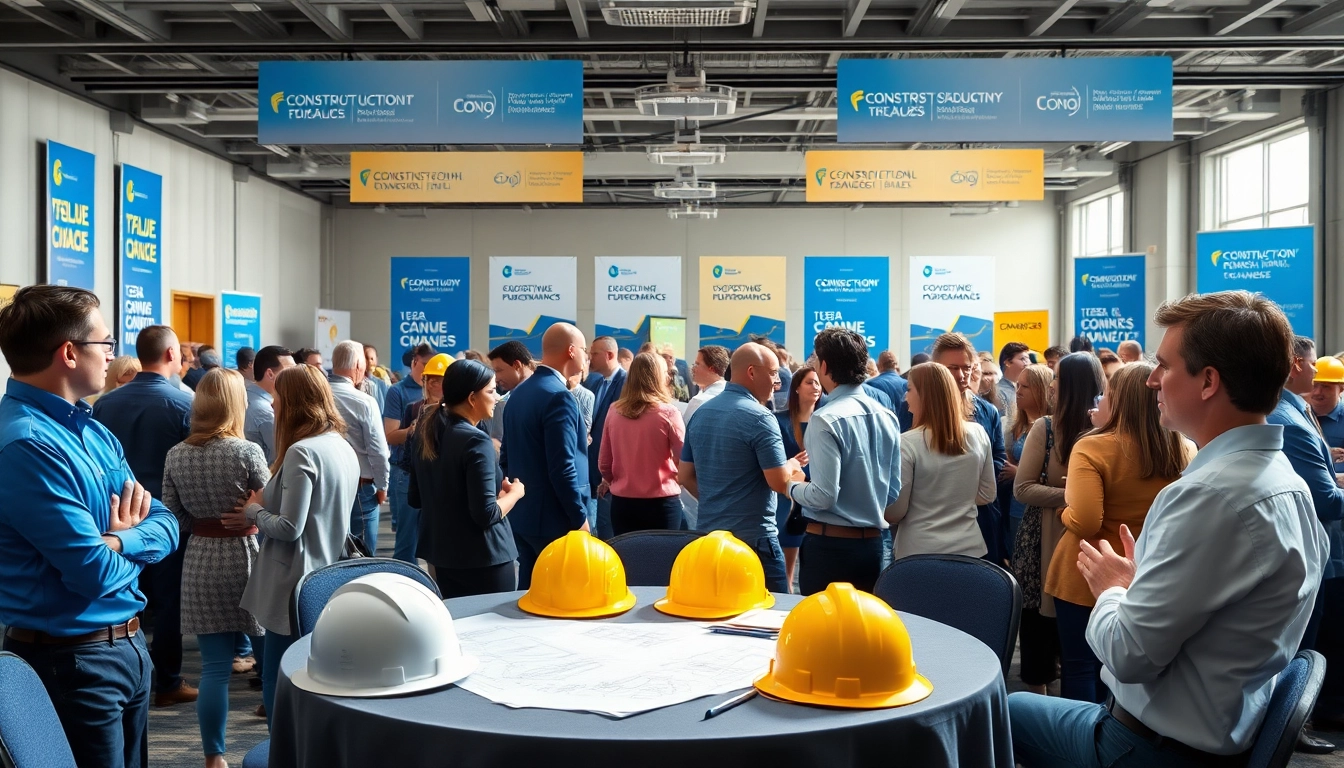
Maximizing Opportunities in Construction Networking for Industry Growth
Introduction to Construction Networking
Understanding Construction Networking
Construction networking is an essential aspect of the construction industry that involves building relationships with individuals and organizations. It encompasses a wide range of practices aimed at fostering connections that can lead to collaboration, sharing of resources, and ultimately, business growth. In this dynamic field, effective networking can provide significant advantages, such as access to valuable information, potential partnerships, and opportunities for career advancement.
Importance of Networking in Construction
Networking in construction goes beyond mere socializing; it’s a strategic tool that aids in overcoming industry challenges and navigating a competitive landscape. For industry professionals, a robust network can lead to new projects and clients. According to studies, a majority of construction contracts are awarded based on personal connections rather than formal bids. Consequently, engaging in construction networking is not just beneficial but essential for long-term success in this field.
Common Misconceptions
Many professionals misinterpret networking as a superficial activity primarily focused on exchanging business cards. However, true networking is about cultivating meaningful relationships. Another misconception is that networking is only for job seekers or those in sales. In reality, everyone in the construction industry can benefit, from engineers to project managers and contractors, by exchanging ideas and resources to enhance overall competencies.
Building Your Network
Identifying Key Players
To build a successful network, it’s vital to identify key players in your niche. This can include colleagues, industry leaders, potential clients, suppliers, and even competitors. Researching local construction associations and online forums related to the industry can yield valuable insights into prominent figures and organizations worth connecting with.
Strategies for Effective Networking
Engaging in effective networking requires a strategic approach. Start by setting clear goals: determine what you hope to achieve from your networking efforts, be it finding a mentor, landing a new project, or learning about industry trends. Attend trade shows, workshops, and local meetings to meet potential contacts. When meeting new people, be approachable and show genuine interest in their work. Follow the principle of reciprocity—be willing to offer your assistance or knowledge to others as well.
Utilizing Social Media Platforms
In today’s digital age, social media platforms can dramatically enhance your networking capabilities. LinkedIn, for example, is an invaluable tool for professionals in the construction industry. You can showcase your investments in skill development while connecting with other professionals. Regularly share industry articles or insights, engage with content posted by your contacts, and participate in group discussions to expand your visibility and reach.
Networking Events and Conferences
Types of Construction Networking Events
Various types of events cater specifically to construction networking. These include trade shows, expos, seminars, and industry-specific conferences. Each type of event caters to different networking needs: trade shows showcase new products and technologies, while seminars provide insights into best practices and trends. For instance, regional construction expos can offer networking opportunities with local contractors and suppliers.
Preparing for Networking Events
Preparation is key to maximizing the benefits of networking events. Before attending, research the event agenda and identify speakers and attendees of interest. Prepare questions or topics of conversation to feel more at ease. Practicing your personal pitch can enhance your confidence when introducing yourself to new people. Bring plenty of business cards, but remember that the goal is to build relationships, not to collect cards.
Maximizing Event Attendance
Once at the event, leverage every opportunity to engage with others. Attend breakout sessions that interest you and participate actively in discussions. Follow up with individuals you meet during the event through LinkedIn or email. Be sure to express gratitude for conversations and offer insights that reinforce your professionalism and commitment to nurturing your connections.
Building Lasting Relationships
Maintaining Connections Post-Event
Building a network is only the first step; maintaining those relationships is critical. Create a system for keeping track of your contacts and their details. Regular follow-ups through emails or messages can keep the connection alive. Share relevant industry news or invite them to future events to stay on their radar and reinforce your relationship.
Leveraging Follow-Ups Effectively
Follow-ups are vital after networking events. A well-timed follow-up can solidify the connection. Within a few days post-event, send a personalized email recalling a specific detail from your conversation. This shows that you value your interaction and reinforces your sincerity. Offer assistance or a relevant article that might be of interest to them, highlighting your commitment to mutual professional growth.
Creating a Value-Driven Network
To build a strong network, focus on creating a value-driven environment. This means encouraging mutual support and resource sharing among your contacts. Organize informal meet-ups or online webinars where professionals can share expertise. The more value you provide to your network, the stronger those relationships will become, fostering a supportive community that can benefit all members.
Measuring Networking Success
Key Metrics to Evaluate Networking Efforts
Measuring the success of your networking efforts can be challenging but essential. Key metrics may include the number of new contacts made, referrals received, or projects initiated as a result of connections. Consider conducting surveys or informal polls among your network to gather feedback on how relationships have evolved, which can provide valuable insights for refining your networking strategies.
Adjusting Strategies Based on Outcomes
As you evaluate your networking effectiveness, be prepared to adjust your strategies accordingly. If certain events yield better connections than others, prioritize these in the future. If specific outreach methods are ineffective, explore new platforms or formats for engagement. Continuous refinement allows you to enhance your networking efforts sustainably.
Examples of Successful Networking
Illustrating successful networking scenarios can provide inspiration. For example, a contractor who regularly attends local trade shows established a strong partnership with a materials supplier, leading to exclusive pricing and consistent projects. Another case is an engineer who, through LinkedIn, was able to collaborate with a recently established startup, thus expanding their project portfolio significantly. Such examples underline the tangible benefits achievable through effective networking in construction.
Frequently Asked Questions
What is construction networking?
Construction networking involves creating and nurturing professional relationships within the construction industry to facilitate collaboration and business growth.
Why is networking important in construction?
Networking opens doors to new projects, partnerships, information, and industry best practices, boosting professional growth and opportunities.
How can I identify key players in the industry?
Research local associations, attend industry events, and engage on social media platforms like LinkedIn to find influential figures in construction.
What types of events should I attend for networking?
Consider attending trade shows, conferences, seminars, and local industry meet-ups to connect with potential contacts and learn about new trends.
How do I maintain connections after an event?
Follow up with personalized messages shortly after the event, share relevant resources, and invite your contacts to engage in future events or discussions.