Understanding the Importance of Mock Interviews
In the competitive landscape of job searching, standing out during the interview process is crucial. One way to sharpen your skills and boost your confidence is through Mock Interviews. These simulated interviews allow candidates to practice their interviewing techniques in a pressure-free environment while receiving meaningful feedback.
What Are Mock Interviews?
A mock interview is a simulated job interview that mimics a real-life interview experience, allowing candidates to rehearse their responses to job-related questions. These sessions can be conducted one-on-one with a career coach or in a group setting among peers. The primary goal is to help candidates improve their performance and increase their chances of success in actual interviews.
Why Mock Interviews Matter for Job Seekers
Mock interviews offer several advantages for job seekers. First and foremost, they provide an opportunity to practice and refine answers to common interview questions, which can be essential for managing anxiety and improving performance. Additionally, they help candidates become familiar with the interview process itself, which can often be daunting. Furthermore, mock interviews can highlight areas of strength and those needing improvement, enabling candidates to focus on specific skills before facing real hiring managers.
Common Myths About Mock Interviews
Despite their benefits, misconceptions about mock interviews may deter some candidates from participating. For example, some believe that mock interviews are only for inexperienced professionals or recent graduates, but they can be invaluable for anyone, regardless of career stage. Additionally, others think that mock interviews are too formal and not reflective of real situations, but with the right approach, these simulations can accurately represent the interview environment.
Types of Mock Interviews You Can Participate In
One-on-One Mock Interview Formats
One-on-one mock interviews typically involve an interviewee and a trained interviewer. This format allows for personalized feedback and coaching based on specific responses. Candidates can gain insights into body language, vocal tone, and other non-verbal cues that might affect how their answers are perceived.
Group Mock Interview Sessions
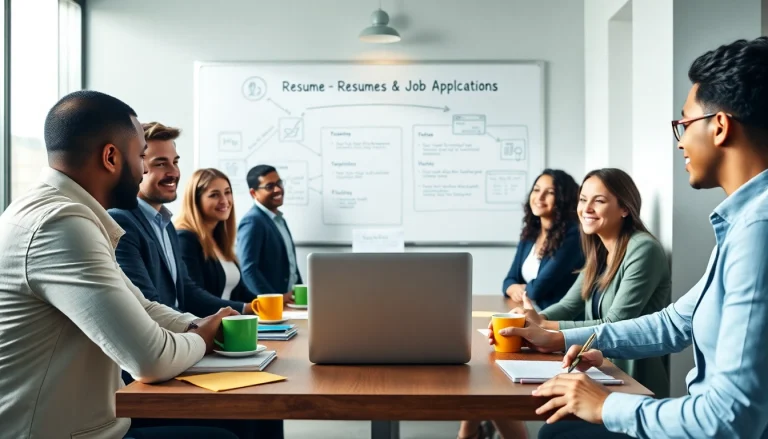
Group mock interviews involve multiple candidates who take turns interviewing each other. This approach fosters a collaborative atmosphere where participants can learn from one another’s strengths and mistakes. Additionally, it often leads to more diverse feedback, as various perspectives can highlight unique aspects of each candidate's performance.
Online vs. In-Person Mock Interviews
With the rise of remote work, online mock interviews have become increasingly popular. Conducted via video conferencing tools, they provide flexibility and convenience for candidates and interviewers alike. However, in-person interviews can offer a more authentic experience, helping candidates fine-tune their interpersonal skills. Depending on individual preferences and availability, both formats can be equally effective when executed correctly.
How to Prepare for a Mock Interview Effectively
Researching Potential Interview Questions
Preparation is key to a successful mock interview. Start by researching common interview questions relevant to the position you are applying for. Websites like Glassdoor and Indeed can provide insights into typical queries associated with various companies and roles. Understanding the nature of these questions will help you craft thoughtful, tailored responses.
Practicing Your Responses
Once you have identified potential questions, practice your answers aloud. Aim to articulate your responses clearly and concisely, ensuring they reflect both your skills and experiences. Recording yourself can be a helpful technique, as it allows you to review your performance and identify areas for improvement.
Setting Up a Realistic Interview Environment
To simulate a genuine interview experience, consider your environment. Find a quiet space with minimal distractions, dress professionally, and use appropriate technology if conducting an online mock interview. The more closely you replicate a real interview setting, the more confident you will feel during the actual process.
What to Expect During a Mock Interview
Typical Structure of a Mock Interview
A mock interview typically starts with a brief introduction, where you will be asked to introduce yourself and summarize your background. The interviewer will then pose a series of questions, similar to those you would encounter in an actual interview, followed by a closing segment where you can ask questions of your own.
Receiving Feedback After the Interview
After the mock interview concludes, feedback is crucial. This may include comments on your answers, body language, and overall presentation. Effective feedback highlights both strengths and areas for improvement, which can guide your preparation moving forward. Constructive criticism is intended to foster growth, so be open to the insights provided.
Common Interview Mistakes to Avoid
During mock interviews, candidates can fall prey to common pitfalls. These often include poor eye contact, speaking too quickly, or failing to adequately showcase relevant experiences. By being conscious of these mistakes and working to rectify them during practice, you can present yourself more confidently in actual interviews.
Maximizing the Benefits of Mock Interviews for Job Success
Tracking Your Progress and Improvement
One of the most effective ways to enhance your interview skills is by tracking your progress. After participating in several mock interviews, maintain a record of feedback and adjustments you've made to your approach. This reflective practice can help you identify trends in your performance and areas that need further development.
Incorporating Feedback into Your Real Interviews
As you receive feedback from mock interviews, develop a strategy to incorporate this constructive criticism into your real interviews. Practice adjusting your responses and body language accordingly. Applying these lessons in real-time will improve your overall interview performance and increase your chances of landing the job.
Using Mock Interviews as a Networking Tool
Engaging in mock interviews can also serve as a valuable networking opportunity. Meeting with experienced interviewers can lead to connections in your industry. Additionally, participating in group sessions allows you to build rapport with peers, who may have insights or connections that could assist you in your job search.
Conclusion
Overall, mock interviews are an invaluable resource for anyone looking to enhance their job interview skills. By understanding the importance of mock interviews, selecting the right type for your needs, and utilizing best practices in preparation, you can significantly boost your confidence and effectiveness during real interviews. Embrace the experience, seek feedback, and watch as your interviewing prowess flourishes.