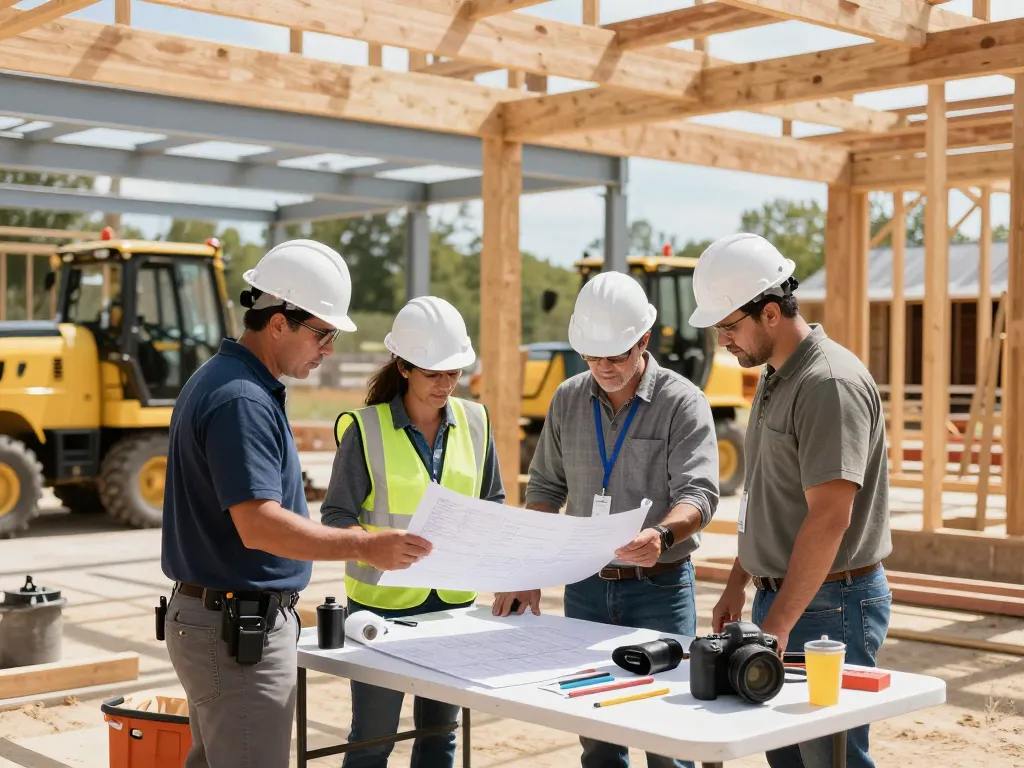
Understanding Construction Safety Training
What is Construction Safety Training?
Construction safety training is a specialized program designed to impart knowledge and skills necessary for maintaining a safe working environment on construction sites. This training involves educating workers on safety regulations, hazard identification, and the proper use of safety equipment. Its aim is to mitigate risks associated with construction activities, ultimately fostering a culture of safety that prioritizes the well-being of all personnel involved.
Importance of Construction Safety Training
The significance of construction safety training cannot be overstated. Every year, construction-related accidents claim the lives of many workers and cause countless injuries. Training equips workers with the understanding and skills needed to recognize potential hazards, assess risks, and implement effective safety measures. Furthermore, organizations that prioritize safety through proper training often see reduced injury rates and increased productivity, leading to lower costs and improved employee morale. Investing in construction safety training is not just a legal obligation but also a business imperative that translates into long-term benefits.
Key Components of Effective Training Programs
An effective construction safety training program typically includes several key components:
- Risk Assessment: Training should start with identifying common hazards on worksites, such as falls, electrical hazards, and equipment-related incidents.
- Safety Protocols: Clearly defined safety procedures that align with industry standards, including OSHA guidelines, should be part of the curriculum.
- Hands-On Practice: Practical demonstrations and hands-on exercises ensure that workers can apply safety techniques in real-life situations.
- Evaluation: Regular assessments and feedback help in understanding the retention of knowledge and areas needing improvement.
Common Hazards in Construction and Safety Measures
Identifying Common Construction Hazards
Common construction hazards can be categorized into several groups. These include:
- Falls: Often regarded as the leading cause of fatalities in construction, falls can occur from ladders, scaffolding, or uneven surfaces.
- Electrocutions: When working with electrical systems, improper handling may lead to severe injuries or fatalities.
- Struck-by Objects: Loose materials, tools, or machinery can pose a significant risk if not secured properly.
- Confined Spaces: Working in narrow or enclosed areas can lead to suffocation, falls, or exposure to toxic substances.
Regulatory Requirements for Construction Safety
Adhering to safety regulations is critical in the construction industry. Regulatory bodies such as the Occupational Safety and Health Administration (OSHA) provide guidelines and standards that organizations must follow to ensure worker safety. For instance, OSHA mandates specific training for equipment operators, as well as guidelines for proper fall protection and personal protective equipment (PPE). Compliance with these regulations not only protects workers but also shields companies from legal liabilities and potential fines.
Best Practices for Hazard Prevention
To effectively prevent hazards on construction sites, organizations should implement the following best practices:
- Regular Safety Inspections: Frequent evaluations of the worksite to identify and mitigate potential risks.
- Safety Gear Implementation: Provision and enforcement of appropriate safety gear, including helmets, gloves, and goggles.
- Emergency Preparedness: Establishing and practicing emergency response plans for various scenarios, including accidents and natural disasters.
- Continuous Training: Providing ongoing safety training and refreshers to ensure all workers are up to date with safety protocols.
Types of Construction Safety Training Available
Overview of Online Training Options
With the rise of technology, online construction safety training has gained popularity, offering flexibility and accessibility. Online platforms provide various courses covering topics from basic safety to complex hazard management, allowing workers to train at their own pace. Many online courses also include interactive elements and assessments to enhance learning retention.
On-Site vs. Classroom Training
Construction safety training can be delivered through two primary methods: on-site and classroom training. On-site training offers a practical approach, allowing workers to engage directly with tools and equipment in their working environment. Conversely, classroom training is beneficial for theoretical learning, often facilitated by experienced instructors. A blended approach that combines both methods can deliver optimal results, catering to different learning styles and maximizing knowledge absorption.
Certification Programs and Their Benefits
Certification programs in construction safety are designed to validate a worker's knowledge and competence in safety practices. Programs such as OSHA 10-hour and 30-hour courses, as well as specialized certifications like the Construction Safety Management Certificate, provide rigorous training options for workers at all levels. These certifications can enhance a worker's resume, lead to better job prospects, and potentially increase earning potential. Companies benefit through reduced accidents, as certified workers bring improved skills and awareness to the job site.
Implementing Construction Safety Training in Your Organization
Steps to Create a Training Program
Creating an effective construction safety training program involves several strategic steps:
- Assess Training Needs: Evaluate current safety practices, identify gaps in knowledge, and define training objectives.
- Develop Training Materials: Create or procure quality training resources, including lesson plans, presentations, and training manuals.
- Engage Qualified Instructors: Utilize experienced trainers who can effectively convey safety concepts and practices.
- Implement Training: Roll out the training program using a combination of teaching methodologies suitable for various learning styles.
- Monitor and Improve: Collect feedback and performance data to continually refine and enhance the training program.
Employee Engagement Strategies in Safety Training
Engaging employees in safety training can significantly enhance its effectiveness. Strategies include:
- Incentive Programs: Offering rewards for safe practices can motivate workers to adhere to safety protocols.
- Interactive Learning: Incorporating simulations and role-playing activities can help workers practice safety measures in real-life scenarios.
- Feedback Channels: Encouraging open dialogue about safety concerns empowers workers to take ownership of their safety.
- Safety Committees: Involving employees in safety committees fosters their involvement in developing safety policies and practices.
Measuring Training Effectiveness
Evaluating the effectiveness of construction safety training is essential to ensure it meets its objectives. This can be done through various measurement techniques:
- Pre- and Post-Training Assessments: Testing knowledge before and after the training to measure retention and understanding.
- Incident Tracking: Monitoring accident reports and near misses to identify trends in safety performance following the training.
- Surveys and Feedback Forms: Collecting participant feedback to gauge their perception of the training's relevance and effectiveness.
- Return on Investment (ROI): Calculating cost savings from reduced incidents or injuries can demonstrate the financial impact of safety training.
Future Trends in Construction Safety Training
The Role of Technology in Training
As technology continues to evolve, its role in construction safety training is becoming increasingly significant. Virtual reality (VR) and augmented reality (AR) are emerging tools used to provide immersive training experiences that simulate real-world scenarios without the risks associated with hands-on training. These technologies can enhance understanding and retention by allowing workers to practice safety measures in a controlled environment.
Adaptive Learning and Personalized Training Approaches
Another future trend is the shift towards adaptive learning strategies that tailor the training experience to individual needs and abilities. By leveraging data analytics, organizations can track worker performance and adjust training content accordingly. This personalized approach helps ensure that all employees receive the appropriate level of training, making safety training more effective and relevant.
Integrating Safety Culture into the Workplace
Finally, fostering a company-wide safety culture is crucial for the long-term success of construction safety training initiatives. A strong safety culture is characterized by shared values and beliefs that prioritize safety at every level of the organization. This can be achieved through continuous training, leadership involvement, and a commitment to transparent communication about safety issues. When safety becomes ingrained in the company’s ethos, it not only enhances compliance but also cultivates an environment where employees feel valued and protected.