
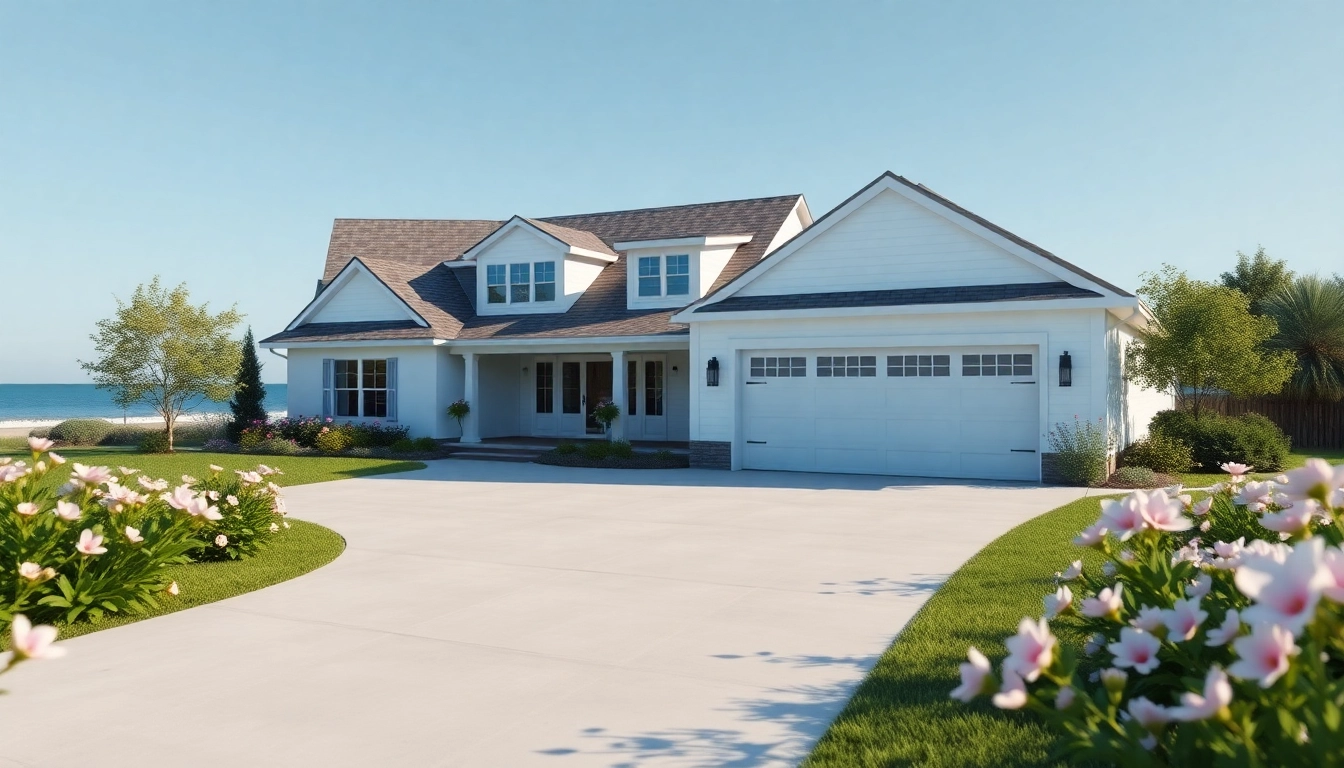
Enhancing Your Cape Cod Home: Strategies for Expansion and Garage Integration
For homeowners looking to enhance their space, the cape cod home style presents a unique charm and extensive possibilities for expansion. This article delves into the multifaceted aesthetics of Cape Cod homes, covers practical considerations when planning an expansion, and provides insights into weather resilience, value enhancement, and frequently asked questions that aspiring homeowners might have. By the end, you will gain a well-rounded understanding of not only the architectural style but also the strategic steps necessary to successfully integrate an expansion or an attached garage into your cherished home.
Understanding the Cape Cod Home Aesthetic
Key Architectural Features
The Cape Cod architectural style, originating in the 17th century, is characterized by its simplistic charm and functional design. Key features include steeply pitched gable roofs, dormer windows, and symmetrical facades. These homes are often boxy in shape, providing a quaint, yet sturdy appearance that withstands the coastal elements. The exterior is typically clad in wood shingles or clapboard, reflecting the rustic New England heritage.
Color Palettes and Materials
When it comes to color palettes, traditional Cape Cod homes often feature muted hues such as soft blues, grays, whites, and earthy tones that reflect the coastal surroundings. These colors not only blend seamlessly with the natural environment but also evoke a sense of tranquility. Materials are primarily natural, with wood being predominant due to its availability in the region. Modern adaptations might include vinyl siding for maintenance ease, but classic designs favor painted wood for authenticity.
Historical Context and Evolution
The Cape Cod style emerged as a practical response to the harsh climate of New England. Its design was heavily influenced by the homes of early settlers, who required durable and efficient living spaces. Over the years, the style has undergone various adaptations while maintaining its foundational characteristics. Today, homeowners might opt for more expansive layouts or integrate modern amenities, yet the quintessential essence of the Cape Cod home remains intact.
Planning Your Cape Cod Home Expansion
Evaluating Space and Functionality
Before embarking on the expansion of your Cape Cod home, it’s essential to assess your existing space and functionality needs. Understand how you currently use your home and identify areas where space is limited or functionality can be improved. Consider what your family needs—be it an extra bedroom, a home office, or a larger living area. Creating a wish list can aid in pinpointing what must be included in your expansion plan.
Design Considerations for an Attached Garage
When planning for an attached garage, consider its design and functionality. The garage should seamlessly integrate with the existing structure, maintaining aesthetic coherence in terms of roofing style and materials. Think about accessibility and how the garage’s positioning affects the flow of traffic within your property. Additionally, incorporating storage solutions like built-in shelves can optimize utility without compromising space.
Local Building Regulations and Permits
Before proceeding with any construction, familiarize yourself with local building codes and regulations. This typically includes assessing zoning laws, obtaining necessary permits, and adhering to any architectural guidelines specific to your community. Consulting with local authorities can smooth the process and prevent costly delays or reworks in the future.
Designing for Climate: Weather Resilience
Protective Elements for Coastal Living
Living in a coastal environment presents unique challenges, necessitating a focus on weather resilience. Elements such as storm shutters, elevated foundations, and hurricane-proof fixtures not only protect your home but also ensure safety for its occupants. Additionally, using impact-resistant windows can further safeguard your investment from high winds and severe weather conditions common in coastal areas.
Energy Efficiency Options
Incorporating energy-efficient solutions during your expansion can significantly reduce long-term operating costs, while also contributing to environmental sustainability. Solutions like Energy Star-rated appliances, high-quality insulation, and energy-efficient windows can offer substantial energy savings. Furthermore, exploring renewable energy options like solar panels can be a productive investment towards powering your Cape Cod home sustainably.
Landscaping for Stormwater Management
The landscape around your Cape Cod home plays a crucial role in stormwater management. Strategic landscaping solutions such as permeable pavements, rain gardens, and proper drainage systems can mitigate flooding risks. Native plants not only beautify your home but also require less maintenance and are more resistant to local pests and diseases.
Maximizing the Value of Your Cape Cod Home
Investment Potential of Home Expansions
Expanding your Cape Cod home can significantly enhance its market value. According to real estate experts, well-planned expansions can yield high returns, especially if they align with market trends. Whether it’s an extra bedroom or an attached garage, these upgrades can attract potential buyers, making your property more competitive in the market.
Enhancing Curb Appeal
Curb appeal is vital when maximizing your home’s value, particularly in picturesque Cape Cod neighborhoods. Simple enhancements like fresh paint, landscaping, and new siding can create a strong first impression. Consider adding outdoor elements such as decks, patios, or distinctive entryways to further enhance visual appeal.
Home Modifications that Attract Buyers
Prospective buyers often look for homes that feel modern yet maintain character. Features such as open floor plans, modern kitchens, and updated bathrooms are key areas of focus for many buyers. Integrating additional storage solutions or creating flexible spaces can further attract interest, making your Cape Cod home more appealing and functional.
FAQs about Cape Cod Home Expansion and Garages
What is the average cost of a garage addition?
The average cost of a garage addition can range from $20,000 to $50,000, depending on size, materials, and location. Always obtain multiple estimates for accurate budgeting.
How can I make my cape cod home more energy efficient?
To enhance energy efficiency, consider upgrading insulation, selecting Energy Star appliances, using LED lighting, and installing energy-efficient windows and doors.
What permits do I need for construction?
Permits required typically include building permits, zoning permits, and potentially electrical and plumbing permits. Check with local authorities for specific requirements.
How does a garage addition affect my home’s value?
A garage addition can significantly increase your home’s value, often yielding a return on investment between 60%-80%, depending on local market trends.
What design features should I include for coastal resilience?
Include features like elevated structures, impact-resistant windows, storm shutters, and durable landscaping to enhance your home’s coastal resilience and safety.