
Enhancing Events with Effective On-site Videography Techniques
Understanding On-site Videography
What is On-site Videography?
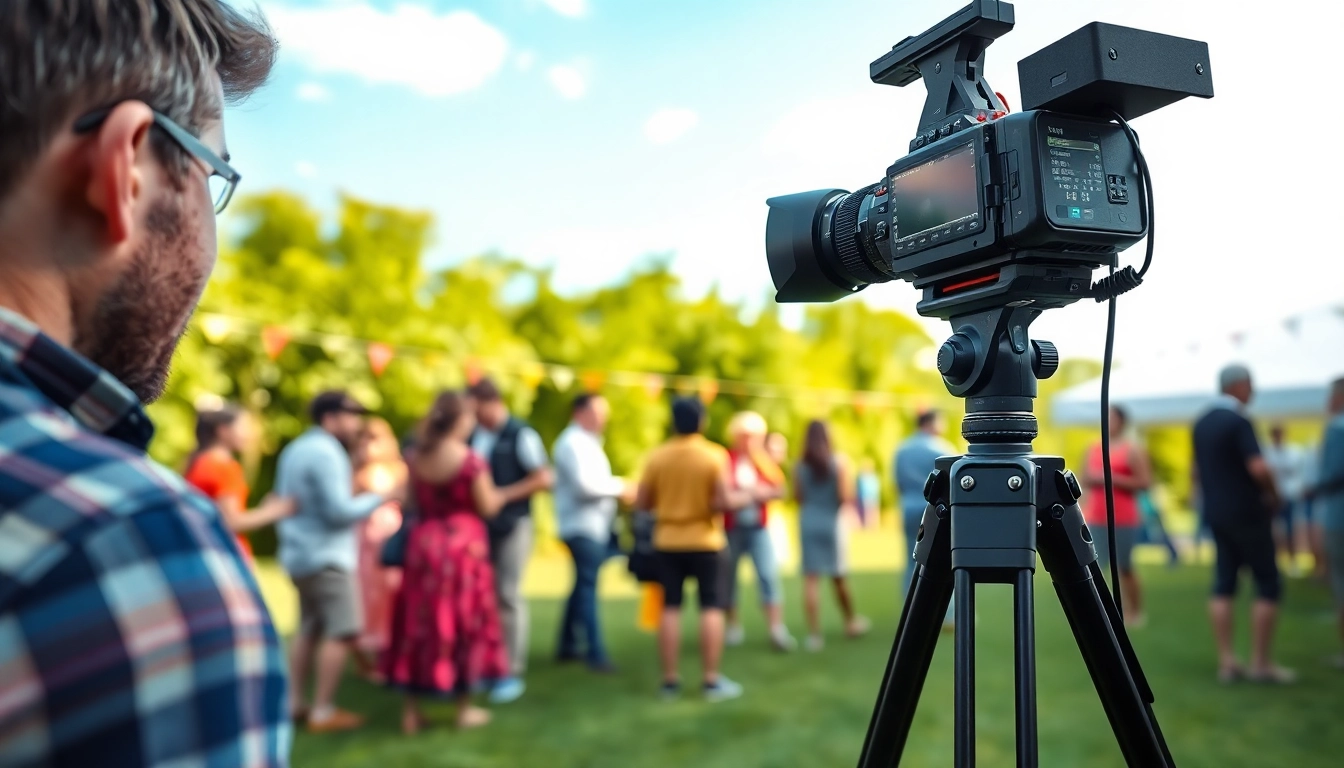
On-site videography is the process of capturing video footage at a specific location, typically during events or productions. This technique allows videographers to document real-time activities, emotions, and interactions in their natural settings. Whether it’s a corporate event, wedding, concert, or product launch, On-site videography plays a crucial role in creating engaging and informative visual content.
The Importance of Location in Videography
The location of an on-site shoot fundamentally impacts the quality and appeal of the final product. Diverse settings—ranging from bustling urban landscapes to serene natural environments—can significantly enhance the storytelling aspect of the footage. Moreover, the characteristics of a location can dictate the mood and tone of the video, helping to convey the intended message more effectively.
Choosing a location that aligns with the video’s purpose is essential. For instance, a vibrant outdoor festival might benefit from aerial shots highlighting the crowd, while an intimate corporate meeting may require tight frames on key speakers to convey professionalism and focus. Understanding how to leverage the surroundings can amplify viewer engagement and interest.
Common Uses for On-site Videography
On-site videography is utilized in a variety of scenarios, including:
- Events: Capturing weddings, conferences, and festivals to document significant moments.
- Promotions: Creating video content for product launches and marketing campaigns that showcase items in relevant settings.
- Interviews: Filming conversations with stakeholders in their natural environment, enhancing authenticity.
- Documentaries: Recording real-life events to tell compelling stories that resonate with audiences.
Essential Equipment for On-site Videography
Key Camera Gear and Accessories
To achieve high-quality footage in on-site videography, having the right equipment is crucial. Here are some essential camera gear and accessories:
- Camera: A high-definition video camera or DSLR capable of capturing professional-quality video.
- Tripod: A sturdy tripod helps stabilize the camera, reducing shake and ensuring smoother footage.
- Gimbals: For dynamic shots, a gimbal stabilizer allows for fluid movement while filming.
- Lenses: Different lenses (wide-angle for landscapes, telephoto for close-ups) enhance visual storytelling.
Audio Equipment for Clear Sound
A great video can be ruined by poor audio quality. Here are recommendations for essential audio equipment:
- External Microphones: Lavalier or shotgun mics capture clear sound, minimizing background noise.
- Audio Recorders: Standalone audio recorders provide better sound quality compared to in-camera options.
- Windshields: These are crucial for reducing wind interference during outdoor shoots.
Lighting Considerations for Various Environments
Lighting plays a significant role in videography, affecting the mood and clarity of the footage. Here are key considerations:
- Natural Light: Utilize sunlight where possible, but be mindful of harsh shadows—early morning or late afternoon light often yields the best results.
- Portable Lights: LED panels or softboxes help illuminate subjects in low-light environments or indoor settings.
- Dimmers and Filters: Using these accessories can enhance skin tones and create desired atmospheres.
Best Practices for Capturing Quality Footage
Angles and Perspectives that Work
The choice of camera angles can dramatically alter the story and emotional connection of a video. Experiment with various perspectives such as:
- Wide Shots: Capture the environment to provide context.
- Close-Ups: Detail emotions and expressions that resonate with viewers.
- Over-the-Shoulder Shots: Create a sense of observation and connection.
Framing and Composition Techniques
Proper framing and composition are vital in directing the viewer’s attention. Here are some effective techniques:
- Rule of Thirds: Strategically placing subjects off-center enhances visual interest.
- Leading Lines: Use natural lines in the scene to guide the viewer’s eye toward the subject.
- Negative Space: Allowing empty space around a subject can enhance focus and impact.
Managing Lighting and Environment Factors
Environmental factors such as changing light conditions and weather patterns should not be underestimated. Here are some strategies to manage them:
- Adaptability: Always be prepared to adjust settings or positioning based on environmental changes.
- Use of Reflectors: They help bounce light back onto your subject, especially in harsh lighting conditions.
- Plan B Locations: Always have alternatives ready for unpredictable weather.
Post-Production Techniques for On-site Videography
Editing Essentials for Smooth Flow
Post-production is where the raw footage is transformed into a polished final product. Key techniques include:
- Cuts and Transitions: Use jump cuts for energy or cross dissolves for smoother transitions.
- Storyboarding: Structuring your edit around a storyboard ensures a coherent flow.
- Trimming Clips: Be concise—eliminate unnecessary scenes to keep viewers engaged.
Adding Music and Sound Effects
Audio elements are crucial for enhancing the emotional tone of a video. Consider these tips when incorporating music and sound:
- Royalty-Free Music: Always opt for licensed music to avoid copyright issues.
- Foley Sounds: Adding natural ambient sounds can strengthen the realism of scenes.
- Volume Levels: Balance audio levels to ensure dialogue is always clear against the soundtrack.
Color Grading for Visual Impact
Color grading shapes the viewer’s perception of the video. Techniques for effective grading include:
- Consistency: Ensure a cohesive color palette that reflects the video’s mood and enhances storytelling.
- Correction vs. Grading: Use color correction to adjust imperfections, followed by grading to achieve your desired aesthetic.
- Tools and Software: Familiarize yourself with tools like Adobe Premiere Pro or DaVinci Resolve for advanced color grading techniques.
Measuring Success in On-site Videography
Analyzing Viewer Engagement Metrics
Understanding how your content is received is key to improvement. Track metrics like:
- View Counts: The number of views offers initial feedback on interest levels.
- Watch Time: Analyzing how long viewers stay engaged can highlight content effectiveness.
- Share Rates: High shares typically indicate that the content resonated well with viewers.
Gathering Feedback and Testimonials
Feedback is an invaluable tool for growth. Encourage viewer input through:
- Surveys: Create quick surveys to gather viewer opinions on video content.
- Comments Section: Monitor comment sections to gauge audience reactions.
- Testimonials: Collecting success stories from clients can also provide insights for future work.
Continuous Improvement for Future Projects
The final step in measuring success is applying what you learn. Consider these ongoing strategies:
- Retrospective Meetings: Analyze what worked and what didn’t with your team after each project.
- Skill Development: Attend workshops or online courses to continuously improve your craft.
- Experimentation: Don’t hesitate to try new styles and techniques to diversify your skill set.
FAQs
What is On-site videography?
On-site videography refers to capturing video content at a specific location, often during events or productions, to document and showcase real-time activities.
Why is location important for videography?
Location significantly affects the visual appeal and context of the footage; different environments can enhance storytelling and viewer engagement.
What equipment is essential for on-site videography?
Essential equipment includes a camera, tripod, audio recording devices, and appropriate lighting tools to ensure high-quality video capture.
How can I improve my videography skills?
Improvement comes from practicing regularly, studying advanced techniques, and seeking feedback on your work to identify areas for growth.
What metrics should I track for on-site videography success?
Important metrics include viewer engagement rates, feedback, shares, and completion rates to effectively assess your videography’s impact.