
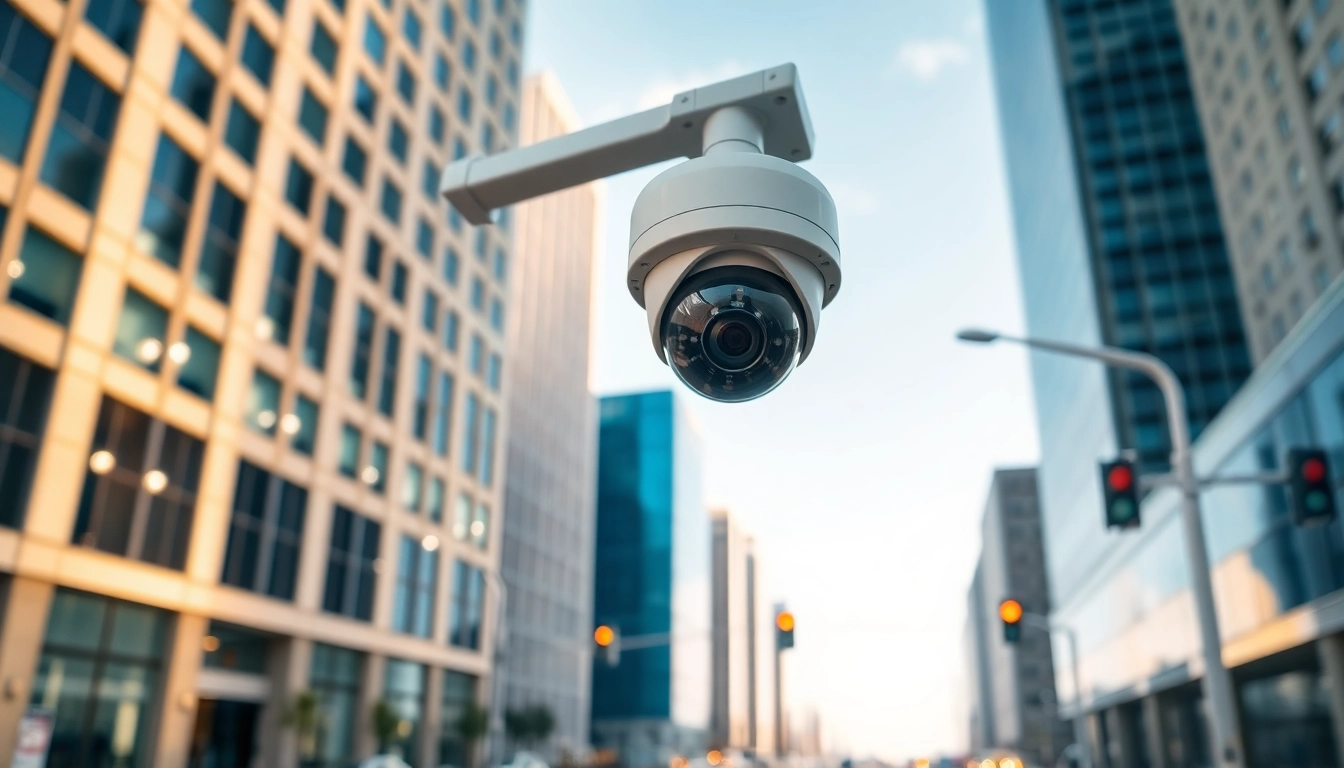
Effective Solutions with License Plate Recognition Camera for Security and Management
Understanding License Plate Recognition Camera Technology
License plate recognition camera technology is revolutionizing security, traffic management, and data collection. These sophisticated devices offer a technological solution that captures, interprets, and manages license plate information in real-time. With a versatile application range, the license plate recognition camera provides valuable insights across various sectors.
What is a License Plate Recognition Camera?
A license plate recognition camera (LPR) is an advanced surveillance tool specifically designed to identify and analyze vehicle registration plates. Unlike standard security cameras, LPRs employ optical character recognition (OCR) technology to capture images of vehicle plates, transforming those images into digital information that can be processed and stored. The ability of LPRs to operate efficiently at high speeds makes them crucial in busy environments like toll booths, parking lots, and urban traffic systems.
How Does License Plate Recognition Work?
The operation of license plate recognition cameras involves several key steps. Initially, the camera captures a clear image of a vehicle’s license plate. Next, the embedded OCR technology processes the image to extract the alphanumeric characters present. The captured data can then be compared against predetermined databases for various applications, including access control or law enforcement. Additionally, these cameras can function in low-light conditions, which enhances their usability and effectiveness at all times.
Benefits of Utilizing License Plate Recognition Cameras
The deployment of license plate recognition cameras brings numerous advantages.
- Enhanced Security: By monitoring license plates, facilities can filter out unauthorized vehicles effectively.
- Efficient Traffic Management: LPR technology assists in real-time monitoring of traffic flows, reducing congestion and improving road safety.
- Data Collection and Analysis: The data collected through LPR cameras facilitates detailed reports and insights about vehicle movement patterns.
Applications of License Plate Recognition Camera
Traffic Management and Surveillance
License plate recognition cameras are pivotal in managing traffic congestion and enhancing surveillance on roads. By collecting real-time data, authorities can analyze traffic patterns to identify bottlenecks and implement strategies for smoother flow. Additionally, LPR technology is used to enforce compliance with road regulations, such as monitoring toll payments and identifying vehicles violating speed limits.
Enhanced Security for Parking Facilities
Parking facilities benefit significantly from installing LPR cameras. They monitor vehicle entry and exit points, allowing automated systems to grant or deny access based on license plate matching. This automation streamlines parking management, increases accessibility for authorized vehicles, and minimizes security risks of unauthorized parking.
Integration with Law Enforcement
Law enforcement agencies utilize license plate recognition cameras on patrol vehicles and fixed locations to enhance crime-fighting efforts. By cross-referencing captured plates with databases of stolen vehicles, wanted persons, or other criminal databases, these systems can alert officers instantly about potential threats. This integration contributes to quicker responses during critical situations, improving overall public safety.
Choosing the Right License Plate Recognition Camera
Essential Features to Consider
When selecting a license plate recognition camera, several crucial features should be taken into account:
- Image Quality: High-resolution cameras produce clearer images, essential for accurate OCR.
- Processing Speed: Quick image processing allows for real-time analysis, which is particularly important in fast-moving environments.
- Night Vision Capabilities: Cameras with IR capabilities ensure functionality under low-light conditions.
- Weather Resistance: Selecting outdoor-rated cameras enhances durability against environmental factors.
Evaluating Camera Specifications
Beyond essential features, it is essential to evaluate technical specifications when choosing a license plate recognition camera. Key specifications include:
- Resolution: Aim for cameras with at least 1080p resolution for clearer imagery.
- Frame Rate: A higher frame rate captures fast-moving vehicles more effectively.
- Field of View: A broader field of view allows coverage of wider areas, reducing the number of cameras needed.
Cost Considerations and Budgeting
Budgeting for a license plate recognition camera involves assessing both initial purchase costs and ongoing expenses, such as maintenance and software licensing. Prices can vary widely based on features and specifications, so it’s beneficial to compare several options. Additionally, considering potential ROI, such as reduced theft or improved traffic flow, can justify higher initial costs.
Installing and Maintaining License Plate Recognition Camera
Installation Best Practices
Proper installation is crucial for maximizing the effectiveness of license plate recognition cameras. Recommendations include:
- Optimal Placement: Install cameras at strategic locations allowing for unobstructed views of approaching vehicles.
- Height and Angle Adjustments: Mount cameras at a suitable height and angle to capture clear images from multiple directions.
- Infrastructural Integration: Ensure compatibility with existing security systems for smoother operations.
Routine Maintenance for Optimal Performance
To ensure consistent functionality, routine maintenance is essential. This includes:
- Regular Cleaning: Dust and grime can hinder image quality; periodic cleaning ensures optimal functioning.
- Software Updates: Keeping firmware and software updated maintains system efficiency and introduces improved features.
- System Checks: Conducting regular performance audits can identify issues before they affect operations.
Training Staff for Effective Use
Providing staff training enables effective utilization of license plate recognition cameras. Key training areas should include:
- Operating Procedures: Teaching staff how to manage the camera system and interpret collected data enhances situational awareness.
- Responding to Alerts: Training on how to act upon alerts can improve rapid response times to potential threats.
Future Trends in License Plate Recognition Camera Technology
Emerging Technologies and Innovations
The future of license plate recognition cameras is intertwined with advancements in technology. Innovations such as cloud-based storage solutions for data management and enhanced AI capabilities for improved detection accuracy are on the horizon. Moreover, integrating LPR systems with other smart city technologies promises increased efficiency in urban planning and traffic management.
The Role of AI and Data Analytics
Artificial intelligence plays a pivotal role in enhancing the capabilities of license plate recognition systems. AI algorithms are increasingly utilized to not only improve recognition rates but also to analyze traffic patterns and vehicle behavior. Such data can inform strategic decisions in law enforcement and urban infrastructure development, ultimately leading to safer communities.
Anticipating Regulatory Changes in Surveillance
As technology evolves, so do regulatory frameworks. Anticipating changes in data privacy laws and surveillance regulations is critical for organizations implementing license plate recognition systems. Proactively understanding legal guidelines will help ensure compliance and protect both operational integrity and public trust.
FAQs
What is the typical price range for license plate recognition cameras?
Prices vary widely based on features and specifications, typically ranging from a few hundred to several thousand dollars.
How do license plate recognition cameras enhance security?
They monitor vehicle access, automate entry, and alert authorities about unauthorized vehicles, improving overall security.
Can license plate recognition cameras work in low light?
Yes, many modern LPR cameras are equipped with infrared technology, enabling them to capture clear images in low-light conditions.
Are license plate recognition cameras suitable for residential use?
Yes, many homeowners use LPR cameras for increased security, managing access to their properties effectively.
How is the data from license plate recognition cameras stored?
Data can be stored on local servers or cloud storage solutions, allowing for easy access and management of captured information.