
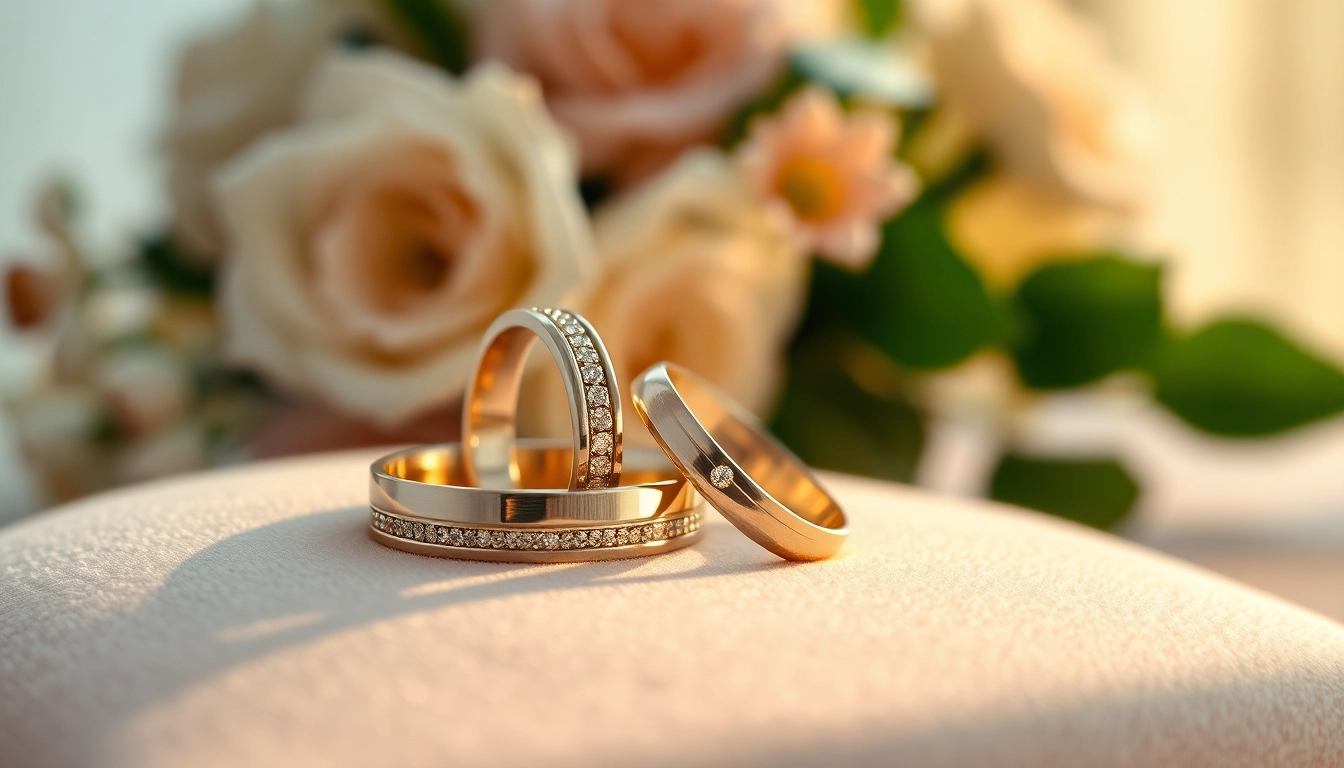
Choosing the Perfect Wedding Bands for Your Special Day
The Significance of Wedding Bands
Wedding bands are more than just pieces of jewelry; they are powerful symbols of love, commitment, and partnership between two individuals. The act of exchanging Wedding bands during the marriage ceremony is steeped in tradition and holds deep personal meaning for couples around the world. Understanding the significance and history behind wedding bands can enrich the experience of selecting and wearing them.
Symbolism of Wedding Bands
At their core, wedding bands represent an eternal commitment between partners. The circular shape of the band signifies unending love, with no beginning and no end. This symbolism of infinity resonates with couples, serving as a reminder of their vows and the promises they have made to one another. The precious materials used in crafting these bands, whether gold, platinum, or other metals, further symbolize the value and significance of the relationship.
History Behind Wedding Bands
The tradition of exchanging wedding bands dates back thousands of years. Ancient Egyptians believed that the circle symbolized eternity and the strong bond between partners. They used braided reeds and leather to create bands that represented their union. This tradition was carried through to the Romans, who popularized gold wedding bands. Over time, various cultures have adapted this practice, each adding their unique elements, resulting in the rich tapestry of wedding band customs we see today.
Cultural Variances in Wedding Bands
While the concept of wedding bands is universal, the customs surrounding them vary significantly across cultures. In some cultures, such as in India, the act of wearing a wedding band includes multiple pieces of jewelry that signify different aspects of marriage. Others, like in the Western world, have simplified this to a singular band. In various cultures, the materials used, such as gold, silver, or even fabric, hold different meanings and are chosen carefully by couples to reflect their heritage and values.
Types of Wedding Bands
Selecting the right wedding band is a personal journey, and many options exist to choose from. Wedding bands can be categorized into various types based on style, material, and design.
Classic vs. Modern Wedding Bands
Classic wedding bands often feature sleek, simple designs that emphasize the beauty of the metal itself. These timeless bands are perfect for couples seeking a traditional look. Modern wedding bands, on the other hand, often embrace creativity with unique shapes, patterns, and embellishments. Couples today may choose to blend classic and modern elements, selecting bands that reflect both their personalities and the story of their relationship.
Materials Used for Wedding Bands
The material of a wedding band is crucial and directly affects its appearance, durability, and price. Common materials include:
- Gold: Available in yellow, white, and rose variations, gold is a classic choice known for its reflective quality and timeless appeal.
- Platinum: Highly durable and scratch-resistant, platinum is often favored for its strength and natural white color.
- Titanium: This lightweight and hypoallergenic metal has gained popularity for modern designs due to its strength and affordability.
- Wood: Some couples opt for wooden bands to symbolize their connection to nature and sustainability.
Unique Designs for Wedding Bands
For couples looking to express their individuality, unique wedding band designs are abundant. From bands featuring intricate engravings or gemstones to those incorporating asymmetrical shapes or mixed materials, the possibilities are endless. Custom-designed bands, which can incorporate personal elements or motifs meaningful to the couple, also provide an opportunity for distinct expression.
Selecting the Right Wedding Bands
Choosing the right wedding band involves careful consideration of several factors to ensure that the final selection is both meaningful and practical.
Factors to Consider When Choosing Wedding Bands
Selecting a wedding band involves several important factors:
- Style: Consider whether a classic, modern, or unique style appeals more to you and your partner.
- Comfort: The band’s width and thickness can affect comfort, especially for daily wear.
- Lifestyle: Consider how active you and your partner are and choose a material and design that will withstand daily activities.
Finding the Perfect Fit for Wedding Bands
Getting the right size is essential for a comfortable fit. Couples should consider visiting a jeweler to properly measure their ring sizes, accounting for factors like temperature and time of day, which can affect finger size. Additionally, styles that may appear loose at first can feel snug after wearing them for a while, so trying them on throughout the day can provide greater assurance when making a decision.
Budgeting for Wedding Bands
Establishing a budget for wedding bands is crucial, as prices can vary significantly based on materials and design complexity. Couples should define a realistic budget that reflects both their financial situation and the importance of these symbols of commitment. It’s beneficial to set a range rather than a fixed number to allow for flexibility in selection while keeping financial priorities in check.
Caring for Your Wedding Bands
Proper care and maintenance of wedding bands are essential for keeping them looking beautiful and prolonging their lifespan.
Maintenance Tips for Wedding Bands
Regular maintenance is vital for preserving the integrity of wedding bands. Couples should have their bands checked by a jeweler periodically to ensure the settings are secure, especially if they feature gemstones. Additionally, avoiding exposure to harsh chemicals and removing the bands during activities that might cause damage can help maintain their condition.
Cleaning Techniques for Wedding Bands
To keep wedding bands sparkling, regular cleaning is recommended. Simple at-home techniques include:
- Soaking in warm, soapy water followed by gentle scrubbing with a soft toothbrush.
- Rinsing thoroughly and drying with a soft, lint-free cloth.
- For professional cleaning, taking the bands to a jeweler can restore their shine.
Storing Wedding Bands Safely
When not being worn, wedding bands should be stored safely to prevent scratches or damage. Using a jewelry box with separate compartments is ideal, as it keeps the bands from coming into contact with one another. Alternatively, a soft pouch can provide protection when placed in a drawer or storage space.
Frequently Asked Questions About Wedding Bands
What is the average cost of wedding bands?
The average cost varies widely, depending on materials and design, ranging from a few hundred to several thousand dollars.
How to choose the right size for wedding bands?
Visit a jeweler for accurate measurement, accounting for daily activities that may affect finger size through the day.
Can wedding bands be engraved?
Yes, many jewelers offer engraving services for wedding bands, allowing for personal touches or meaningful messages.
What materials are best for wedding bands?
Gold, platinum, and titanium are popular choices, each offering unique benefits in terms of appearance and durability.
How to care for and maintain wedding bands?
Regular cleaning, avoiding harsh chemicals, and periodic checks by a jeweler will help maintain their condition and longevity.