
Choosing the Best Business Phones for Your Company Needs
Understanding Business Phones
What are Business Phones?
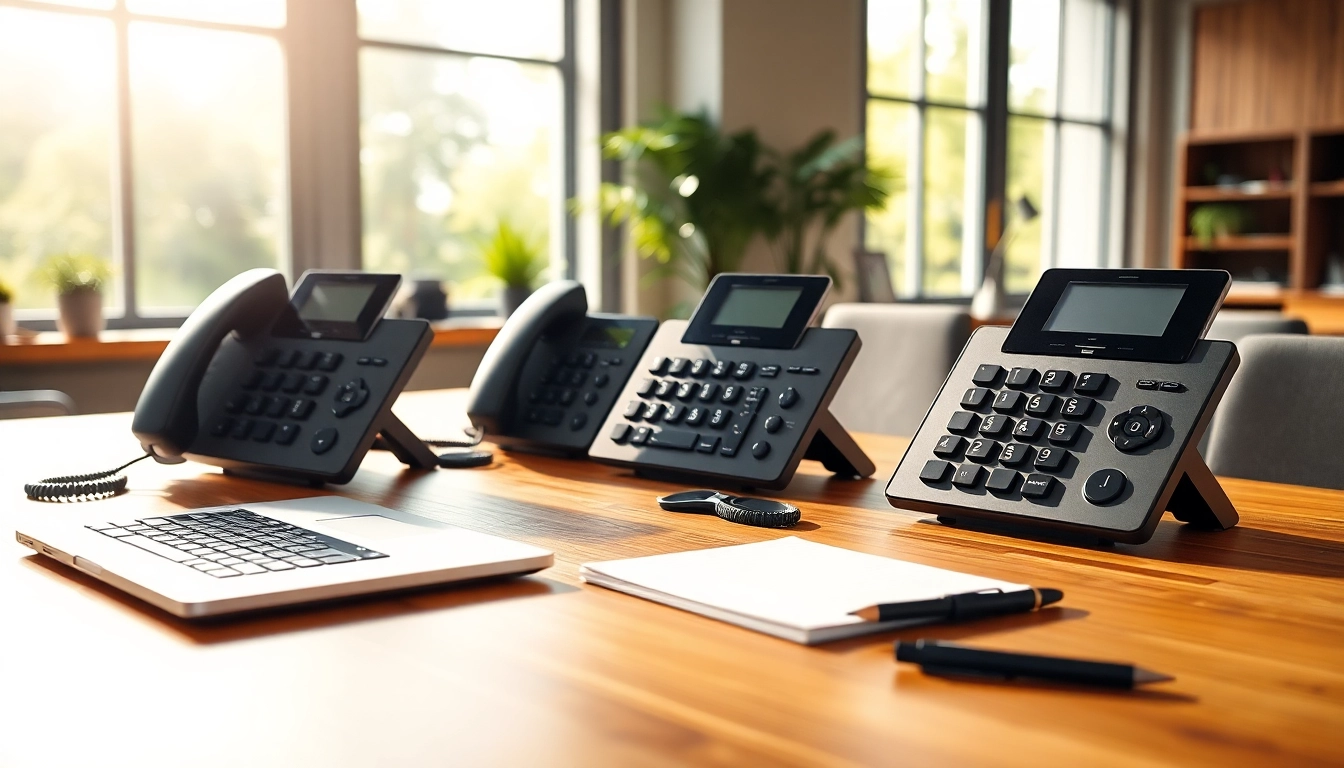
Business phones are specialized telecommunication devices or systems designed to meet the unique needs of businesses. These phones range from traditional landlines to advanced VoIP systems, facilitating effective communication within and outside the organization. Unlike regular consumer phones, business phones often come equipped with features tailored to enhance productivity, such as call forwarding, voicemail-to-email, and conferencing capabilities. The goal is to streamline communication processes and improve overall operational efficiency.
Types of Business Phones
Understanding the various types of business phones is crucial for selecting the right option for your company. The main categories include:
- Landline Phones: Traditional telephones that connect through copper wires, typically reliable but lacking in advanced features.
- IP Phones: These devices use Internet Protocol to make calls and often come with diverse functionalities such as video conferencing and integration with business software.
- Mobile Phones: Essential for off-site employees, these devices support communication on the go while often connecting to in-house phone systems.
- Conference Phones: Designed for group meetings, these phones feature multiple microphones and speakers to ensure clear communication among all participants.
- Virtual Phone Systems: Software-based systems that provide a variety of phone services through mobile or desktop applications without needing physical hardware.
Key Features to Consider
When evaluating business phones, it’s vital to consider key features that will enhance their functionality:
- Call Management: Features such as call transfer, hold, and queuing are crucial for maintaining customer satisfaction.
- Mobility Options: Many businesses require communication on the go, so mobile integration and remote access are important.
- Integration Capabilities: Compatibility with other business systems, like CRM and email, is essential for seamless communication.
- Customization: The ability to customize settings, voicemail, and features can enhance user experience.
- Support and Maintenance: Reliable customer service can reduce downtime and keep business operations running smoothly.
Evaluating Your Business Needs
Assessing Communication Requirements
A thorough assessment of your communication needs is vital in determining the right phone system. Consider the following:
- Employee Roles: Identify how your team communicates. Do they require mobile access or are they primarily desk-bound?
- Volume of Calls: Estimate the number of calls made daily; this helps in understanding whether you need a robust system.
- Key Features: Determine which features are essential, such as voicemail, conference calling, or call recording.
- Remote Work Needs: In an increasingly remote working world, ensure that solutions accommodate off-site employees.
Budget Considerations
Establishing a clear budget is crucial when selecting business phones. Balance between cost-effectiveness and feature availability. Assess initial investment against long-term operational costs, taking into account:
- Purchase vs. Lease: Decide if you want to buy your devices outright or lease them for flexibility.
- Maintenance and Upgrades: Factor in costs for updates and ongoing maintenance services.
- Support Services: Consider potential extra costs for service contracts and support.
Scalability and Flexibility
As your company grows, your communication needs may change. Therefore, selecting a scalable and flexible phone system is critical. Look for:
- The Ability to Add Lines: As your business expands, you may need more lines to accommodate additional employees.
- Upgradable Features: Ensure systems can evolve with advanced functionalities as your business requires them.
- Interoperability: Systems that can work with existing technology offer smoother transitions as needs change.
Selecting the Right Business Phones
Popular Brands and Models
When looking to acquire business phones, evaluating popular brands and models can provide insight into reliability and performance. Consider factors such as warranty duration, industry reputation, and user satisfaction ratings when exploring options.
Comparison of Features
Comparing the features of different phones can lead to informed decision-making. Create a checklist of required features and compare models accordingly. For example, you might prioritize:
- Quality of call clarity
- Feature sets, including voicemail management
- Ease of use for your team’s requirements
User Reviews and Feedback
User reviews provide real-world insights into the performance of business phones. Analyze customer experiences and feedback to garner insights about ease of use, reliability, and support. Look for patterns or recurring issues to make a well-informed choice.
Implementing Business Phone Systems
Installation and Setup
Proper installation and setup of your business phone system are crucial for optimal functionality. This typically involves:
- Connecting the physical devices
- Configuring software settings and features via a control panel
- Testing the system for call quality and functionality
Training Your Team
Providing training to your team is essential to maximize the potential of your new phone system. Conduct hands-on sessions focusing on:
- Feature usage and best practices
- Troubleshooting common issues
- Integration with other tools for improved productivity
Maintaining Your Phone Systems
Consistent maintenance of your phone system ensures longevity and reliability. Consider these maintenance practices:
- Regularly update software to enhance security and features
- Perform routine checks to identify potential issues before they escalate
- Monitor call quality and user feedback for continuous improvement
Future Trends in Business Phones
Cloud-Based Solutions
Cloud technology is reshaping how businesses approach communication. Cloud-based phone systems offer flexibility and scalability while reducing the need for physical infrastructure. Consider the benefits:
- Access features from anywhere with internet connectivity
- Automatic updates and security patching without downtime
- Cost efficiency compared to traditional systems
AI and Automated Systems
Artificial Intelligence is making its way into business communications, offering features like virtual assistants, call routing, and analytics. Benefits include:
- Improved customer interactions through smart routing
- Predictive analytics for better decision-making
- Potential for streamlined operations with automated processes
5G and Mobile Connectivity
The rollout of 5G technology promises to revolutionize mobile communication with increased speed and reliability. With 5G, you can expect:
- Uninterrupted video calls and conferencing
- Faster data transfer for cloud applications
- Enhanced mobile capabilities for remote and traveling employees
FAQs
What are the advantages of using business phones?
Business phones offer enhanced features for professional communication, ensuring reliability, productivity, and a dedicated support system tailored for business needs.
How do I choose the best business phone?
Assess necessary features, budget constraints, and the scalability of the system to find the best business phone solution that aligns with your business needs.
Can business phones integrate with other systems?
Yes, many business phones are designed to integrate seamlessly with CRM systems, VoIP solutions, and other communication tools to boost efficiency.
What should I expect in terms of support?
Expect responsive technical support, regular software updates, and comprehensive service agreements to ensure your business phone systems operate smoothly.
Are there budget-friendly options for startups?
Numerous vendors offer scalable, budget-friendly phone systems designed for startups, allowing them to accommodate growth without heavy upfront investments.