
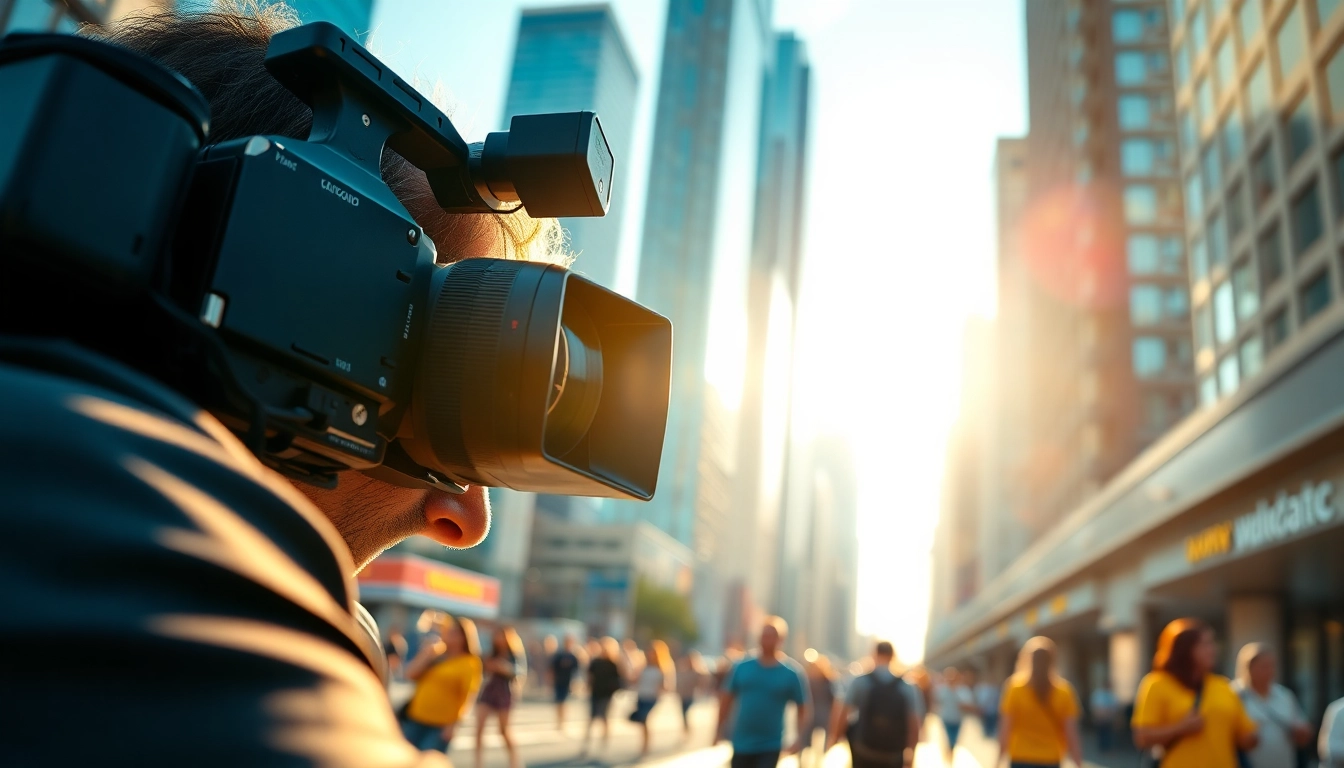
Top Tips for Finding the Right Videographer for Your Project
Understanding the Role of a Videographer
In today’s visual-centric world, the Videographer plays an essential role in engaging audiences through compelling storytelling. A videographer captures the essence of events, performances, and projects, transforming ordinary moments into extraordinary visual experiences. With the rise of digital platforms, the demand for skilled videographers is at an all-time high, making understanding their role more crucial than ever.
The Essentials of Videography
Videography is more than just recording video footage; it encompasses a variety of activities from pre-production planning to filming and post-production editing. A proficient videographer must combine technical expertise with creativity. Knowledge of camera operation, audio recording, lighting techniques, and editing software is vital.
Moreover, the relationship between the videographer and the subject matter is crucial. Whether it’s a wedding, corporate event, or artistic project, the videographer must understand the narrative and emotional depth necessary to capture compelling footage that resonates with the audience.
Types of Videographers and Their Specializations
Different projects require different skills and approaches. Here are some common types of videographers and their areas of specialization:
- Wedding Videographers: Specializing in capturing the unique moments of weddings, these videographers focus on storytelling through emotional highlights and beautiful scenery.
- Corporate Videographers: These professionals create videos for businesses, such as promotional content, training videos, or corporate events, conveying messages that align with the brand’s vision.
- Event Videographers: Covering various events, from concerts to conferences, event videographers excel at capturing the energy and ambiance often found in large gatherings.
- Documentary Videographers: They tell real stories, often conducting interviews and research to present factual content that educates and informs viewers.
- Creative Videographers: These artists often work on projects that emphasize unique artistic visions, including music videos, short films, and experimental cinema.
Why Hiring a Professional Videographer Matters
Investing in a professional videographer can significantly enhance the quality of your project. Here are a few reasons why this decision can yield great returns:
- Quality Production: Professionals have the skills to deliver high-quality videos that look polished and visually appealing.
- Experience and expertise: A seasoned videographer brings knowledge that can only come with experience, ensuring deadlines are met without sacrificing quality.
- Creative Vision: Professional videographers possess a unique perspective and creativity that can elevate your project beyond basic filming.
- Time-Saving: By hiring an expert, it allows project stakeholders to focus on their responsibilities while ensuring the videography is handled by someone proficient.
Key Qualities to Look for in a Videographer
Choosing the right videographer can be daunting, but focusing on specific qualities can streamline the decision-making process. Certain attributes indicate a videographer’s ability to produce exceptional work.
Technical Skills and Experience
A solid foundation in technical skills is non-negotiable for any videographer. Look for individuals who have:
- Proficiency in camera equipment, including knowledge of various types of lenses and settings for different scenes.
- Experience with audio recording to ensure that sound quality is as high as video quality.
- Competence in lighting techniques to create the desired mood and enhance visual storytelling.
- Familiarity with editing software to produce a final product that aligns with your project’s vision.
Creativity and Style
Each videographer develops a unique style that is reflected in their work. Consider the following during your assessment:
- Review their past projects and identify personal aesthetic preferences. What types of shots do they favor? Is their editing style engaging?
- Determine if their creative vision aligns with your project’s objectives and audience expectations. The right blend of creativity and understanding can resonate profoundly with viewers.
- Look for versatility in their portfolio. Can they adapt to various themes or topics?
Communication and Collaboration
Effective communication plays a vital role in achieving project goals. A good videographer will listen actively to your ideas, provide constructive feedback, and involve you in the creative process. Key aspects of this quality include:
- Ability to convey ideas clearly and ask the right questions to understand your vision.
- Openness to collaboration, allowing for a more interactive and enriching experience.
- Responsiveness to feedback, demonstrating professionalism and a commitment to improving the final product.
How to Evaluate a Videographer’s Portfolio
When assessing potential videographers, their portfolio serves as the most informative resource about their capabilities. Here are steps to effectively evaluate their work:
Analyzing Previous Work Samples
Start by viewing a range of samples, including different projects (e.g., weddings, corporate events, documentaries). This will provide insight into the videographer’s style and adaptability:
- Consider the narrative structure. Does the work tell a compelling story?
- Examine the technical quality. Is the footage well-lit, steady, and clear?
- Look for creativity in shots and editing choices; memorable videos often stand out due to unique angles and transitions.
Understanding Different Styles in Videography
Every videographer approaches projects differently, leading to various styles. Familiarize yourself with these styles to better understand a videographer’s work:
- Cinematic: This style adopts techniques seen in movies, utilizing dramatic edits and elaborate scenes.
- Documentary: This style captures reality authentically, often focused on storytelling rather than artistic editing.
- Event Coverage: Generally straightforward, this style competently covers events without excessive flair.
Recognizing Quality and Production Value
Production value can indicate a videographer’s expertise. High-quality videos typically exhibit:
- High-definition footage that captures fine detail.
- Appropriate audio quality, without muddiness or background noise.
- Professional transitions and edits that support the storytelling rather than distract from it.
Budgeting for Your Videography Needs
Budget considerations can significantly impact the decision to hire a professional videographer. Understanding the factors contributing to costs can help you make informed decisions.
Estimating Costs Based on Project Type
Various types of videography projects come with different budgets. Here are some aspects to consider:
- Event videography typically accounts for coverage duration, number of cameras, and the complexity of the event.
- Corporate projects might require scripting, specialized equipment, and multiple revisions in post-production, which can affect costs.
- Weddings usually involve extensive preparation, coordination, and a longer day of filming, typically indicating a higher price.
Finding Balance Between Quality and Affordability
Low-budget videographers may be tempting, but it’s crucial to balance cost with quality. Keep in mind:
- Quality should not be sacrificed for price; a well-made video provides long-term value.
- Evaluate what compromises you would be willing to make: is it a matter of fewer hours, less extensive coverage, or skipping extra features?
- Prioritize a reliable professional over an inexpensive option, as experienced videographers typically understand the process and can deliver better results.
Transparent Pricing and Add-On Services
Clear pricing helps avoid unexpected costs. Ensure your selected videographer provides:
- A detailed proposal highlighting all costs expected throughout the project.
- Information on add-on services, such as additional editing, drone footage, or extra shooters.
- Consider options for packages or a la carte services to create a solution that matches your budget.
Tips for Working with a Videographer Effectively
Building a collaborative relationship with your chosen videographer can significantly enhance the outcome of your project. Here are essential strategies for working effectively together:
Pre-Production Planning Steps
Prior to filming, thorough pre-production planning is crucial. Steps to consider include:
- Establishing the project scope and objectives, including key messaging and audience demographics.
- Creating a shooting schedule that outlines locations, timing, and shot lists to ensure an organized approach during filming.
- Discussing logistics like permits or special requirements well in advance to avoid disruptions on project day.
Communicating Your Vision
Clear communication ensures that your vision aligns with the videographer’s execution. Tips for effective communication include:
- Be as specific as possible about your goals, styles, and preferences. Share references that inspire you.
- Encourage brainstorming and collaborative discussions to foster a better understanding of each other’s perspectives.
- Engage in regular check-ins to assess progression towards the goal and refine ideas.
Post-Production Collaboration and Feedback
The post-production phase is where the final vision comes to life. Effective collaboration during this stage involves:
- Scheduling review sessions to provide feedback on edits in a constructive manner.
- Being open to suggestions that may enhance the final product, as videographers may identify creative ways to improve the story.
- Allowing ample time for adjustments and revisions to facilitate thorough refinement of the project.