
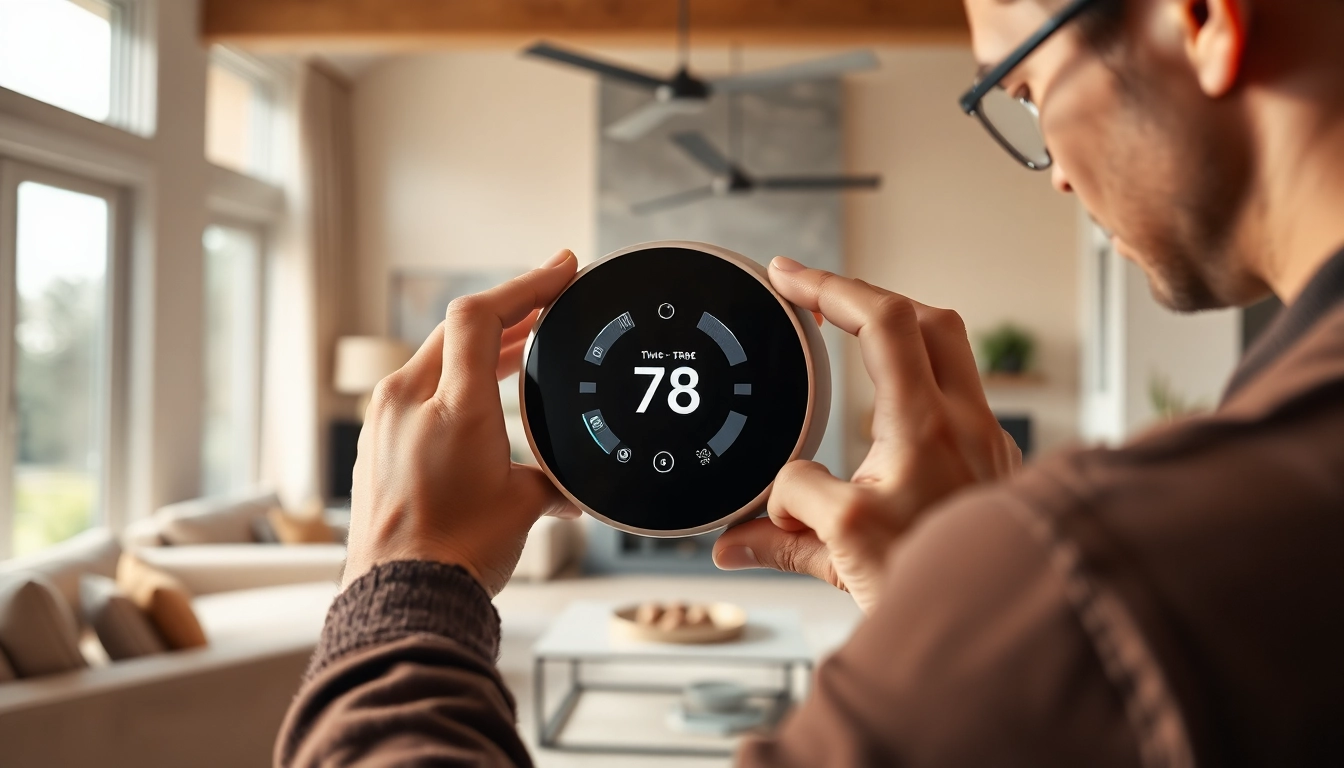
What is Smart thermostat and How Does It Work?
Definition and Features of Smart thermostat
A Smart thermostat is an advanced heating and cooling solution designed for modern homes. Unlike traditional thermostats, smart thermostats can be programmed and controlled remotely using smartphones, tablets, or computers. These devices often come equipped with a variety of features that enhance user experience, including learning capabilities, geofencing technology, and integration with smart home systems. Key features include touchscreens, compatibility with virtual assistants, and the ability to monitor energy usage.
How Smart thermostat Controls Temperature Efficiently
Smart thermostats use algorithms and machine learning to analyze temperature patterns in your home. This enables them to make adjustments based on your daily schedule and preferences, which helps maintain an optimal environment while avoiding energy wastage. For instance, if a smart thermostat detects that no one is home, it can automatically adjust the temperature to conserve energy. Such smart devices can learn over time, identifying when to heat or cool your space for maximum efficiency.
Understanding the Technology Behind Smart thermostat
The technology behind smart thermostats revolves around connectivity and sensors. These devices connect to your home's Wi-Fi network, allowing for remote management through mobile apps. Sensors embedded in the unit help detect occupancy and temperature fluctuations. Some models use advanced features like geofencing, which adjusts settings based on your location. By integrating with smart home ecosystems, smart thermostats can communicate with other devices, such as smart lights and security systems, to achieve holistic home automation.
Benefits of Using a Smart thermostat at Home
Energy Efficiency and Cost Savings
One of the primary advantages of a smart thermostat is its impact on energy efficiency. Studies show that households can save up to 10-20% on heating and cooling bills after installation. By optimizing HVAC system performance, smart thermostats prevent unnecessary running times and control temperature settings that reflect actual occupancy. This contributes to substantial cost savings on utility bills over time.
Enhanced Comfort with Smart thermostat
Smart thermostats empower users to maintain a comfortable indoor climate regardless of the outdoor weather. They can create customized schedules that align with personal routines. Some models even adjust based on external weather conditions. For instance, during hot summer days, if it’s sunny outside, the smart thermostat may preemptively cool the house to ensure it remains comfortable when arriving home.
Remote Accessibility and Control
With smart thermostat technology, users can take control from anywhere. Whether at work or on vacation, you can adjust your home's temperature through a mobile app. This level of convenience not only enhances daily comfort but also allows for proactive adjustments that can prevent energy waste. Notifications on potential HVAC issues can help in prompt maintenance, ensuring that your heating and cooling systems run optimally.
How to Choose the Right Smart thermostat for Your Home
Factors to Consider When Selecting a Smart thermostat
When choosing a smart thermostat, consider factors such as compatibility with your HVAC system, ease of installation, and user-friendly interfaces. Not all smart thermostats suit every household configuration, so it's crucial to conduct research to ensure compatibility. Look for scalability in features, especially if you plan to expand your smart home system in the future.
Top Features to Look for in a Smart thermostat
Seek out essential features such as learning algorithms, adaptive scheduling, remote control, and weather integration. Geofencing capabilities enhance energy efficiency by detecting your location and adjusting energy use accordingly. It's also advantageous to have integration options with other smart home devices, as it expands functionality and improves overall management of home automation.
Pricing Considerations for Smart thermostat Models
Smart thermostat prices can vary significantly depending on features and brands. Generally, you can find models ranging from budget options to premium devices with advanced capabilities. It's important to balance features with your budget while considering potential energy savings, which can make more expensive models a worthwhile investment over time.
Installation Process: Setting Up Your Smart thermostat
Preparing for Smart thermostat Installation
Before beginning the installation process, ensure that you have the necessary tools and check the compatibility of your existing HVAC system with the smart thermostat. Read through the installation guide provided by the manufacturer for specific instructions. Clearing the installation space helps in the setup process, allowing easy access to wiring and connections.
Step-by-Step Guide to Install Smart thermostat
To install your smart thermostat, follow these steps: 1. Turn off power to your HVAC system to prevent electrical shocks. 2. Remove the old thermostat, taking care to label wires for easy reconnection. 3. Connect wires to the new smart thermostat, matching them according to the guide. 4. Secure the thermostat to the wall, and restore power to the HVAC system. 5. Complete setup through the mobile app for configuration.
Troubleshooting Common Installation Issues
If you encounter issues during installation, check for miswired connections, and ensure compatibility with your HVAC system. If the smart thermostat fails to connect to Wi-Fi, verify network settings and password accuracy. Frequently, simply rebooting the device can resolve connectivity problems. Consult the user manual for further troubleshooting steps if necessary.
Frequently Asked Questions about Smart thermostat
What is the Cost of a Smart thermostat?
Smart thermostat prices vary widely, typically ranging from $30 to $250, depending on features and capabilities.
Can I use Smart thermostat without Wi-Fi?
Many smart thermostats require Wi-Fi for full functionality, but some basic features can work without it.
How does Smart thermostat save energy?
Smart thermostats conserve energy by optimizing heating and cooling schedules based on user behavior and preferences.
Is Smart thermostat installation difficult?
Installation can be straightforward for those familiar with basic electrical work; however, professional installation is advisable for others.
What maintenance does a Smart thermostat require?
Regular software updates are essential for optimal performance. Periodically cleaning and ensuring proper connections also helps maintain efficiency.