Understanding the Role of a Videographer
Definition and Responsibilities of a Videographer
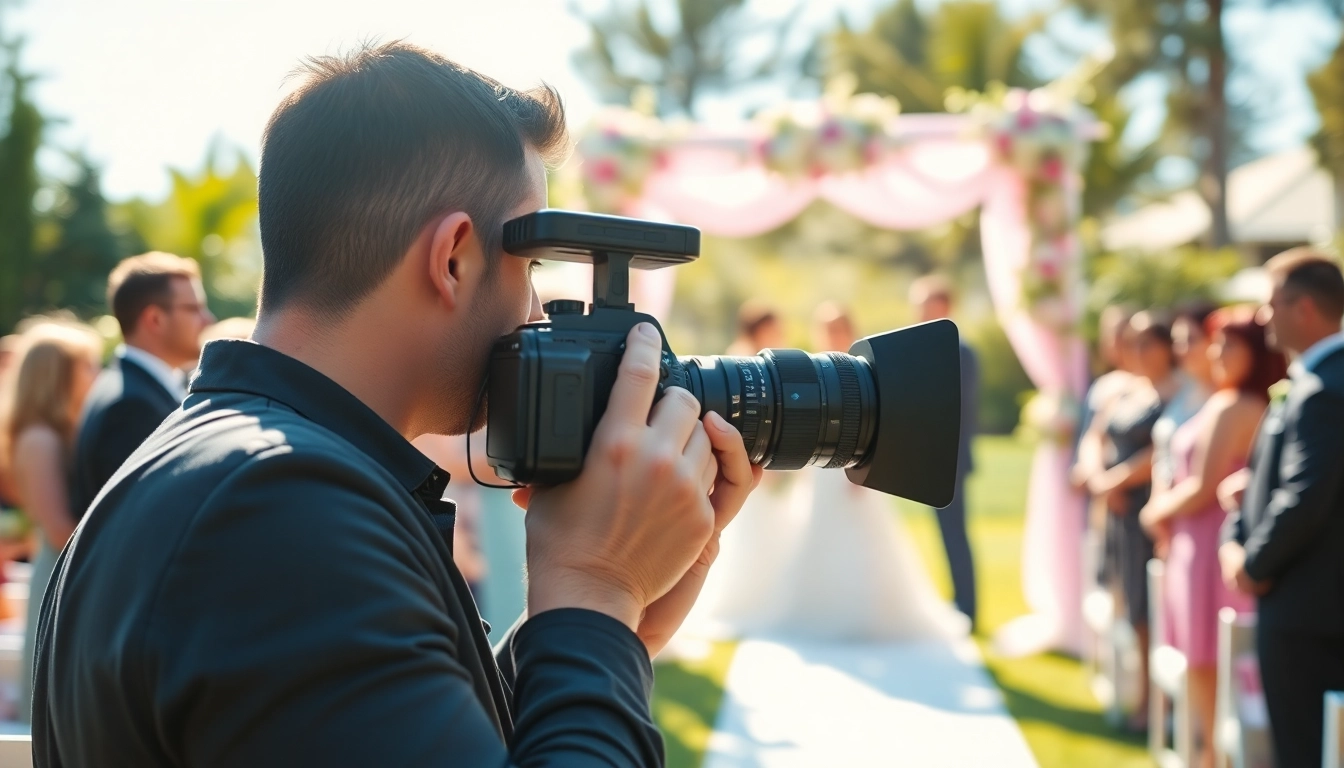
A videographer is a professional who captures moving images and creates video content for various purposes, including weddings, corporate events, documentaries, and more. The role of a videographer goes beyond just operating a camera; it encompasses a comprehensive process that includes pre-production planning, shooting, and post-production editing. This profession requires a meticulous balance of technical and creative skills, as videographers must not only understand the mechanics of camera operation but also possess a keen eye for storytelling.
Key Skills Required for Videographers
To excel as a Videographer, one must cultivate a variety of skills. Here are some essential skills every videographer should master:
- Technical Proficiency: Proficient knowledge of cameras, lenses, and lighting equipment is critical. This includes understanding the technical specifications such as aperture, shutter speed, and ISO.
- Editing Skills: Familiarity with video editing software like Adobe Premiere Pro or Final Cut Pro is essential for post-production work, where the videographer compiles and enhances the footage into a polished final product.
- Storytelling Ability: A good videographer should be able to craft a narrative through visuals, ensuring the video resonates with the target audience and conveys the intended message.
- Communication: Strong interpersonal skills are vital for collaborating with clients and understanding their vision for the project.
- Attention to Detail: The ability to notice small details can significantly enhance the quality of the final video.
Different Types of Videographers
Videography is a broad field, and professionals may specialize in various niches:
- Wedding Videographers: They specialize in documenting weddings and capturing the emotional moments that couples cherish.
- Corporate Videographers: These videographers create promotional videos, training materials, and event documentation for organizations.
- Event Videographers: They cover events such as concerts, trade shows, and public speeches, focusing on capturing the atmosphere and key moments.
- Documentary Videographers: These professionals focus on storytelling, often conducting interviews and comprehensive research to portray a subject matter accurately.
How to Choose a Videographer
Evaluating Experience and Portfolio of a Videographer
Choosing the right videographer for your project is crucial. Start by evaluating their experience and portfolio. A strong portfolio will showcase a variety of work and demonstrate their style and capabilities. Pay attention to the following:
- Quality of Work: Look for high-quality visuals, interesting compositions, and professional editing in their previous projects.
- Diversity: A diverse portfolio indicates versatility, showing the videographer can handle different types of projects and styles.
- Client List: Check if they have experience working with similar clients or events, which can provide insight into their capability and professionalism.
Comparing Pricing Structures
Pricing can vary widely among videographers, influenced by factors like experience, project type, and duration. When comparing prices, consider the following:
- Package Inclusions: Ensure you understand what is included in each package, such as shooting hours, editing time, and additional services like drone footage or highlight reels.
- Travel Fees: Factor in any potential travel fees if the videographer has to travel far for your event.
- Deposit and Payment Terms: Clarify the deposit amount required to secure the date, as well as the timeline for additional payments.
Reviewing Client Testimonials
Client testimonials provide valuable insights into a videographer's reliability and quality of service. Look for reviews on their website or third-party platforms and check for consistency in positive feedback regarding:
- Professionalism: Did the videographer communicate effectively and meet deadlines?
- Creativity: Were clients pleased with the final product’s creativity and storytelling?
- Overall Experience: What was the client’s overall experience working with the videographer?
Essential Equipment Used by Videographers
High-Quality Cameras and Lenses
The backbone of any videography endeavor is high-quality camera equipment. Videographers typically invest in diverse camera systems that offer various functionalities:
- DSLR and Mirrorless Cameras: Many videographers prefer using DSLRs or mirrorless cameras for their versatility and image quality.
- Professional Lenses: Different lenses allow for different shots, from wide-angle for expansive landscapes to macro lenses for close-ups.
- 4K and Higher Resolution Options: Shooting in 4K or higher provides greater detail and allows for cropping and editing without losing quality.
Sound Equipment for Clear Audio
Clear sound is just as critical as visual quality. Videographers often use various audio equipment to ensure the best sound capture:
- Microphones: Different types of microphones, such as lavalier, shotgun, or handheld microphones, are used depending on the setting and subject.
- Audio Recorders: External audio recorders can significantly enhance sound quality compared to the camera's built-in microphone.
- Windshields and Pop Filters: Using windshields and pop filters can reduce unwanted sound interference during outdoor filming.
Lighting Tools for Different Events
Good lighting can transform a good shot into a great one. Professionals use various lighting techniques to enhance their videos:
- LED Lights: Versatile and energy-efficient, LED lights are often used for both indoor and outdoor shoots.
- Softboxes: They provide diffused lighting, perfect for creating a soft, flattering look.
- Reflectors: Reflectors can bounce light onto subjects and improve the overall brightness and quality of the footage.
Tips for Working with Your Videographer
Communicating Your Vision and Expectations
Successful projects begin with clear communication. Here’s how to effectively convey your vision:
- Share Examples: Provide examples of video styles you like to help the videographer understand your aesthetic preferences.
- Discuss Goals: Be clear about your objectives for the video and what message you want it to convey.
- Collaborate: Encourage ongoing dialogue throughout the process to adjust any aspect as needed.
Scheduling Key Moments for Filming
Planning the shooting schedule can help ensure that important moments are captured without missing anything crucial. Consider these steps:
- Create a Shot List: Develop a list of must-have shots to ensure all key moments are covered.
- Allow for Flexibility: Plan additional time for unforeseen changes or delays that may arise during the shoot.
- Coordinate With Other Vendors: If other professionals are involved in the event (like photographers), coordinate schedules to ensure smooth transitions.
Ensuring Comfort and Professionalism
A professional videographer should always create a comfortable atmosphere for clients and guests. You can assist in this process by:
- Being Approachable: Encourage open communication and make introductions as needed to make everyone feel relaxed.
- Handling Logistics: Ensure that the videographer has all necessary access and permissions well in advance to avoid disruptions.
- Providing a Calm Environment: Help set the stage for a comfortable filming environment, particularly in potentially stressful settings, such as weddings or formal events.
Trends in Videography You Should Know
Incorporating Drones for Aerial Shots
Drones are revolutionizing videography by providing breathtaking aerial shots and unique perspectives. They can capture landscapes and events from angles that traditional filming cannot achieve, enhancing the visual storytelling aspect of videography.
Using Advanced Editing Techniques
The editing phase of videography is where the magic truly happens. Professionals today are employing advanced editing techniques to enhance the narrative and visual appeal, such as:
- Color Grading: Adjusting colors during editing can set the mood and tone of the video.
- Motion Graphics: Including graphics or animated text can help convey information effectively and engage viewers.
- Multicam Editing: Utilizing footage from multiple cameras can make for a more dynamic viewing experience.
Embracing Live Streaming Options
Live streaming has become a popular option for events, allowing remote audiences to experience occasions in real-time. Many videographers are now offering live streaming services to expand their offerings and cater to the growing demand for virtual access to events.