In today’s connected world, a Smart Home is no longer a luxury reserved for tech enthusiasts. It has become a practical and powerful way for homeowners to enhance protection, monitor their property in real time, and gain peace of mind. As security concerns evolve, modern households are increasingly relying on intelligent systems that integrate automation, surveillance, and remote access into one cohesive ecosystem. A well-planned smart home setup does more than add convenience; it creates a proactive security environment that adapts to your lifestyle and responds instantly to potential threats.
Understanding the Role of Smart Home Security
A smart home security framework combines hardware, software, and connectivity to protect your living space. Unlike traditional alarm systems that rely on basic sensors and sirens, a smart home approach emphasizes real-time awareness, automation, and data-driven decision-making. These systems allow homeowners to monitor entrances, control access points, and receive instant alerts, all from a centralized platform.
How Smart Home Security Differs From Traditional Systems
Traditional security systems often operate in isolation, requiring manual activation and offering limited feedback. In contrast, a smart home security system is interconnected. Cameras, sensors, lighting, and locks communicate with each other to create layered protection. For example, motion detection can trigger lights, start recording video, and notify your phone simultaneously. This level of integration significantly improves response time and deterrence.
The Importance of a Strategic Setup
The effectiveness of any smart home security solution depends heavily on how it is planned and installed. Randomly adding devices may result in gaps or redundancies. A strategic setup ensures that each component serves a purpose and works seamlessly with others, maximizing coverage and minimizing vulnerabilities.
Assessing Your Home Protection Needs
Before installing any smart home security devices, it is essential to evaluate your specific needs. Every home has unique characteristics that influence the type and number of devices required.
Evaluating Property Size and Layout
The size of your home, number of floors, and layout play a critical role in determining device placement. Larger homes may require multiple cameras, motion sensors, and access points to ensure full coverage. Entryways, hallways, and outdoor perimeters should be prioritized when designing your smart home security plan.
Identifying Vulnerable Entry Points
Doors, windows, garages, and basements are common points of entry for intruders. A smart home setup should focus on reinforcing these areas with smart locks, sensors, and surveillance. Understanding where your home is most vulnerable allows you to allocate resources more effectively.
Considering Lifestyle and Daily Routines
Your daily habits influence how your smart home security should function. For example, frequent travelers may benefit from remote monitoring and automation features, while families with children may prioritize access control and safety alerts. Aligning your setup with your lifestyle ensures both security and usability.
Choosing the Right Smart Home Hub
The hub acts as the command center of your smart home ecosystem. It connects devices, manages automation rules, and provides a unified interface for control.
Why a Centralized Hub Matters
Without a central hub, devices may operate independently, reducing efficiency. A hub ensures compatibility and coordination, allowing your smart home devices to work together. This integration enhances security by enabling complex automation, such as locking doors when the system is armed or activating cameras when motion is detected.
Compatibility and Ecosystem Considerations
When selecting a hub, compatibility is crucial. Ensure it supports a wide range of devices and protocols to avoid limitations as your smart home expands. A flexible ecosystem allows you to upgrade or add new security features without replacing existing components.
User Interface and Accessibility
An intuitive interface simplifies management and encourages consistent use. A well-designed hub dashboard allows homeowners to monitor activity, adjust settings, and respond to alerts quickly, which is essential for effective protection.
Installing Smart Locks for Enhanced Access Control
Smart locks are a foundational element of smart home security. They provide advanced access control and eliminate many of the risks associated with traditional keys.
Benefits of Smart Locks
Smart locks allow homeowners to lock and unlock doors remotely, grant temporary access, and track entry activity. This level of control enhances security by reducing unauthorized access and providing visibility into who enters your home and when.
Integrating Smart Locks With Other Devices
When integrated into a smart home system, smart locks can trigger automation. For instance, unlocking the front door can disarm the security system and adjust lighting. These coordinated actions improve convenience while maintaining protection.
Best Practices for Smart Lock Installation
Proper installation is critical for reliability. Ensure that smart locks are securely mounted and tested regularly. Pairing them with door sensors adds an extra layer of security by alerting you if a door is forced open.
Using Smart Cameras for Real-Time Monitoring
Smart cameras are one of the most effective tools for home protection. They provide visual confirmation of events and act as a strong deterrent against intruders.
Indoor and Outdoor Camera Placement
Strategic placement is essential for maximizing coverage. Outdoor cameras should monitor entry points and perimeters, while indoor cameras can cover common areas and hallways. Avoid placing cameras in private spaces to maintain comfort and trust.
Key Features to Look For
High-resolution video, night vision, motion detection, and two-way audio are essential features for smart home cameras. These capabilities ensure clear footage and effective communication during security incidents.
Leveraging Cloud and Local Storage
Storage options affect how footage is accessed and retained. Cloud storage offers convenience and remote access, while local storage provides greater control over data. Choosing the right balance supports both security and privacy.
Implementing Smart Sensors for Proactive Protection
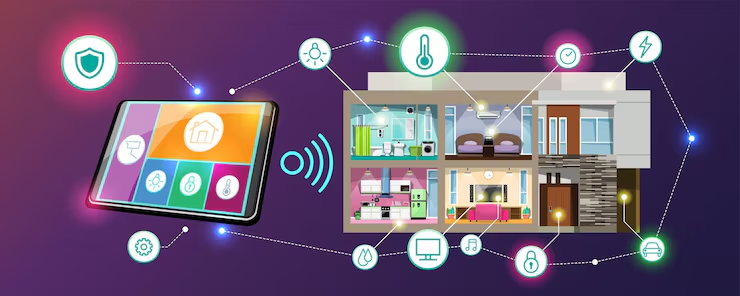
Sensors form the backbone of any smart home security system. They detect changes in the environment and trigger responses before incidents escalate.
Motion Sensors and Their Role
Motion sensors detect movement within defined areas and are critical for intrusion detection. When integrated into a smart home system, they can activate alarms, cameras, and lighting simultaneously.
Door and Window Sensors
These sensors alert homeowners when doors or windows are opened unexpectedly. They are especially useful for monitoring vulnerable entry points and ensuring that your home remains secure when unoccupied.
Environmental Sensors for Added Safety
Beyond intrusion detection, smart home systems can include sensors for smoke, carbon monoxide, and water leaks. These devices protect against hazards that can cause significant damage if left undetected.
Automating Lighting for Security and Deterrence
Lighting plays a crucial role in smart home protection. Automated lighting can deter intruders and enhance visibility during emergencies.
Smart Lighting as a Deterrent
Well-lit properties are less attractive to intruders. Smart home lighting can be programmed to turn on when motion is detected or follow schedules that simulate occupancy, even when you are away.
Integrating Lighting With Security Events
Lighting can be linked to security triggers, such as alarms or camera activation. This integration not only deters threats but also helps occupants respond quickly to unusual activity.
Energy Efficiency and Control
Smart lighting systems offer energy-saving features, allowing homeowners to balance security with efficiency. Remote control and automation ensure lights are used only when needed.
Securing Your Smart Home Network
A smart home is only as secure as the network it relies on. Protecting your digital infrastructure is essential to prevent unauthorized access.
Importance of Strong Network Security
Smart home devices communicate through your home network. Weak security can expose your system to cyber threats. Strong passwords, encryption, and regular updates are fundamental to maintaining protection.
Segmenting Devices on Your Network
Creating separate network segments for smart home devices reduces risk. If one device is compromised, segmentation prevents attackers from accessing other systems or personal data.
Keeping Firmware and Software Updated
Manufacturers release updates to address vulnerabilities and improve performance. Regularly updating your smart home devices ensures they remain secure and function optimally.
Leveraging Automation and Alerts
Automation transforms a collection of devices into an intelligent security system. Alerts ensure you are informed the moment something goes wrong.
Setting Up Smart Alerts
Customizable alerts allow homeowners to receive notifications based on specific events. Whether it is motion detection or unauthorized access, timely alerts enable quick responses.
Creating Security Automation Rules
Automation rules define how your smart home reacts to events. For example, detecting motion at night can trigger lights, start recording, and send an alert simultaneously. These coordinated actions enhance protection without requiring manual intervention.
Balancing Automation and Control
While automation is powerful, it should be balanced with user control. Homeowners should retain the ability to override automated actions when necessary, ensuring flexibility and reliability.
Testing and Maintaining Your Smart Home Security Setup
Ongoing maintenance is essential to ensure your smart home security remains effective over time.
Regular System Testing
Testing sensors, cameras, and alarms helps identify issues before they compromise security. Routine checks ensure all components are functioning as intended.
Reviewing Activity Logs and Footage
Activity logs and recorded footage provide valuable insights into system performance and potential vulnerabilities. Regular reviews help fine-tune settings and improve coverage.
Planning for Future Expansion
As technology evolves, your smart home security system should be adaptable. Planning for future upgrades ensures that your home remains protected against emerging threats.
Common Mistakes to Avoid in Smart Home Setup
Even advanced technology can fall short if implemented incorrectly. Avoiding common mistakes is critical for maximizing protection.
Overlooking Integration
Using devices that do not integrate well can create gaps in security. A cohesive smart home ecosystem ensures that all components work together effectively.
Neglecting Privacy Considerations
Security should not come at the expense of privacy. Proper configuration of cameras and data storage protects personal information while maintaining safety.
Underestimating the Learning Curve
Smart home systems require initial setup and ongoing management. Investing time in understanding your system ensures you can respond effectively to alerts and issues.
The Future of Smart Home Protection
Smart home technology continues to evolve, offering new ways to enhance protection. Artificial intelligence, advanced analytics, and predictive automation are shaping the next generation of home security.
AI and Predictive Security
AI-powered smart home systems can analyze patterns and predict potential threats. This proactive approach allows homeowners to address risks before incidents occur.
Increased Integration Across Devices
Future smart home systems will emphasize deeper integration, creating seamless experiences across security, comfort, and energy management.
Long-Term Value for Homeowners
Investing in a smart home security setup provides long-term value by improving safety, convenience, and property appeal. As adoption grows, these systems are becoming standard rather than optional.
Conclusion
A well-designed smart home setup is one of the most effective ways to boost home protection in today’s connected world. By carefully assessing your needs, selecting compatible devices, and leveraging automation, you can create a security ecosystem that adapts to your lifestyle and responds instantly to potential threats. From smart locks and cameras to sensors and lighting, every component plays a role in safeguarding your home. With proper planning, maintenance, and network security, a smart home not only enhances protection but also delivers lasting peace of mind. Looking for something specific? You’ll find it faster on our homepage.
FAQs
How secure is a smart home security system compared to traditional alarms?
A smart home security system offers significantly more protection than traditional alarms by providing real-time monitoring, automation, and remote access. These features allow homeowners to respond immediately to threats and maintain greater awareness of their property.
Can a smart home setup work without professional installation?
Yes, many smart home security devices are designed for easy self-installation. However, careful planning and regular testing are essential to ensure optimal performance and coverage.
How often should smart home security systems be updated?
Smart home devices should be updated whenever manufacturers release firmware or software updates. Regular updates help address vulnerabilities, improve functionality, and maintain reliable protection.