Understanding Steel Structure Design
Steel structure design forms the backbone of modern architecture and infrastructure. Its significance is paramount, enabling the construction of resilient and sustainable buildings. Engineering advancements have transformed traditional approaches to materials, making the steel structure design more efficient and adaptable for various applications. This article explores essential aspects of steel structure design, highlighting its principles, innovative techniques, challenges, and future trends.
Basics of Steel Structure Design
At its core, steel structure design involves creating frameworks using steel as a primary material. The design process includes understanding the physical properties of steel, load distribution, and ensuring structural integrity under various conditions. Steel's high strength-to-weight ratio allows for slender structures, making it an ideal choice for high-rise buildings and large-span bridges.
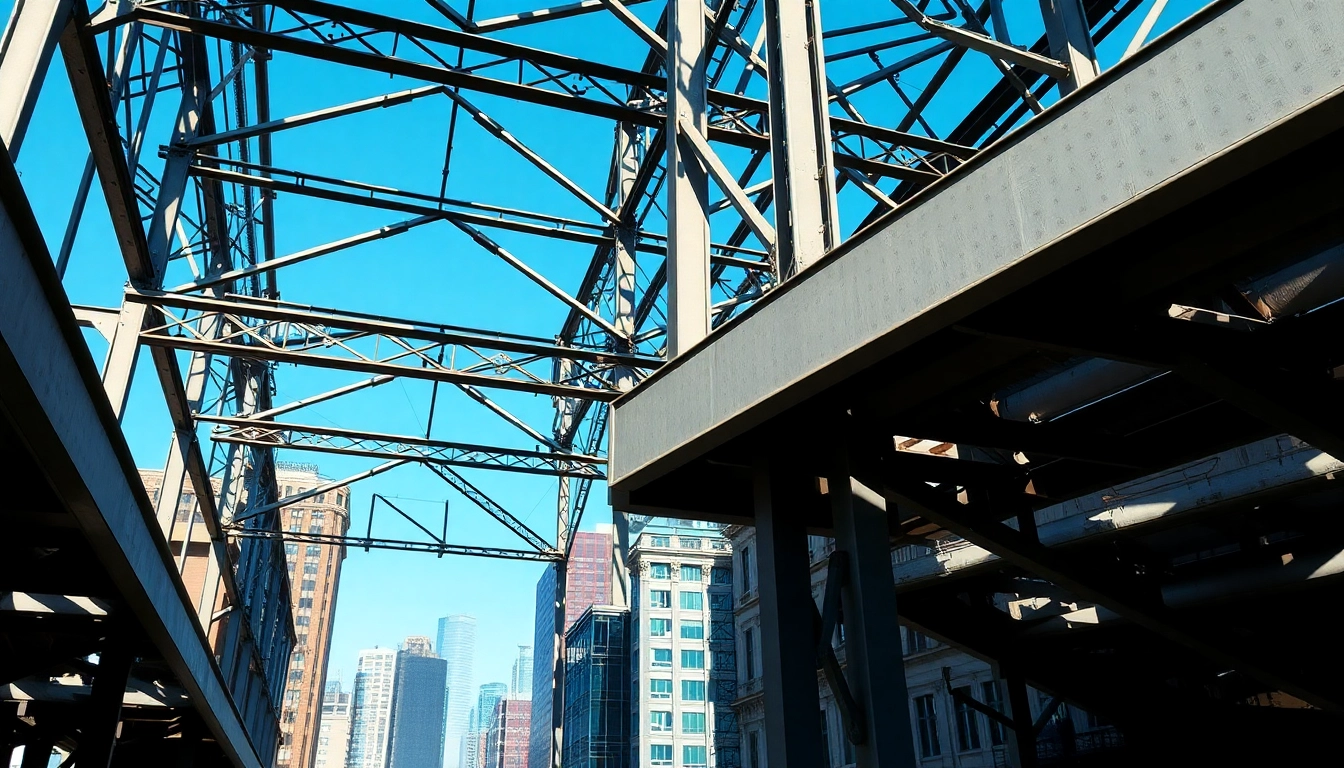
Steel structures consist of various components—beams, columns, and trusses—each designed to withstand specific loads. Structural engineers use advanced software for modeling these elements, allowing for precise calculations and adjustments during the design phase.
Benefits of Steel in Construction
The benefits of utilizing steel in construction are numerous. Steel structures are not only durable but also exhibit excellent resistance to environmental factors such as wind, fire, and seismic activities. Here are some key advantages:
- Strength and Durability: Steel can endure high stress, making it ideal for numerous applications, including bridges and skyscrapers.
- Speed of Construction: Prefabricated steel components can be manufactured off-site and quickly assembled on-site, significantly reducing the construction timeline.
- Cost-Effectiveness: Although initial costs may be high, the long-term benefits and lower maintenance costs often outweigh the initial expenditure.
- Recyclability: Steel is one of the most recyclable materials, contributing to sustainable building practices.
Common Applications of Steel Structures
Steel structures are versatile and utilized in various applications, including:
- Commercial Buildings: Offices and shopping complexes with expansive open spaces benefit greatly from steel frameworks.
- Industrial Warehouses: Steel’s durability and simplicity in design allow for large-scale warehouse constructions.
- Bridges: Steel provides the tensile strength required for long spans and heavy loads, essential for bridge construction.
- Residential Projects: Increasingly, steel is becoming a choice for modern homes, valued for its aesthetic appeal and strength.
Key Principles of Efficient Steel Structure Design
Load-Bearing Considerations
Understanding how loads affect steel structures is crucial for effective design. Engineers must consider dead loads (permanent/static) and live loads (temporary/dynamic) that a structure will experience. This involves detailed calculations to ensure that the steel framework can adequately support these forces throughout its lifespan, considering factors such as material fatigue and deformation.
Material Selection and Quality
Choosing the right type of steel is fundamental to the success of a steel structure design. Various steel grades exist, each suited for different applications based on strength, ductility, and weldability. Quality assurance practices must also be followed during fabrication to ensure each component meets design specifications and standards. Regular inspection and testing during the manufacturing process are essential to verify the integrity of steel components.
Eco-Friendly Design Practices
Sustainable design practices in steel structures are gaining momentum, emphasizing the importance of reducing environmental impact. Employing recycled steel can lessen resource consumption and energy use during production. Additionally, the use of innovative design methodologies such as optimization techniques minimizes material usage while maintaining structural integrity, contributing to a lighter environmental footprint.
Innovative Techniques in Steel Structure Design
Modern Design Technologies
Advancements in technology have revolutionized steel structure design, integrating computer-aided design (CAD) software, building information modeling (BIM), and parametric design tools, allowing for more precise and flexible designs. These technologies enable engineers to visualize complex structures, collaborate from different locations, and simulate performance under varying conditions before construction begins.
Integration of Sustainable Practices
The integration of sustainable practices throughout the design and construction phases of steel structures is crucial. Techniques such as the use of energy-efficient manufacturing processes and the incorporation of renewable energy solutions into the building design not only contribute to sustainability but can also lower operational costs in the long run.
Advanced Engineering Solutions
Innovative engineering solutions, such as hybrid steel-concrete systems and the implementation of seismic-resistant designs, enhance the performance and safety of steel structures. These advanced techniques allow for the maximization of space and resources, addressing specific challenges like extreme weather conditions and seismic risks.
Challenges in Steel Structure Design
Addressing Structural Integrity
Maintaining structural integrity is a paramount concern in steel structure design. Structural engineers must calculate stress factors, account for different load conditions, and consider the material's behavior over time. Implementing robust safety factors in design helps reduce the risk of failure.
Managing Costs Effectively
Cost management is crucial for ensuring project viability. Steel prices can fluctuate based on market conditions, so it is vital for project managers and engineers to monitor material costs, optimize designs to reduce wastage, and explore value engineering options to enhance cost-effectiveness.
Compliance with Building Codes
Adhering to local and national building codes is essential in designing safe and viable steel structures. These codes outline the necessary standards for structural integrity, safety, and energy efficiency, and non-compliance can lead to severe consequences including penalties and project delays. Engineers must stay updated with regulatory changes to ensure all designs meet required specifications.
Future Trends in Steel Structure Design
Emerging Design Trends
The future of steel structure design is shaping up to embrace innovative trends such as modular construction techniques that allow for off-site manufacturing, reducing on-site construction time and improving efficiency. Designs are also becoming more aesthetic-focused, integrating steel with other materials to enhance visual appeal.
Smart Construction Integration
Smart technologies, including IoT sensors and AI, are making their way into the construction sector, providing data-driven insights that can enhance decision-making processes regarding steel structure design. This integration fosters real-time monitoring and predictive maintenance, extending the lifespan of steel structures.
Global Sustainability Goals in Design
As global emphasis on sustainability intensifies, the steel industry is evolving to align with these objectives. Striving for more environmentally friendly production processes, steel structure designs will increasingly incorporate sustainable practices, reducing waste, energy consumption, and the overall carbon footprint.
Frequently Asked Questions
What is steel structure design?
Steel structure design involves creating building frameworks using steel, focusing on strength, stability, and aesthetic appeal while considering loads and environmental factors.
What are the benefits of using steel in construction?
Steel is durable, cost-effective, recyclable, and allows for faster construction. Its strength enables the creation of large, open spaces without compromising structural integrity.
What are common applications of steel structures?
Steel is commonly used in commercial buildings, warehouses, bridges, and increasingly in residential projects, offering design flexibility and strength.
How do innovation and technology influence steel structure design?
Modern technologies like CAD and BIM streamline the design process, allowing for precise modeling and collaboration, ultimately enhancing structural performance and efficiency.
What challenges do engineers face in steel structure design?
Engineers must address structural integrity, manage costs effectively, and ensure compliance with building codes to create safe and efficient steel structures.