
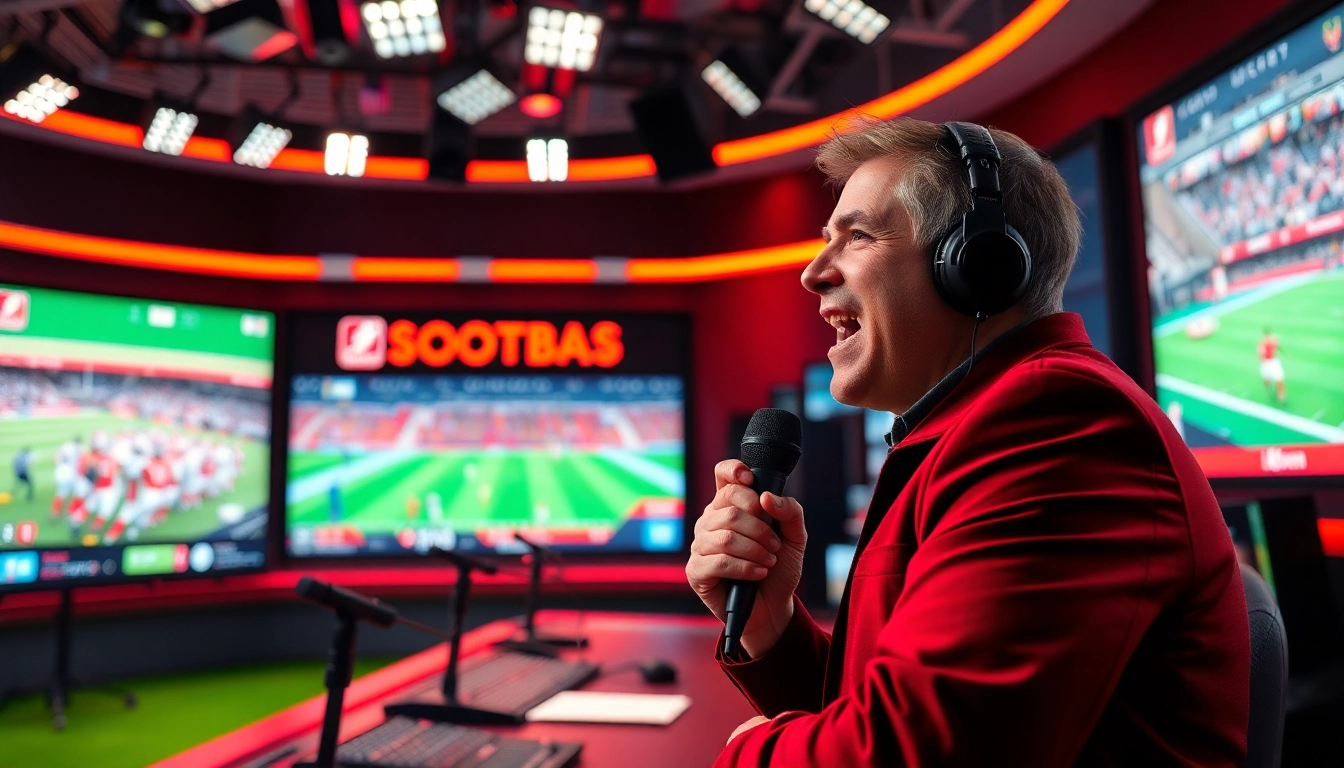
Understanding Sports Broadcasting
Definition and Importance of Sports Broadcasting
Sports broadcasting refers to the live transmission of sports events through television, radio, or digital platforms. This practice has transformed the way fans engage with their favorite sports, allowing audiences to experience games in real-time from the comfort of their homes. The significance of Sports Broadcasting lies not only in its ability to entertain but also in its role as a catalyst for economic growth, community engagement, and cultural exchange. Through sports broadcasting, stories unfold, athletes shine, and fans unite, fostering a sense of belonging and excitement that transcends geographic boundaries.
Key Roles in Sports Broadcasting
The sports broadcasting industry encompasses a diverse range of roles, each vital for delivering the highest quality experience to viewers. From producers who orchestrate the overall flow of a program to commentators who provide insights and color to the events on screen, each role contributes uniquely. Camera operators capture the action, while the technical crew ensures that broadcasts remain seamless and engaging. Additionally, analysts and sports journalists provide context and depth, helping fans to better understand the intricacies of the game. Together, these roles create an environment where sports can thrive and captivate audiences worldwide.
Evolution of Sports Broadcasting
Sports broadcasting has undergone radical changes since its inception. Initially, radio broadcasts brought live sports to an eager audience, followed by the transition to television, which allowed for a more immersive viewing experience. The advent of cable and satellite television further expanded access to sports programming, enabling dedicated sports channels to emerge. In recent years, the rise of the internet and mobile technologies has ushered in the era of streaming platforms, giving fans greater flexibility and variety in how they consume sports content. This evolution highlights how advancements in technology continue to shape the landscape of sports broadcasting, matching the evolving demands of audiences.
Technical Aspects of Sports Broadcasting
Equipment Used in Sports Broadcasting
At the heart of sports broadcasting is an array of sophisticated equipment designed to capture high-quality audio and visual content. Key pieces of equipment include cameras (both stationary and mobile) capable of high-definition and 4K resolution, electronic scoreboards, microphones, and audio mixers that ensure clarity in commentary. Additionally, graphics generators are essential for producing real-time stats and updates that enhance the viewing experience. With the continuous advancement of technology, sports broadcasters now often incorporate drones for aerial shots, enhancing the visual storytelling of live sports.
Live Streaming and Broadcast Technologies
The landscape of live streaming and broadcast technologies has transformed sports broadcasting. Technologies such as HD and 4K streaming, adaptive bitrate streaming, and cloud computing have improved the efficiency and quality of broadcasts. Additionally, satellite and fiber-optic transmission allow for real-time broadcasting over long distances, vastly improving reliability. With the rise of OTT (Over-The-Top) services like ESPN+, many sports networks are now exploring hybrid broadcasting strategies that incorporate traditional broadcasting with advanced digital delivery methods.
Audio and Visual Quality Considerations
High audio and visual quality is paramount in sports broadcasting. The crisp clarity of sound is essential for a compelling sports experience, ensuring that viewers don't miss a single moment of the commentary. Visual quality must also meet high standards, as poor graphics or grainy images can detract from the event. Sports networks invest heavily in technology to ensure that both audio and visual elements are optimized for every broadcast, using techniques like multi-camera setups and advanced sound design to enhance the overall viewer experience.
Crafting Compelling Content in Sports Broadcasting
Storytelling Techniques for Sports Broadcasting
Storytelling is an integral part of sports broadcasting that goes beyond merely narrating events. Effective storytelling involves weaving athlete backgrounds, team journeys, and rivalries into the broadcast, creating a narrative that resonates with viewers. Techniques include using dramatic pauses, varied tone and pacing, and incorporating personal anecdotes to create emotional engagement. For instance, during crucial moments, commentators might share uplifting stories of resilience or underscore the significance of the game to build anticipation and excitement.
Interviews and Guest Appearances
Interviews and guest appearances are valuable tools for broadcasters looking to enrich their sports coverage. Engaging athletes, coaches, and sports analysts can offer unique perspectives and insights, adding depth to the narrative. These interviews can occur live during broadcasts or be pre-recorded segments, providing viewers with an inside look at the thoughts and emotions behind the game. Moreover, bringing in celebrities or former athletes as guests can elevate production value and draw in a broader audience, contributing to the overall success of the broadcast.
Engagement Strategies with the Audience
To foster a loyal audience, broadcasters must implement effective engagement strategies. Utilizing social media platforms allows viewers to interact in real-time, with broadcasters responding to audience comments or questions. Polls, Q&A sessions, and fan contests can enhance viewer participation and create a sense of community. Additionally, broadcasters can leverage user-generated content by encouraging fans to share their experiences or reactions during games, allowing for a more interactive and immersive viewing experience while reinforcing the connection between the audience and the sport.
Challenges in Sports Broadcasting
Adapting to Technological Changes
The rapid pace of technological advancements presents both opportunities and challenges to sports broadcasters. Staying ahead of new technologies, such as virtual reality and artificial intelligence, requires ongoing investment and adaptation. Broadcasters must continually analyze emerging trends to leverage new tools that enhance viewer engagement without overwhelming audiences. Investing in training for staff can ensure they are equipped with the necessary skills to navigate these evolving technologies effectively, enabling broadcasters to maintain a competitive edge in an ever-changing landscape.
Maintaining Ethical Standards
Ethical considerations are paramount in sports broadcasting. Broadcasters must uphold accuracy and integrity in reporting, while also being sensitive to issues of bias, privacy, and representation. Ensuring diversity in commentary and analysis fosters a more inclusive environment for all viewers. Additionally, balancing commercial interests with responsible journalism can be challenging but is crucial for maintaining audience trust and credibility. Establishing clear ethical guidelines and training staff in best practices can help mitigate these challenges.
Handling Controversies in Sports
Controversies in sports, whether due to performance enhancing drugs, social issues, or on-field incidents, can complicate sports broadcasting significantly. Broadcasters must handle these sensitively, providing factual reporting without sensationalism. It is important to contextualize controversies with expert analysis while allowing space for various perspectives. Transparency about the broadcasting entity's position on issues can help maintain credibility. Furthermore, continual engagement with viewers during such times ensures that audience concerns are acknowledged and addressed appropriately.
Future Trends in Sports Broadcasting
Impact of Social Media on Sports Broadcasting
Social media platforms are revolutionizing the way sports content is shared and consumed. Broadcasters are increasingly using these platforms to distribute highlights, engage with fans, and provide behind-the-scenes content. Real-time updates through platforms like Twitter or Instagram complement traditional broadcasts, enhancing fan engagement and creating buzz around events. This dual approach not only helps keep audiences informed but also increases viewership as fans are encouraged to tune in to broadcasts after experiencing engaging pre-event content online.
Virtual Reality and Augmented Reality Enhancements
Virtual reality (VR) and augmented reality (AR) are making waves in sports broadcasting by offering fans immersive experiences. VR technology can simulate the sensation of being at the game, giving viewers unique perspectives and a sense of engagement that traditional apps cannot achieve. AR, on the other hand, enhances broadcasts with on-screen graphics that can display player stats or game analytics seamlessly integrated into the live-action. As these technologies develop, they promise to redefine how audiences connect with sports content.
Data Analytics in Sports Broadcasting
Data analytics plays an increasingly vital role in sports broadcasting. By leveraging analytics, broadcasters can enhance storytelling and deliver in-depth insights about player performance, team strategies, and game dynamics. This data-driven approach not only appeals to fans looking for a deeper understanding of sports but also enables networks to tailor content to specific audience segments. As technology improves, the ability to analyze and effectively present data will continue to be a key differentiator in the competitive landscape of sports broadcasting.
FAQs About Sports Broadcasting
What is sports broadcasting?
Sports broadcasting is the live transmission of sports events via television, radio, or online platforms, offering audiences real-time access to games and sporting events.
What roles are important in sports broadcasting?
Key roles include commentators, producers, camera operators, technical crews, and analysts, all of which contribute to a high-quality broadcast experience.
How has technology changed sports broadcasting?
Technology has evolved from radio and television to advanced digital platforms that include streaming options and enhanced viewing experiences using VR and AR technologies.
What are the challenges in sports broadcasting?
Challenges include adapting to rapid technological changes, maintaining ethical standards, and effectively handling controversies surrounding sports events.
How does social media impact sports broadcasting?
Social media enhances audience engagement by providing real-time updates, highlight reels, and behind-the-scenes content, fostering a deeper connection with fans.