
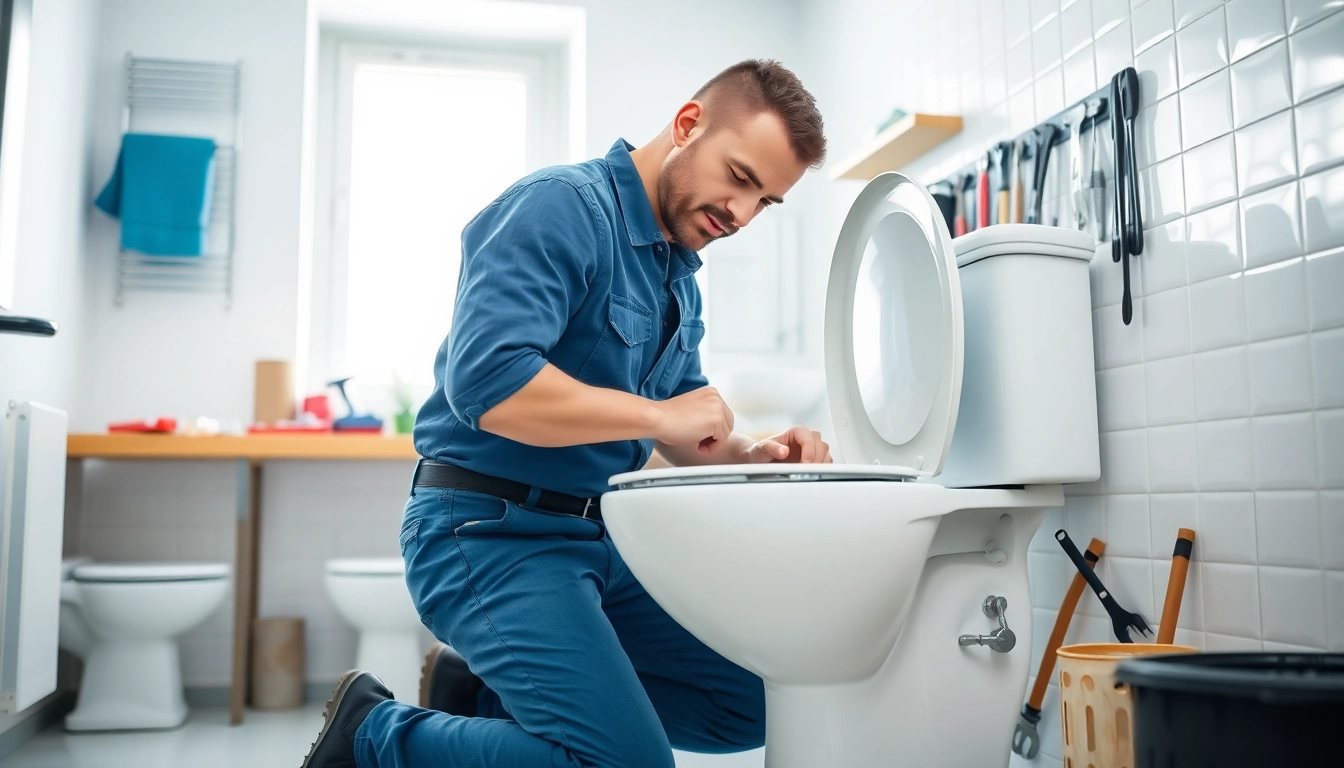
Understanding the Basics of Toilet Repair
The toilet is a vital fixture in any home, contributing to hygiene and comfort. Unfortunately, like any mechanical system, toilets can experience issues. Understanding toilet repair basics can save time, money, and prevent extensive damage. This section dives into common issues, the importance of maintenance, and the tools necessary for effective repairs.
Common Toilet Repair Issues
Toilets, while generally durable, are prone to a variety of issues, including:
- Running Toilets: Continuous filling often signifies a malfunctioning flapper or fill valve.
- Leaks: Water pooling around the base or inside the tank can indicate a need for gasket replacement or faulty supply lines.
- Clogs: Blockages can stem from various materials, leading to slow drainage or overflow.
- Weak Flushes: Inadequate flushing can result from a worn-out flapper, fill valve, or insufficient water in the tank.
Importance of Regular Maintenance
Regular maintenance not only extends the life of your toilet but also enhances its performance. Checking for leaks, ensuring the flapper seals well, and cleaning components can prevent major failures. Ignoring these simple checks can lead to water wastage and increased utility bills.
Tools Needed for Toilet Repair
Before starting any repair work, having the right tools is essential. Basic tools required for most toilet repairs include:
- Adjustable Wrench: For loosening and tightening fittings.
- Screwdriver: Both flat-head and Phillips for various screws.
- Plumber's Tape: For sealing pipe connections and preventing leaks.
- Plunger: A must-have for addressing clogs.
- Toilet Repair Kit: Most kits include a flapper, fill valve, and other parts for common repairs.
Step-by-Step Guide to Fixing Common Problems
Equipped with knowledge and tools, you are ready to tackle common toilet issues. Here’s a step-by-step guide to address the most frequent problems.
How to Address a Running Toilet
A running toilet is not only annoying but can waste a significant amount of water. Follow these steps to troubleshoot and fix the issue:
- Inspect the flapper: Open the toilet tank and check the flapper for wear or misalignment.
- Adjust the chain: If the chain is too tight or too loose, adjust it to ensure proper closure of the flapper.
- Test the fill valve: If the flapper is functioning, inspect the fill valve and replace it if necessary.
Fixing Leaks in Toilet Tanks
Leaks can be a sign of serious plumbing issues. Here’s how to address leaks inside the tank:
- Examine the connections: Use a wrench to check all connections for tightness.
- Replace worn gaskets: Remove the tank from the bowl and replace any worn washers or gaskets.
- Check the flush valve: Ensure that the flush valve seals completely; replace if it is damaged.
Replacing Toilet Flappers and Fill Valves
Eventually, flappers and fill valves will need to be replaced. This process can help restore proper function:
- Shut off the water supply: Turn the valve clockwise to stop the water.
- Remove the old flapper or fill valve: Disconnect it according to the manufacturer’s instructions.
- Install the new component: Follow the instructions provided, ensuring all connections are secure.
- Turn the water back on: Check for leaks and ensure everything operates smoothly.
When to DIY and When to Call a Professional
While many toilet repairs can be handled by the average homeowner, some situations call for professional expertise.
Identifying Simple Repairs
Simple repairs such as fixing a flapper, unclogging a toilet, or replacing a fill valve are typically within the realm of DIY projects. Homeowners can save money while gaining valuable repair skills by tackling these issues themselves.
Complex Issues Requiring Expert Help
Complex problems such as extensive leaks, sewer line issues, or complete toilet replacement often require professional insight. These situations can involve multiple plumbing systems and may lead to significant damage if mishandled.
Cost Considerations for Toilet Repair
When deciding between DIY and hiring a professional, consider the cost involved. Simple projects might just require the purchase of parts, which can range from $10 to $50, while professional repairs can average between $100 to $300 depending on the severity of the issue.
Preventive Measures for Toilet Longevity
Just as with any home fixture, preventive measures can extend the life and performance of a toilet. Here are various tips for keeping your toilet in top shape.
Regular Cleaning Techniques
Keeping the toilet clean can prevent issues like clogs and corrosion. Use a non-abrasive cleaner on the bowl and regularly check the tank and components for buildup. Avoid pouring harsh chemicals, as they can damage internal parts.
Signs of Trouble to Watch For
Being vigilant about your toilet can help catch issues early. Signs to watch for include:
- Unusual noises, such as gurgling or hissing.
- Constantly running water or unexpected pooling around the base.
- Water levels in the tank that fluctuate unexpectedly.
Best Practices for Toilet Usage
To ensure your toilet remains in excellent working order, adhere to the following best practices:
- Avoid flushing items that don’t dissolve, such as wipes and feminine products.
- Teach children proper toilet etiquette to minimize accidental damage.
- Don’t hesitate to replace worn parts before they lead to bigger issues.
Frequently Asked Questions about Toilet Repair
How do I know if my toilet needs repairs?
If you experience constant running, clogs, leaks, or weak flushes, it's time to consider repairs. Keeping an eye on water usage can also signal hidden issues.
What tools are essential for toilet repair?
Essential tools include an adjustable wrench, screwdriver, plumber's tape, plunger, and a toilet repair kit, which can simplify much of the work.
Can I fix a toilet leak myself?
Yes, many toilet leaks can be fixed by homeowners. Simple adjustments to connections or replacing gaskets can often solve the issue without professional help.
How often should I perform toilet maintenance?
Routine checks should be done every few months. Look for signs of wear and clean components to prevent minor issues from escalating.
What are signs of a faulty flush valve?
Signs include a constantly running toilet, slow bowl filling, or time-consuming flushes. Inspection of the flush mechanism is advised for further diagnosis.