
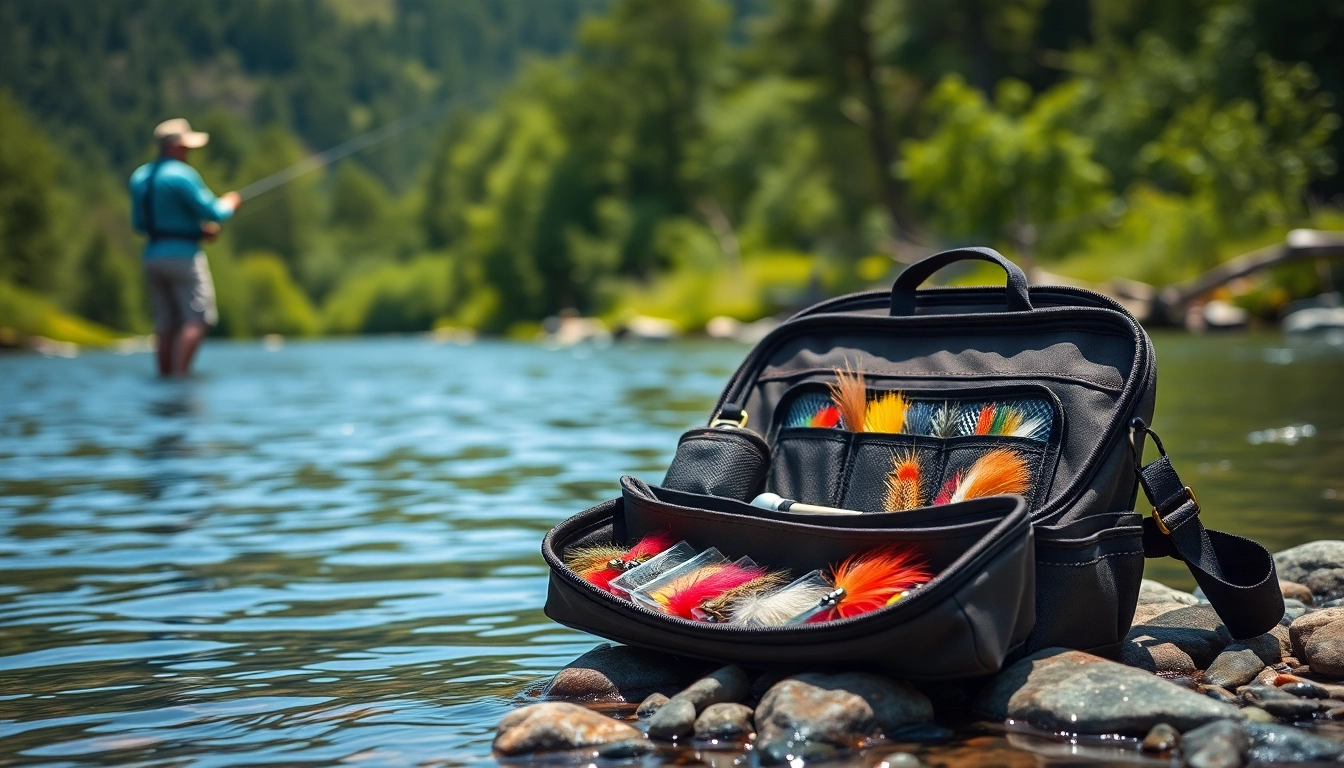
Understanding the Importance of a Fly Fishing Bag
When embarking on a fly fishing adventure, anglers often find themselves at a crossroads regarding gear organization and accessibility. A well-structured Fly fishing bag plays a pivotal role in ensuring that every essential tool is within reach, allowing for an effortless fishing experience. The strategic use of a fly fishing bag not only organizes tackle and gear but also influences comfort and efficiency during outings.
Functionality of Fly Fishing Bag
The primary function of a fly fishing bag is to provide anglers with an organized method to carry and store their fishing gear. Unlike regular bags, a fly fishing bag is designed specifically to accommodate the specific needs of fly fishing enthusiasts. This includes compartments for flies, tippets, leaders, tools, and even snacks for those long hours on the water. The right bag reduces the time spent rummaging through pockets and compartments so that anglers can focus on what truly matters: fishing. Efficient layout options transform how an angler navigates their equipment. For example, bags with easy-access pockets keep frequently-used items at hand, while larger compartments store bulkier equipment. This kind of functionality ultimately enhances overall fishing efficiency.
Common Materials Used
The materials used in crafting fly fishing bags hugely impact their durability and usability. Most high-quality bags incorporate weather-resistant fabrics like nylon or polyester, which protect gear from moisture and weather conditions. Additionally, reinforced stitching is essential for longevity, especially in high-stress areas such as zippers and straps. Many bags also employ water-resistant coatings or treatments that provide an extra layer of protection to the contents inside. Familiarizing yourself with these materials can help you choose a bag that withstands the rigors of various fishing environments.
How Size Affects Usability
Size is a critical factor in usability when it comes to a fly fishing bag. Various sizes cater to different fishing styles—whether it's a minimalistic approach with just a few essentials or a more extensive haul for a weekend trip. A compact bag allows for easy movement and access to gear but may not accommodate all necessary items for extended sessions on the water. Conversely, larger bags might offer superior storage options but at the cost of mobility. Understanding your specific needs can inform your choice regarding size—whether it's a small hip pack or a large backpack.
Key Features to Look for in a Fly Fishing Bag
When selecting the ideal fly fishing bag, several key features should guide your choices, ensuring it meets your fishing adventures efficiently.
Storage Solutions and Organization
The organization is fundamental to a well-designed fly fishing bag. Look for features like multiple compartments, adjustable dividers, and external attachment points. These elements offer flexibility in organizing your gear while enabling quick access. Integrated tackle boxes are a beneficial feature in many fly fishing bags, ensuring tiny items don't get lost. It is also advantageous to consider specialized pockets for items like fishing licenses or electronics, making sure everything you require is in one convenient location.
Comfort and Ergonomics
Comfort should not be overlooked when choosing a fly fishing bag. After all, long hours on the water can take a toll on the body. Ergonomically designed straps, padded backs, and adjustable features ensure that your bag accommodates your unique body shape and size. Additionally, weight distribution is an essential consideration—properly balancing the load can alleviate strain and allow for a more enjoyable fishing experience. Ultimately, prioritize bags that promise comfort for all-day wear.
Water Resistance and Durability
The nature of fishing necessitates durability and water resistance in a fly fishing bag. Investing in a bag made from waterproof materials will keep your gear dry even in adverse weather. Check for reinforced seams and heavy-duty zippers, as these areas are often the weakest points on any bag. Using a durable, well-constructed fly fishing bag enables peace of mind while navigating through wet areas, be it rain or water splashes. A quality bag will endure years of harsh conditions, making them crucial in your fishing adventures.
Popular Styles of Fly Fishing Bag
As the fly fishing community has grown, various styles of fly fishing bags have emerged, each catering to distinct preferences and fishing conditions.
Backpacks vs. Sling Bags
Backpacks are excellent for anglers who prefer to carry a substantial amount of gear. Their balanced design allows for decent weight distribution across both shoulders, making them suitable for longer treks. Many backpacks also come with additional features such as hydration reservoirs which can be beneficial for hot days on the water. Hippie sling bags, on the other hand, cater to an on-the-go fishing style that enjoys short trips and a minimalist approach. They are often easier to access and can be shifted from back to front with minimal effort, allowing for quick retrieval of fishing essentials.
Waist Bags and Hip Packs
Waist bags and hip packs are gaining popularity for their streamlined nature. These bags come in handy for quick trips where mobility and compactness are essential. Their worn position provides ease of access, making them a favorite among anglers who value convenience above extensive storage.
Choosing a Chest Pack
Chest packs are designed for anglers who prefer a hands-free approach while keeping their essentials within close proximity. These packs sit comfortably on the chest and are often suitable for shorter fishing excursions. Their layout supports easy access to tools and flies, eliminating the hassle of reaching behind or searching through pockets.
Maintenance Tips for Your Fly Fishing Bag
Regular maintenance of your fly fishing bag is essential to prolong its life and functionality. Here are a few valuable maintenance tips to keep your bag in top shape.
Cleaning After Each Trip
Each fishing trip accumulates dirt, debris, and moisture in your bag. Cleaning it after every outing should be a standard practice. Use mild soap and warm water to wipe down the exterior. Pay special attention to zippers and straps, as dirt can cause them to stiffen or malfunction.
Proper Storage Techniques
Proper storage ensures your bag remains in optimal condition during periods of non-use. Store your bag in a cool, dry place away from direct sunlight. Ensure all compartments are empty to prevent moisture buildup, which can lead to mold or unpleasant odors over time.
Repairing Minor Damages
Address any damages promptly to avoid further deterioration. For small tears, consider patch kits specific for outdoor gear or visit a professional repair service if the damage is more significant. By fixing minor issues quickly, you maintain the integrity of your fly fishing bag.
Maximizing Your Fishing Trips with the Right Fly Fishing Bag
The right fly fishing bag can significantly enhance your fishing experience, making each trip more enjoyable and productive. Below are some actionable strategies for maximizing the benefits of your fly fishing bag.
Packing Essentials for Your Bag
Identify must-have items tailored to your fishing conditions. Essentials include flies, tippets, leaders, nippers, floatant, and a first aid kit. Consider packing extra layers or a rain jacket if the weather is unpredictable, and remember snacks and hydration supplies for long days on the water.
Pre-trip Checklist for Fly Fishing
Before setting out on your fishing excursion, create a checklist of necesities to ensure nothing is forgotten. Items like licenses, maps, bait, and even your favorite fishing hat can easily be overlooked. A quick run-through of your checklist allows you to enjoy a worry-free fishing day.
Tips for Using Your Fly Fishing Bag Efficiently
Organize your bag systematically so that frequently used items are easily accessible while ensuring essential gear is protected and secure. Color coding items or utilizing various compartments for distinct gear types can save time. Additionally, practice an efficient retrieval process to minimize distraction during your fishing.