
Anxiety is a common emotional experience that everyone faces at some point in their life. It is more than just occasional worry or stress. Understanding Anxiety symptoms and their physical signs is crucial for managing your mental health and maintaining emotional well-being. In this article, we will explore the different types of anxiety, how to identify its symptoms, and practical ways to manage them.
What Is Anxiety?
Anxiety is a natural response to stress or perceived danger. It prepares the body for a “fight or flight” reaction. While some anxiety is normal and even helpful, excessive anxiety can interfere with daily life. Recognizing anxiety symptoms early allows you to take action and seek help when necessary.
Types of Anxiety
- Generalized Anxiety Disorder (GAD):This involves persistent, excessive worry about everyday events, often without a clear reason.
- Social Anxiety:Intense fear of social situations, often leading to avoidance of interactions.
- Panic Disorder:Sudden, severe anxiety episodes called panic attacks, accompanied by physical symptoms like a racing heart.
- Phobias:Extreme fear of specific objects, situations, or activities.
- Separation Anxiety:Anxiety experienced when away from a loved one or familiar environment.
Common Anxiety Symptoms
Anxiety affects both the mind and body. Being aware of these anxiety symptoms can help you understand your mental health better.
Emotional Symptoms
- Persistent worry or fear that feels out of proportion
- Irritability or agitation without a clear reason
- Difficulty concentrating or feeling “on edge”
- Feeling restless or unable to relax
- Overthinking small problems and imagining worst-case scenarios
Physical Symptoms
Anxiety often manifests physically, which can sometimes be mistaken for other health issues. Common physical signs include:
- Rapid heartbeat or palpitations
- Shortness of breath or hyperventilation
- Muscle tension, especially in the neck and shoulders
- Headaches or migraines
- Stomach problems like nausea, diarrhea, or stomach cramps
- Sweating or trembling
- Fatigue or low energy
- Sleep disturbances, such as difficulty falling asleep or frequent waking
Behavioral Symptoms
- Avoiding situations that trigger anxiety
- Procrastination or difficulty completing tasks
- Increased reliance on substances like caffeine, alcohol, or nicotine to cope
- Restless behaviors like pacing, fidgeting, or nail-biting
How Anxiety Affects Daily Life
Understanding anxiety symptoms is important because they can impact multiple areas of life:
- Work or School: Difficulty focusing, missed deadlines, or reduced productivity
- Relationships: Increased conflict, withdrawal from social interactions, or trouble communicating
- Physical Health: Chronic stress can lead to high blood pressure, heart problems, or weakened immunity
- Mental Health: Persistent anxiety can contribute to depression, panic attacks, or burnout
Real-life example: Sarah, a high school student, noticed that her anxiety symptoms included racing thoughts and frequent stomachaches before exams. Identifying these signs helped her implement stress-management techniques, which improved her school performance and emotional well-being.
Causes of Anxiety
Anxiety does not have a single cause. It usually arises from a combination of factors:
- Genetics: Family history of anxiety or mental health disorders
- Brain Chemistry: Imbalance in neurotransmitters like serotonin and dopamine
- Stressful Life Events: Trauma, loss, or major changes in life
- Lifestyle Factors: Poor sleep, unhealthy diet, excessive caffeine, or lack of exercise
- Medical Conditions: Thyroid issues, heart disease, or chronic pain can trigger anxiety
Identifying Anxiety Early
Recognizing anxiety symptoms early is key to managing them effectively. Some strategies include:
- Keeping a journal of feelings, thoughts, and physical reactions
- Noticing patterns in triggers and responses
- Consulting a healthcare professional if anxiety interferes with daily life
Coping With Anxiety
While professional help is sometimes necessary, lifestyle changes can significantly reduce anxiety:
Mindfulness and Meditation
Practicing mindfulness helps calm the mind and reduces excessive worry. Meditation encourages awareness of the present moment and lessens negative thinking patterns.
Physical Activity
Exercise releases endorphins, which improve mood and reduce tension. Even a daily 20-minute walk can help manage anxiety.
Healthy Lifestyle Habits
- Maintaining a balanced diet
- Getting enough sleep
- Limiting caffeine, alcohol, and nicotine
- Practicing relaxation techniques like deep breathing or yoga
Social Support
Talking to friends, family, or support groups provides emotional relief. Sharing your experiences can reduce the feeling of isolation.
Professional Help
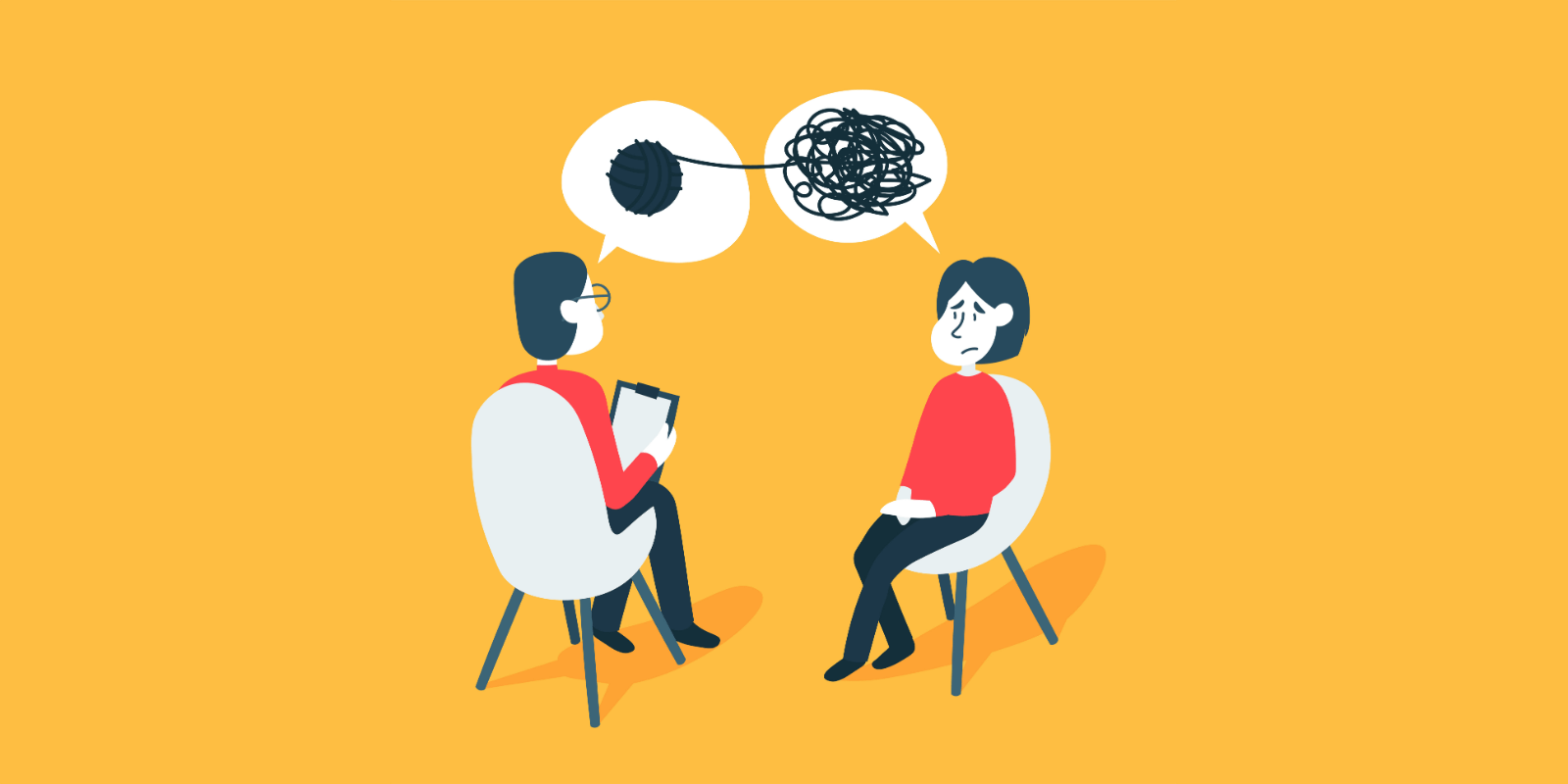
Therapists can provide tools like cognitive-behavioral therapy (CBT) to challenge negative thoughts. In some cases, medication may be prescribed to regulate mood and anxiety levels.
Real-Life Case Study
John, a 30-year-old office worker, experienced chronic anxiety symptoms like sleepless nights, frequent headaches, and irritability. By combining mindfulness practices, regular exercise, and therapy sessions, he managed to reduce his anxiety and regain focus at work. This example illustrates how recognizing anxiety symptoms and taking early action can prevent long-term consequences.
When to Seek Help
You should seek professional support if:
- Anxiety interferes with daily functioning
- Panic attacks occur frequently
- Symptoms persist for more than six months
- You experience thoughts of self-harm or hopelessness
Early intervention can prevent more serious mental health issues and improve overall quality of life.
Preventing Anxiety
While it may not be possible to eliminate anxiety completely, certain steps can reduce its impact:
- Practice daily relaxation techniques
- Develop a consistent sleep routine
- Engage in regular physical activity
- Build supportive social networks
- Limit exposure to stressors when possible
Conclusion
Understanding anxiety symptoms and their physical signs is essential for emotional health and overall well-being. Early recognition, lifestyle changes, mindfulness practices, and professional help can all contribute to managing anxiety effectively. By paying attention to both emotional and physical cues, you can take proactive steps toward a calmer, healthier life. Remember, acknowledging anxiety is not a weakness—it is the first step toward self-care and resilience. Tap into deeper knowledge by returning to our core platform homepage.
FAQs
What are the most common anxiety symptoms?
Common anxiety symptoms include persistent worry, irritability, difficulty concentrating, rapid heartbeat, muscle tension, and sleep disturbances. Physical signs like nausea, sweating, or headaches may also appear.
How can I differentiate normal worry from anxiety?
Normal worry is usually temporary and specific to a situation. Anxiety involves persistent, excessive worry that affects daily functioning and may include physical symptoms like rapid heartbeat, fatigue, and restlessness.
Can lifestyle changes reduce anxiety symptoms?
Yes. Lifestyle adjustments such as regular exercise, healthy sleep, mindfulness, balanced nutrition, and reducing caffeine or alcohol intake can significantly reduce anxiety symptoms and improve emotional well-being.