
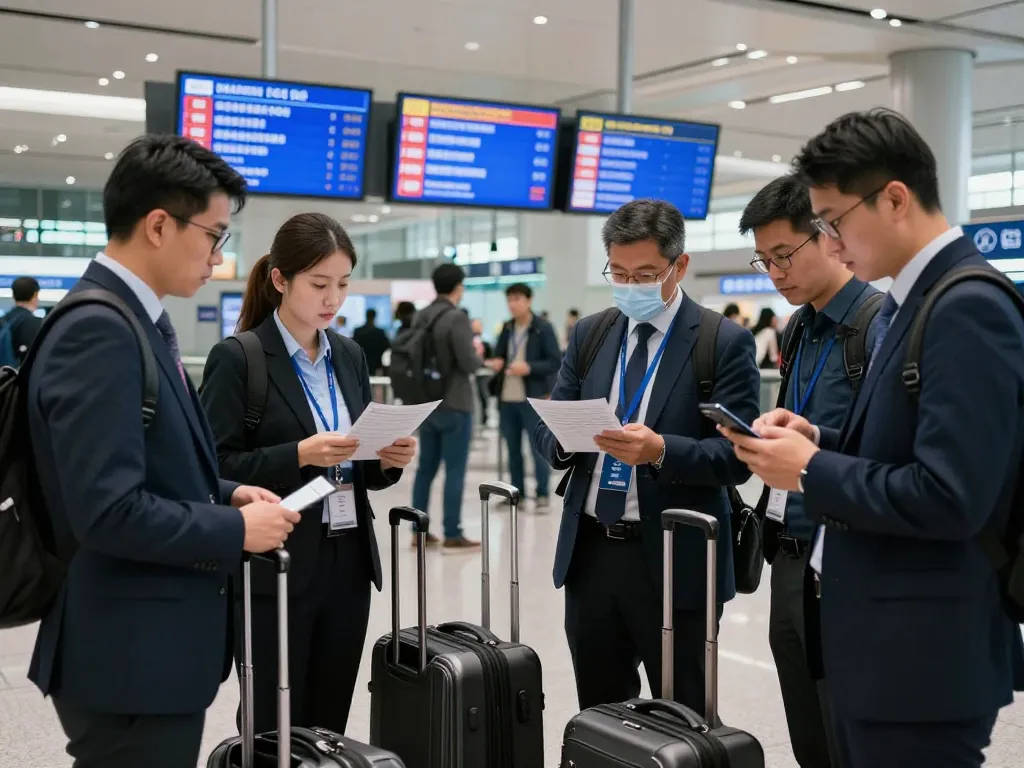
Essential Insights on the 2026 Global Security Alert for Travelers
Understanding the Global Security Alert
In today’s ever-evolving world, security concerns have reached a level that necessitates constant vigilance. A Global Security Alert serves as a critical warning that impacts individuals, organizations, and governments alike. This alert signifies the need for heightened awareness regarding potential risks, whether related to natural disasters, geopolitical tensions, or terrorist threats. Understanding what a Global Security Alert entails and its implications on travel and safety is crucial for anyone navigating through these turbulent times.
What is a Global Security Alert?
A Global Security Alert is an official notification issued by government entities, primarily designed to inform citizens about imminent threats that could affect their safety. These alerts can cover a wide range of issues, from travel advisories related to external conflicts to warnings about natural disasters. The primary aim is to ensure that individuals are aware of potential dangers and are equipped to respond appropriately.
Historical Context of Global Security Alerts
The concept of security alerts is not new but has evolved significantly over the decades. Historical events, such as the September 11 attacks in the United States, highlighted the need for governments to communicate risks effectively. Since then, countries have developed more comprehensive frameworks to issue alerts promptly. Over the years, we’ve seen alerts issued in response to civil unrest, global pandemics, and even technological threats, underscoring the complex nature of modern security.
The Importance of Staying Informed
Remaining informed about the global security landscape is essential for personal safety and decision-making. An alert can serve as a wake-up call, prompting individuals to reconsider their travel plans or take additional precautions to secure their homes and families. Regularly checking updates from official sources, such as the U.S. Department of State or other governmental advisory bodies, can significantly enhance one’s preparedness to deal with emerging threats.
Current Global Security Climate
The global security environment is increasingly precarious, influenced by a myriad of factors. Understanding the current climate provides valuable insight into potential risks travelers may face.
Recent Developments and Alerts
As of early 2026, numerous global security alerts have been issued, primarily due to increasing geopolitical tensions. For instance, the recent conflict in various regions has triggered travel advisories, warning individuals about disruptions and safety concerns. Reports indicate that travelers could experience significant delays and changes in air travel operations as a result of these conflicts.
High-Risk Regions for 2026
Identifying high-risk regions is crucial for travelers planning international trips. Countries like Afghanistan, Iraq, and parts of West Africa remain on alert status, often categorized as Level 4: Do Not Travel. As the dynamics change, regions such as Eastern Europe may also see shifts in their security status, emphasizing the need for constant updates and vigilance in travel planning.
Political Factors Influencing Security Alerts
Political instability significantly impacts global security alerts. From internal conflicts to international disputes, the political landscape can change rapidly, affecting safety perceptions and travel advisories. Such factors necessitate that travelers remain acutely aware of the political context of their destination. Engaging with local news and updates can provide insight into how these factors may impact safety and security.
Traveling Safely During a Security Alert
Traveling during a Global Security Alert presents unique challenges and risks. However, with the right precautions, travelers can minimize their risks and ensure safer journeys.
Precautionary Measures for Travelers
When faced with a Global Security Alert, travelers should take several precautionary measures:
- Register with local embassies to receive updates.
- Stay connected with friends and family about travel plans.
- Monitor local news for changes in the security landscape.
- Ensure that all travel insurance policies are up to date.
By following these measures, travelers can enhance their safety and preparedness during unpredictable situations.
Tips for Navigating Airports and Borders
Airports and borders are critical points of vulnerability during security alerts. Travelers should:
- Arrive early to accommodate potential delays and increased security checks.
- Follow all guidance from airline and airport staff regarding safety protocols.
- Stay vigilant and report any suspicious activities to authorities.
Adapting to changes quickly and efficiently can make a significant difference during a travel disruption.
Emergency Contact Information and Resources
Having a reliable emergency contact plan is essential. Travelers should compile a list of important contacts, including:
- The nearest embassy or consulate.
- Local emergency services.
- Healthcare facilities.
Awareness of these resources can expedite help in emergencies, ensuring a quicker response to security issues.
Impact on International Travel
Global Security Alerts can have profound implications for international travel, impacting everything from flight operations to travel insurance considerations.
How Alerts Affect Flight Operations
Flight operations often are directly impacted by global security alerts. Airlines may suspend routes, alter travel schedules, or even cancel flights altogether in response to security threats. Travelers should stay informed about their specific flights and be prepared for sudden changes.
Travel Insurance Considerations During Alerts
Travel insurance is an essential aspect of planning any trip, especially during a Global Security Alert. Travelers should review their policies carefully to understand:
- Coverage limitations related to travel disruptions.
- Conditions under which claims can be made.
- Any exclusions related to acts of terrorism or war.
Being informed about these aspects can facilitate smoother claims processes and mitigate financial losses during travel emergencies.
Adapting Travel Plans in Response to Alerts
Flexibility in travel plans can be crucial during a Global Security Alert. Travelers may need to:
- Change destinations based on current risk assessments.
- Consider alternative routes or modes of transportation.
- Remain flexible with cancellations or changes to itineraries.
Adapting quickly can minimize potential risks and enhance safety throughout the travel experience.
Future Trends in Global Security Alerts
As we look ahead, understanding the future of global security alerts is essential for better preparedness and response strategies.
Predictions for Travel Security in 2026 and Beyond
Experts anticipate an increase in both the frequency and intensity of Global Security Alerts in the coming years. Factors such as climate change, technological advancements, and changing geopolitical climates will continually reshape the nature of these alerts, necessitating more robust security protocols.
Technological Advances in Security Monitoring
Emerging technologies are set to revolutionize how global security alerts are issued and monitored. Innovations in artificial intelligence and data analysis could allow for real-time updates and improved predictive capabilities regarding security threats.
Role of Governments and Organizations in Ensuring Safety
Governments and international organizations play a pivotal role in maintaining global safety. Collaborative efforts between nations can lead to more effective communication and response strategies regarding security threats, enhancing global preparedness.
Frequently Asked Questions
What should I do if I receive a Global Security Alert?
Immediate action includes reviewing travel plans, staying informed through official channels, and following any local advisories.
How do I stay updated on travel advisories?
Utilize resources such as the U.S. Department of State, travel blogs, and local news outlets to remain informed about current travel advisories.
What are the resources for reporting security incidents?
Travelers can report incidents to local law enforcement, their embassy, or through specific safety apps designed for crisis situations.
Are travel insurance claims affected by security alerts?
Travel insurance claims may be impacted depending on the policy’s terms and conditions regarding coverage during security alerts. Be sure to read the fine print of your policy.
How can I prepare for sudden travel changes?
Preparing for sudden changes involves having flexible booking options, keeping all necessary contact details handy, and remaining vigilant about current events that could affect your travel.