
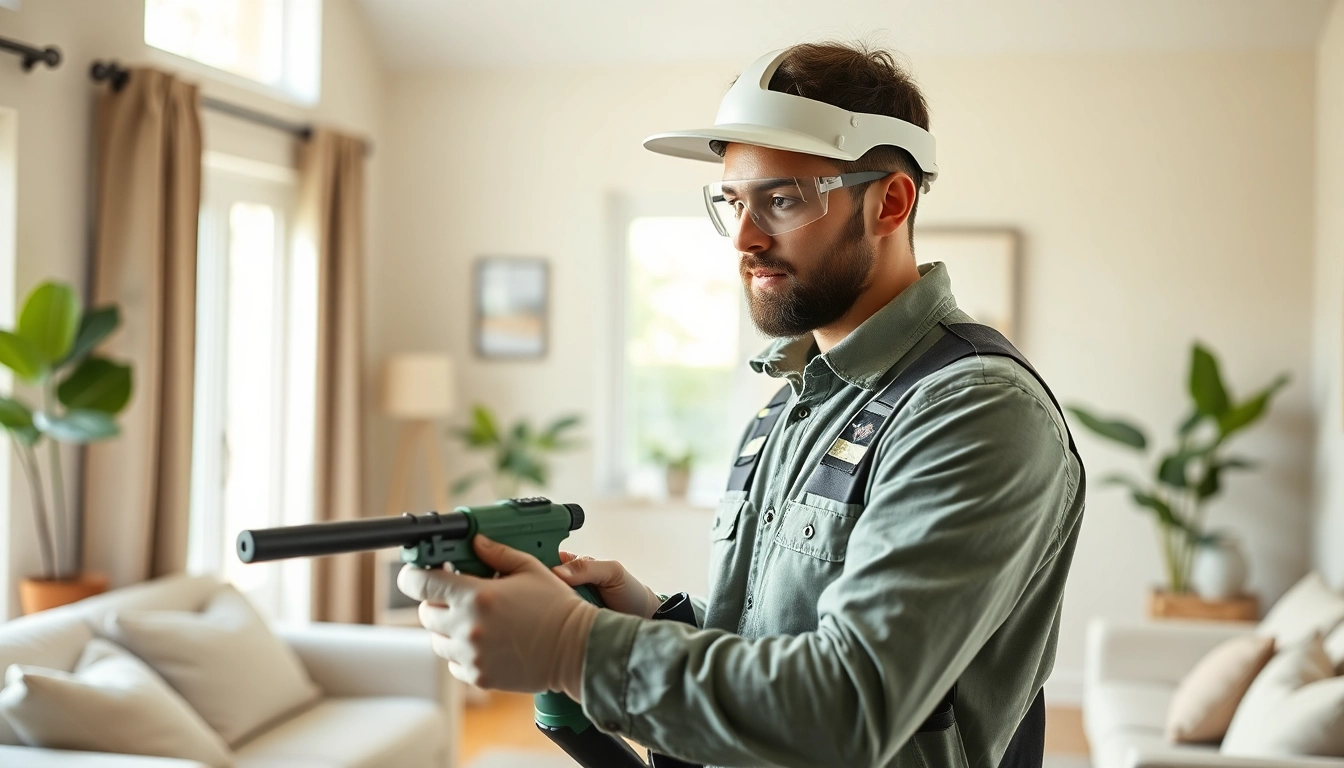
Effective Strategies for Indoor Safe Bug Extermination at Home
Understanding Indoor Safe Bug Extermination
What is Indoor Safe Bug Extermination?
Indoor safe bug extermination refers to the practices and solutions aimed at eliminating pests within residential or commercial spaces without the use of harmful chemicals or methods that could pose risks to human health, pets, and the environment. This approach prioritizes safety and efficacy, ensuring that homes remain pest-free while maintaining a non-toxic atmosphere for inhabitants. Professionals and homeowners alike are increasingly seeking solutions that minimize ecological impact, enhance air quality, and safeguard the well-being of family members and pets.
Importance of Safe Extermination Methods
Utilizing indoor safe bug extermination methods is not only essential for protecting the health and safety of residents but also for fostering a sustainable relationship with the environment. Traditional pest control often relies on potent chemicals that can jeopardize air quality and lead to health issues, particularly for vulnerable populations such as young children, pregnant women, and pets. By opting for safer solutions, individuals can significantly reduce the risks associated with chemical exposure, promoting a healthier home environment for all. Furthermore, safer extermination methods can lead to better long-term pest management, effectively alleviating infestations without contributing to pesticide resistance.
Common Indoor Pests Addressed
Many pests can invade indoor spaces, causing discomfort and potential health risks. Common indoor nuisances include:
- Ants: These insects often scout for food, invading kitchens and pantries.
- Roaches: Known carriers of diseases, roaches thrive in warm environments and can multiply quickly.
- Spiders: While most are harmless, their presence can be unsettling for many homeowners.
- Bed Bugs: These small insects feed on human blood and are notoriously hard to eliminate.
- Fleas: Commonly brought in by pets, fleas can cause itchy bites and spread rapidly.
Techniques for Indoor Safe Bug Extermination
Eco-Friendly Pesticides: Benefits and Usage
Eco-friendly pesticides are derived from natural substances and are designed to target specific pests without harming non-target organisms. These products are gaining popularity due to their effectiveness and lower toxicity levels compared to conventional pesticides. Benefits of using eco-friendly pesticides include:
- Health Safety: Reduced risks of health issues from chemical exposure.
- Environmental Impact: Lesser contribution to environmental pollution and toxicity in ecosystems.
- Effective Pest Control: Formulated to target specific pests without compromising effectiveness.
When using eco-friendly pesticides, it is crucial to follow the manufacturer’s instructions carefully. Proper application techniques, such as using appropriate personal protective equipment (PPE), can enhance safety and effectiveness.
Natural Remedies and DIY Solutions
Many homeowners prefer to use natural remedies for indoor pest issues. These solutions can be powerful, non-toxic, and easily accessible. Some popular DIY methods include:
- Essential Oils: Oils like peppermint, tea tree, and lavender are known to repel various insects.
- Vinegar: A natural disinfectant and deterrent, vinegar can be sprayed in areas where bugs are spotted.
- Boric Acid: This naturally occurring compound is effective against cockroaches and ants when used properly.
Applying these remedies requires consistency, as natural solutions often take longer to show results. Homeowners are encouraged to combine multiple methods for enhanced effectiveness.
Professional Services: When to Call an Expert
While DIY solutions are helpful, there are times when professional intervention becomes necessary. Situations that may require the expertise of pest control professionals include:
- Severe Infestations: When pest problems exceed DIY control capabilities.
- Health Risks: If pests like rodents or cockroaches are linked to health issues.
- Lack of Improvement: When home treatments do not yield positive results after several attempts.
Choosing a professional service that specializes in indoor safe bug extermination guarantees that safe and effective methods are utilized, focusing on both immediate pest removal and preventive measures to avoid future infestations.
Implementing an Indoor Bug Extermination Plan
Assessing Your Home for Pest Issues
In order to implement an effective extermination plan, homeowners must first assess their property for potential pest issues. This involves:
- Inspecting Common Areas: Check kitchens, bathrooms, and storage areas for signs of pests, including droppings or nests.
- Checking Entry Points: Identify cracks, gaps, and openings where pests may enter; sealing these can prevent infestations.
- Monitoring Food Storage: Ensure all food items are stored properly to avoid attracting pests.
A thorough inspection helps establish a baseline for the pest problem and should guide the choice of extermination techniques.
Creating a Pest Control Schedule
A comprehensive pest control schedule assists in keeping indoor spaces free from pests. Key components to consider include:
- Regular Inspections: Schedule monthly or quarterly inspections to catch potential infestations early.
- Seasonal Treatments: Some pests are more prevalent in certain seasons; adjusting treatments accordingly can enhance effectiveness.
- Post-Treatment Evaluations: After an extermination, evaluate the results and adjust future strategies based on findings.
Consistency is key, as regular maintenance significantly reduces the risk of major infestations.
Integrating Prevention Strategies
Preventing pests from invading is just as important as exterminating them. Effective strategies include:
- Proper Sanitation: Regular cleaning, especially in food preparation areas, deters pests.
- Moisture Control: Address leaks and damp areas in homes, as moisture attracts many pests.
- Landscaping Hygiene: Keep outdoor areas tidy and ensure that plants and bushes do not touch the house.
Preventive measures create an inhospitable environment for pests, making infestation less likely.
Performance and Effectiveness Metrics
Evaluating Success of Extermination Efforts
To determine the effectiveness of extermination efforts, homeowners should define success metrics, including:
- Reduction in Pest Sightings: Tracking the frequency of pest sightings before and after treatment gives a clear indication of success.
- Health Improvements: Noting any reductions in allergy symptoms or health issues related to pests can be a key indicator.
- Customer Feedback: Gathering feedback from family members or tenants about perceived changes in comfort levels or pest occurrences.
Regularly reviewing these metrics helps gauge the effectiveness of chosen extermination strategies and guides future adjustments.
Follow-Up: Monitoring for Future Infestations
Post-extermination follow-ups are crucial for long-term success. Effective strategies include:
- Ongoing Monitoring: Continue inspections to detect any signs of returning pests early.
- Retreatment Plans: Arrange periodic retreatments, especially for environments prone to infestations.
- Education: Educate all household members about pest signs to enhance awareness and prompt reporting.
Establishing a follow-up plan ensures that intervention methods remain effective and any resurgence of pests is handled swiftly.
Customer Satisfaction and Feedback
Measuring customer satisfaction is fundamental for pest control services. To assess satisfaction levels:
- Surveys: Conduct post-service surveys to gather feedback about the extermination process and effectiveness.
- Testimonials: Encourage customers to share their experiences, which can guide service improvements.
- Referral Programs: Offering incentives for referrals can help gather more insights while rewarding satisfied customers.
Incorporating customer feedback not only fosters trust but also leads to continuous improvement of pest control processes.
Frequently Asked Questions about Indoor Safe Bug Extermination
What are the most effective natural treatments for indoor pests?
Effective natural treatments include essential oils like peppermint and tea tree oil, vinegar-based solutions, and diatomaceous earth, which dehydrates pests.
How can I prepare my home for insect extermination?
Prepare by cleaning areas where pests are present, removing food and pet items, and vacating the space during treatment, as recommended by professionals.
Are indoor bug treatments harmful to pets and children?
Indoor bug treatments can be harmful if not used properly. Always choose pet-safe products, and consult with professionals for specific guidance.
How often should I repeat indoor safe bug extermination?
The frequency of extermination depends on pest types and infestation severity; however, a quarterly schedule is typically recommended for prevention.
What eco-friendly products are recommended for indoor pest control?
Recommended eco-friendly products include essential oil sprays, boric acid for cockroaches, and various natural insect repellents available commercially.