
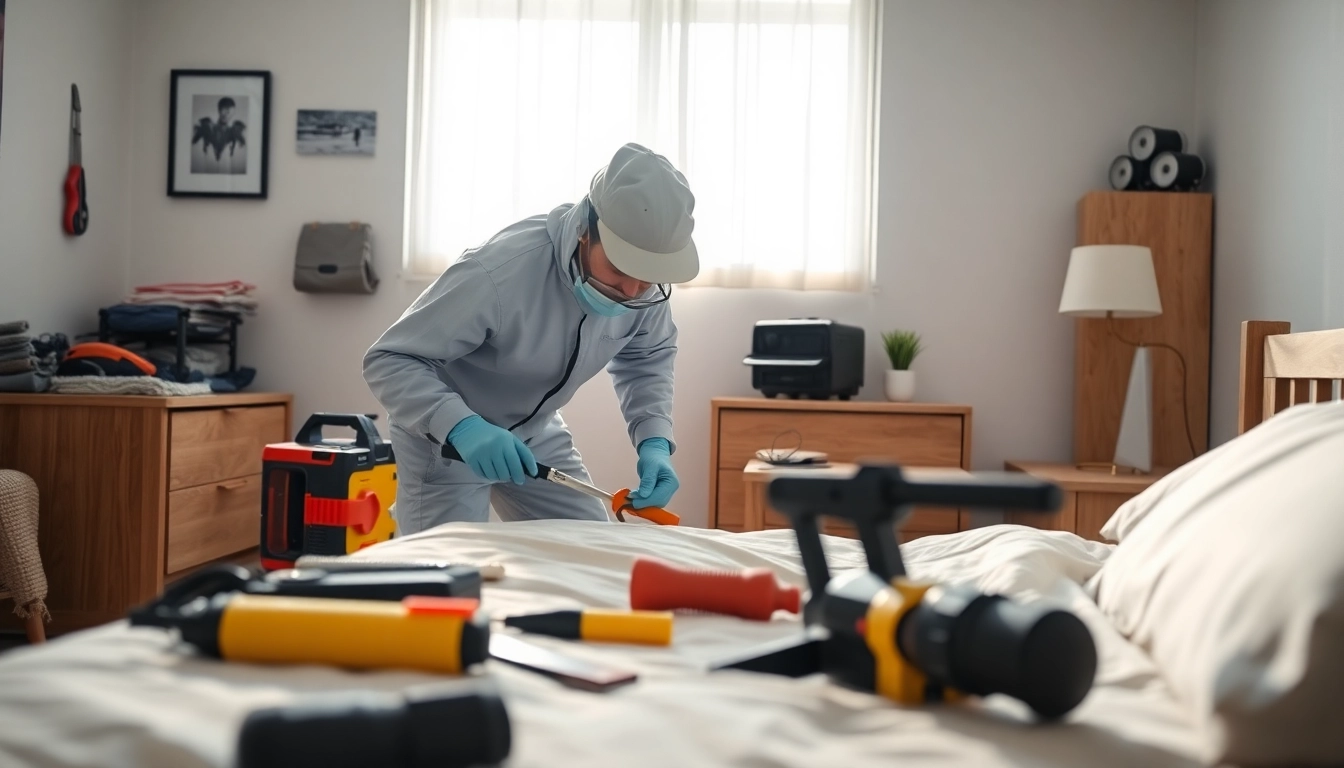
Comprehensive Strategies for Effective Bed Bug Pest Control
Understanding Bed Bug Infestations
What are Bed Bugs?
Bed bugs are small, reddish-brown insects that feed on the blood of humans and animals. They are approximately 4 to 5 millimeters long and are flat, which makes them difficult to detect. Bed bugs are nocturnal and prefer to hide in cracks and crevices during the day, making them elusive and hard to spot until an infestation has taken hold. These pests are most commonly found in bedding, furniture, and other areas where people sleep or rest.
Signs of Infestation
Identifying a bed bug infestation can be challenging, but there are several common signs to look out for:
- Bed Bug Bites: Itchy, red welts often appear in clusters or straight lines on exposed skin.
- Blood Stains: Small blood stains on bedding or upholstery may indicate bed bugs have been feeding.
- Fecal Spots: Dark, small spots on sheets or walls can be fecal matter left behind by bed bugs.
- Shell Casings: As bed bugs mature, they shed their outer shells, which can be found near their hiding places.
Causes of Bed Bug Infestations
Bed bugs can be introduced into homes through various means, including:
- Travel: Hotels, motels, and public transport can be hotspots for picking up bed bugs, which may hitch a ride in luggage.
- Second-Hand Furniture: Used items can harbor bed bugs if they are not properly inspected before bringing them into the home.
- Shared Living Spaces: Apartments and dormitories can facilitate the spread of bed bugs from one unit to another.
Prevention Strategies for Bed Bug Pest Control
Cleaning and Maintenance Tips
Regular cleaning and maintenance can significantly reduce the risk of a bed bug infestation. Here are some effective practices:
- Vacuum Regularly: Focus on bedrooms and living areas, particularly around furniture, baseboards, and carpets. Dispose of the vacuum bag immediately after use.
- Declutter: Remove unnecessary items from your home, as clutter provides hiding spots for bed bugs.
- Launder Clothes: Wash bed linens and clothing in hot water and dry them on high heat regularly to kill any potential bed bugs.
Travel Precautions
Traveling can increase the risk of bed bug exposure. Here are tips to minimize this risk:
- Inspect Hotel Rooms: Check the bed, headboard, and furniture for signs of bed bugs upon entering a hotel room.
- Keep Luggage Elevated: Place luggage on racks or tables rather than on the floor or bed to avoid contact with potential bed bugs.
- Packing Methods: Use sealing bags to keep clothes protected in your luggage.
Using Protective Covers
Bed bug-proof encasements can help protect your mattress and box springs from infestations:
- Mattress Encasements: These fully cover mattresses and box springs, preventing bed bugs from gaining access.
- Furniture Covers: Similarly, protective covers for couches and chairs can help keep these items free from bed bugs.
Effective Treatment Options
DIY Bed Bug Pest Control Methods
For those considering DIY methods, several approaches may help eliminate bed bugs:
- Heat Treatment: Bed bugs cannot survive temperatures above 120°F. Using a steamer on areas where bed bugs hide can be effective.
- Isopropyl Alcohol: Spraying a mixture of alcohol can kill bed bugs on contact, but it may require multiple applications.
- Homemade Traps: Setting up traps using soapy water can help capture bed bugs and monitor their presence.
Professional Pest Control Techniques
When DIY methods fail, it might be time to consider professional help:
- Pesticide Treatment: Certified pest control professionals have access to more potent pesticides that can effectively eliminate bed bugs.
- Heat Treatment Services: Professionals can use specialized equipment to heat entire rooms to a temperature lethal to bed bugs.
- Fumigation: In severe infestations, fumigation may be necessary, as it penetrates every corner of the home.
Integrated Pest Management Approaches
The Integrated Pest Management (IPM) approach combines multiple strategies for effective bed bug control:
- Regular Monitoring: Regular inspections and monitoring can help catch infestations early.
- Combining Methods: Utilizing both chemical and non-chemical methods ensures a comprehensive approach to extermination.
- Education and Awareness: Understanding the life cycle of bed bugs and their behaviors assists in effective control.
Cost Considerations in Bed Bug Pest Control
Factors Affecting Treatment Costs
Several factors can influence the cost of bed bug pest control services:
- Severity of Infestation: A heavy infestation will typically require more extensive treatment, driving up costs.
- Type of Treatment: Different methods (e.g., heat, pesticides) come with varying costs associated with labor and materials.
- Location: Prices may vary based on geographical location and the availability of pest control services.
Budget-Friendly Solutions
If you’re concerned about costs, here are a few budget-friendly options:
- Combine DIY and Professional Methods: Using DIY techniques alongside professional help can cut costs.
- Seek Local Resources: Some local health departments may offer assistance or referrals to low-cost services.
- Group Scheduling: Coordinating treatment with neighbors can lead to discounted rates.
Insurance and Pest Control Services
It’s essential to understand whether home insurance covers pest control and bed bug treatment:
- Policy Review: Review your homeowners’ insurance policy for pest control coverage, as policies often vary.
- Documentation: Keeping records of pest control treatment can be beneficial if you intend to file a claim.
Frequently Asked Questions about Bed Bug Pest Control
How do I know if I have bed bugs?
You may notice itchy bites, blood spots, small fecal stains, or actual bed bugs and their eggs in your bedding and furniture.
Can I treat bed bugs myself?
Yes, DIY methods exist, including heat treatment and sprays. However, they may not always be fully effective for severe infestations.
What is the average cost of bed bug treatment?
Costs vary depending on treatment type and infestation severity, typically ranging from $500 to $1500 for professional services.
How long does bed bug treatment take?
Treatment timelines can vary based on methods used and the extent of infestation, usually ranging from a few hours to several weeks for complete eradication.
What are the best preventative measures?
Regular cleaning, using encasements on bedding, and being cautious while traveling are some of the most effective preventative measures.
For those seeking more information or professional assistance, bed bug pest control can provide tailored services and insights to keep your home pest-free.