
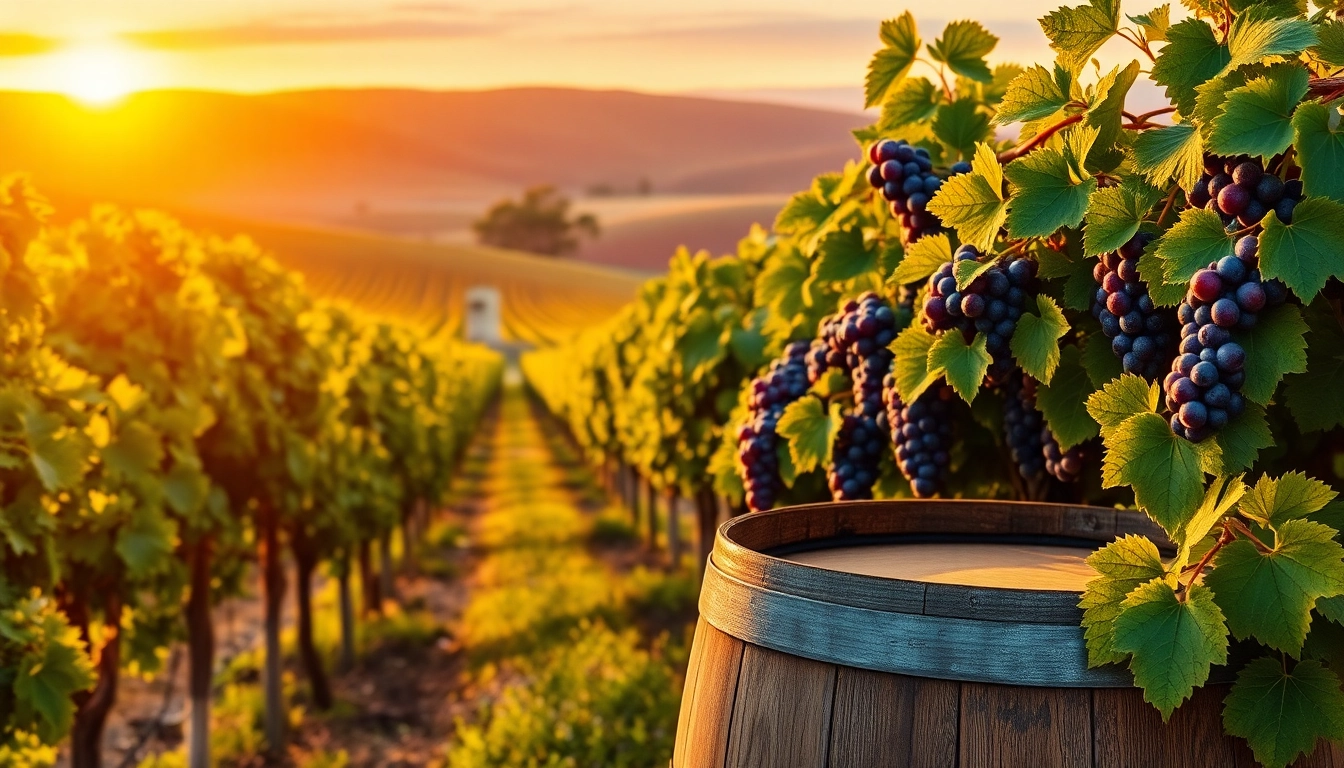
Experience the Best Wineries in California: A Journey Through Wine Country
Introduction to the Best Wineries in California
California is not just the Golden State; it’s the epicenter of viticulture in the United States. With a rich tapestry of history, climate, and geography, the state boasts some of the world’s most celebrated wineries. From the rolling hills of Napa Valley to the diverse terroirs of Sonoma County, the best wineries in California promise unforgettable experiences and exquisite wines that cater to every palate.
Brief History of California’s Wine Industry
The journey of California’s wine industry began in the late 18th century with the arrival of Spanish missionaries who planted the first grapevines in the region to produce sacramental wine. By the mid-19th century, California began to establish itself as a competitor in the global wine market, thanks to the introduction of European grape varietals. Significant advancements followed with the establishment of Napa Valley in the 1870s and the influence of Italian and French immigrants who brought their winemaking traditions. The 1976 Paris Tasting, where California wines bested French counterparts, was a pivotal moment, cementing the state’s reputation on the global stage.
The Unique Terroirs of California
California’s unique terroirs significantly contribute to its incredible range of wines. The term “terroir” encompasses the climate, soil, and geography of a specific region, which collectively influence grape growth and, in turn, the flavor profiles of the produced wines. Napa Valley, with its varied microclimates, allows the cultivation of prestigious varietals, while Sonoma County’s diverse landscapes nurture everything from Zinfandel to Pinot Noir. Each region offers distinct characteristics, allowing wine enthusiasts to explore a wide array of tastes and styles.
How Climate Influences Wine Production
Climate plays a vital role in wine production, shaping the flavor and quality of the grapes. The Mediterranean climate of California, characterized by warm, dry summers and mild, wet winters, is conducive to growing grapes. However, the state’s varied elevations and coastal influences create microclimates that affect each vineyard’s character. For instance, cooler coastal areas like the Pinot Noir-producing regions benefit from the morning fog, which helps preserve acidity and enhance flavor complexity, while inland valley areas experience more heat, ideal for robust varietals like Cabernet Sauvignon.
Top Regions for Wine Lovers
Napa Valley: The Crown Jewel of Wineries
Napa Valley is arguably the most famous wine region in the United States, synonymous with luxury and quality. Its reputation stems from the high caliber of its wines and its stunning landscape of lush vineyards framed by picturesque hills. Napa’s winemakers have garnered numerous accolades for their Cabernet Sauvignon, Merlot, and Chardonnay. Visitors can enjoy diverse experiences, from world-class tastings in lavish estates to intimate cellar tours. Key wineries frequently recommended include renowned venues that offer guided tours and tasting sessions designed to explore the nuances of their wines.
Sonoma County: Diverse Varietals and Experiences
Just west of Napa lies Sonoma County, which boasts an equally impressive wine scene characterized by its diversity. This region is home to a plethora of varietals, including Zinfandel, Pinot Noir, and Sauvignon Blanc, cultivated in distinct microclimates and soil types. Sonoma offers a more laid-back experience than Napa, with a multitude of organic and biodynamic wineries promoting sustainable practices in winemaking. The variety of tasting room styles—from chic and modern to rustic and charming—provides wine lovers a genuine feel for California’s wine culture.
Central Coast: Hidden Gems Awaiting Discovery
Stretching along California’s coastline, the Central Coast encompasses numerous wine regions like Paso Robles, Santa Barbara, and San Luis Obispo. Each area boasts unique characteristics, with Paso Robles known for its bold red blends, while Santa Barbara is celebrated for its cool-climate varietals like Chardonnay and Pinot Noir. The Central Coast’s relatively lower profile offers visitors the chance to discover hidden gems and fewer crowds, allowing for genuine interactions with winemakers and an intimate tasting experience surrounded by breathtaking landscapes.
Signature Wine Varietals to Try
Famous Cabernet Sauvignons
California is acclaimed for its Cabernet Sauvignon, particularly those from Napa Valley. With its lush fruit flavors, rich tannins, and aging potential, this varietal exemplifies power and complexity. The best expressions often feature notes of black currant, cedar, and vanilla, resulting from oak aging. Top producers craft Cabs that can age for decades, offering wine aficionados a journey of transformation as the wine evolves over time, enhancing its depth and finesse.
Chardonnays That Shine
While Cabernet Sauvignon may steal the spotlight, California’s Chardonnays deserve equal attention. Ranging from rich and buttery to crisp and mineral-driven, Chardonnay expressions vary widely based on the region and winemaking techniques. Coastal areas benefit from cooler temperatures, producing Chardonnays with bright acidity and fresh fruit flavors. Napa’s Chardonnays, often characterized by oak aging, display creaminess and complex notes of stone fruits. Wine lovers should seek out a variety of styles to appreciate the full range of California Chardonnay.
Unique Blends and Lesser-Known Varieties
In addition to the well-known varietals, California has a burgeoning scene of unique blends and lesser-known varieties. Winemakers are increasingly experimenting with Rhone varietals such as Syrah and Grenache, crafting exquisite blends that highlight the region’s terroir. Additionally, lesser-known grape varietals like Barbera, Tempranillo, and Vermentino are gaining traction among adventurous consumers. These wines often present exciting flavor profiles and offer a fresh perspective on California’s wine landscape, appealing to both novice and seasoned wine enthusiasts seeking to expand their palates.
Planning Your Visit to California Wineries
Best Times to Visit for Tours
The optimal time to visit California’s wineries depends largely on what you hope to experience. The harvest season, typically from September through October, is a thrilling time filled with activities, however, it tends to be bustling with visitors. Spring (March to June) is also lovely, with blooming vines and pleasant weather. For a quieter experience, winter (November to February) offers fewer crowds, though some wineries may close for tastings.
What to Expect During Tastings
Visitors can expect a range of experiences during tasting visits, tailored based on the winery. Generally, a tasting session includes samples of a selection of the winery’s offerings, facilitated by knowledgeable staff who share insights about the wines and winemaking process. Some tastings are conducted in elegant lounges or outdoors with stunning vineyard views, while select wineries offer private tastings in intimate settings. It’s common for wineries to charge a fee for tastings, often waived with the purchase of a bottle.
Tips for a Memorable Winery Experience
To enhance your winery visit, consider a few practical tips. Firstly, plan ahead by researching wineries and making reservations where necessary, especially for popular locations. Dress comfortably and use sensible footwear as tours may include walking through vineyards. Arrive with an open mind and engage with the staff; they can offer invaluable information about the wines. Lastly, consider spitting instead of swallowing during tastings if visiting multiple wineries, to appreciate each wine without becoming overwhelmed.
FAQs About the Best Wineries in California
What are the most popular wine tours in California?
Popular wine tours typically include tastings in Napa Valley, Sonoma County, and the Central Coast with options focusing on specific varietals or exclusive vineyard experiences.
How can I find family-friendly wineries?
Many family-friendly wineries offer activities for kids, spacious outdoor areas, and picnic spots. Local guides and tourism websites often list family-oriented options.
Are reservations required for tastings?
While not all wineries require reservations, many popular ones strongly recommend them, especially on weekends or during peak seasons, to ensure availability.
What is the average cost of wine tastings?
The average cost of wine tastings in California ranges from $10 to $50 per person, with some premium experiences priced higher. Fees may be waived with the purchase of wine.
Can I bring my own food to winery picnics?
Policies regarding outside food vary by winery. Some allow picnicking on their grounds, while others may have specific areas designated for food or food services available on-site.