
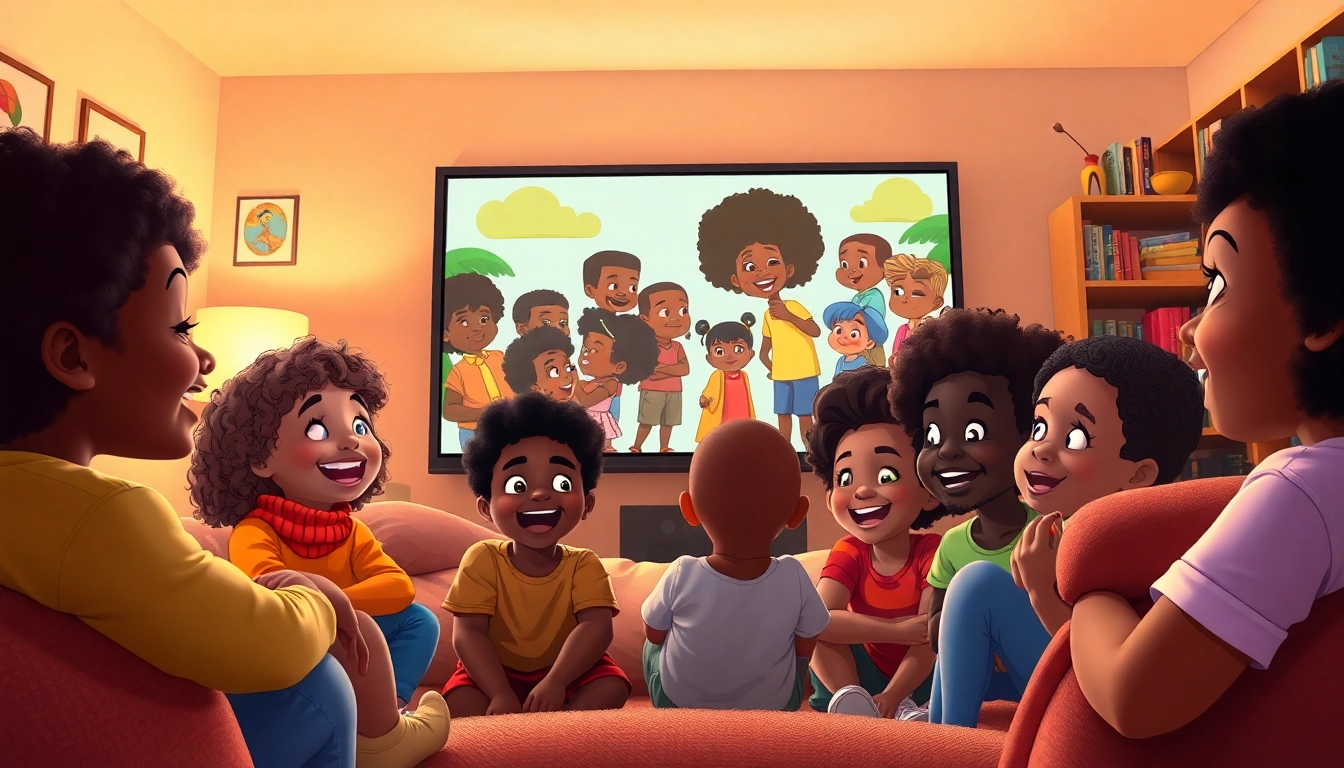
Discover 10 Essential African American Cartoons Transforming Kids’ Entertainment in 2026
The Evolution of African American Cartoons
In the realm of animation, African American cartoons have evolved significantly over the decades, reflecting cultural changes and societal progress. From early portrayals that often leaned on racial stereotypes to contemporary animations that celebrate diversity and understanding, this journey illustrates the power of representation in media. The evolution of these cartoons not only entertains but educates, providing younger audiences with relatable characters and stories.
Historical Milestones in Animation
The history of African American cartoons dates back to the early 20th century, with character-driven animations like “Sambo and the Three Bears” and “Injuns” often reinforcing negative stereotypes. However, the animation landscape started to shift during the civil rights movement in the 1960s when creators began to advocate for more accurate and positive representations of Black culture. Shows like “Fat Albert and the Cosby Kids,” created by Bill Cosby, marked a significant turning point by focusing on the experiences and challenges of African American youth.
Key Influences on Modern Cartoons
Today’s African American cartoons are influenced by various factors, including the push for inclusivity and the growing demand for culturally relevant content. Influential creators like Aaron McGruder of “The Boondocks” and the team behind “The Proud Family” have been instrumental in addressing social issues through humor and storytelling. These creators merge traditional animation techniques with contemporary cultural narratives, leading to stories that resonate with audiences of all backgrounds.
Impact of Cultural Representation
Cultural representation is crucial in cartoons, as it shapes perceptions and values in society. By showcasing diverse narratives, African American cartoons enable children and adults alike to engage with different cultures and perspectives. Shows like “Doc McStuffins,” which features a Black girl as a lead character in a medical setting, exemplify how animation can serve as a vehicle for promoting inclusion and understanding among young viewers.
Top African American Cartoons to Watch in 2026
As we delve into the current offerings in African American animation, several standout shows have garnered attention for their creativity and cultural significance. For those seeking quality content, African American Cartoons have a range of classics and new releases that cater to various tastes and preferences.
Classic Favorites That Resonate Today
- Fat Albert and the Cosby Kids: A beloved classic that focuses on the lives of urban youth, addressing issues like friendship, responsibility, and cultural pride.
- The Boondocks: A thought-provoking series that satirizes contemporary culture and race relations through the lens of two Black brothers.
- The Proud Family: A humorous take on family life, this series emphasizes the importance of community and cultural heritage.
New Releases Making Waves
- Young Justice: Featuring diverse characters, this series integrates social justice themes while appealing to older audiences.
- It’s Pony: While not exclusively focused on African American culture, this show features diverse characters, including relatable Black protagonists.
- Motown Magic: An educational animation that combines music and storytelling, showcasing the rich tradition of Motown in engaging ways.
Educational Cartoons Promoting Inclusion
- Doc McStuffins: This series not only entertains but educates young viewers about empathy and health.
- Esme and Roy: Featuring diverse characters, this show focuses on friendship and problem-solving through inclusive storytelling methods.
- Gracie’s Corner: An educational series that boosts literacy while featuring African American characters, fostering cultural pride in its young audience.
Iconic Characters Shaping African American Culture
Throughout the years, certain characters have become iconic, not just within African American animation, but in the broader cultural landscape. These characters serve as symbols of resilience, creativity, and cultural pride.
Characters that Define Generations
- Huey and Riley Freeman: Protagonists of “The Boondocks,” they encapsulate the struggles and triumphs of African Americans in modern society.
- Doc McStuffins: A young girl aspiring to be a doctor, she represents ambition and the breaking of traditional gender stereotypes.
- Penny Proud: From “The Proud Family,” she illustrates teenage challenges while embracing her cultural identity.
Lessons from Iconic Storylines
Many storylines within African American cartoons tackle crucial social issues, teaching valuable lessons about community, resilience, and justice. For example, “The Boondocks” offers commentary on racial identity and cultural appropriation, while “Fat Albert” provides insights into friendship and loyalty.
The Influence of Characters on Identity
Characters in African American cartoons have a significant impact on the identity formation of young viewers. By seeing relatable characters on screen, children gain confidence and develop a sense of belonging. This representation fosters positive self-image and cultural pride.
Promoting Diversity through Animation
Diversity in animation plays a vital role in shaping societal views on race and culture. As more diverse voices emerge in the industry, the landscape of children’s media becomes richer and more varied.
Importance of Representation in Children’s Media
Representation matters because it directly affects children’s understanding of their own identities and those of others. When children see themselves reflected in the media they consume, it validates their existence and experiences, making them feel connected to the world around them.
How Cartoons Promote Understanding
Cartoons that feature diverse casts and stories promote empathy and understanding among viewers. They provide insights into different cultures, fostering inclusive attitudes in children from a young age. This early exposure is vital in combating stereotypes and prejudice later in life.
Case Studies: Successful Initiatives
Several initiatives have emerged to further promote diversity in animation. The “Animation Guild” and programs like “Women in Animation” highlight the need for inclusivity, providing resources and support for underrepresented creators. These initiatives play a crucial role in shaping the future of animation and ensuring that diverse stories are told.
Future Trends in African American Animation
The future of African American animation looks promising as new talent emerges and the demand for diverse narratives increases. This evolution presents exciting opportunities for storytelling and representation.
Emerging Artists and Storytellers
With the rise of digital platforms, young creators from diverse backgrounds are gaining access to tools and audiences previously unavailable. This shift encourages innovative storytelling that reflects the complexities of modern society, paving the way for the next generation of animated content.
The Rise of Digital Platforms for Diversity
Streaming services and platforms like YouTube have opened doors for independent creators, showcasing their work to global audiences. This democratization of media allows for a greater variety of voices and stories in animation, highlighting African American experiences and cultures.
Predictions for Upcoming Trends
In the coming years, we can expect to see an even broader range of African American cartoons that address contemporary issues and celebrate cultural heritage. As audiences demand more inclusive stories, the animation industry will likely continue to adapt, offering richer and more diverse content.