
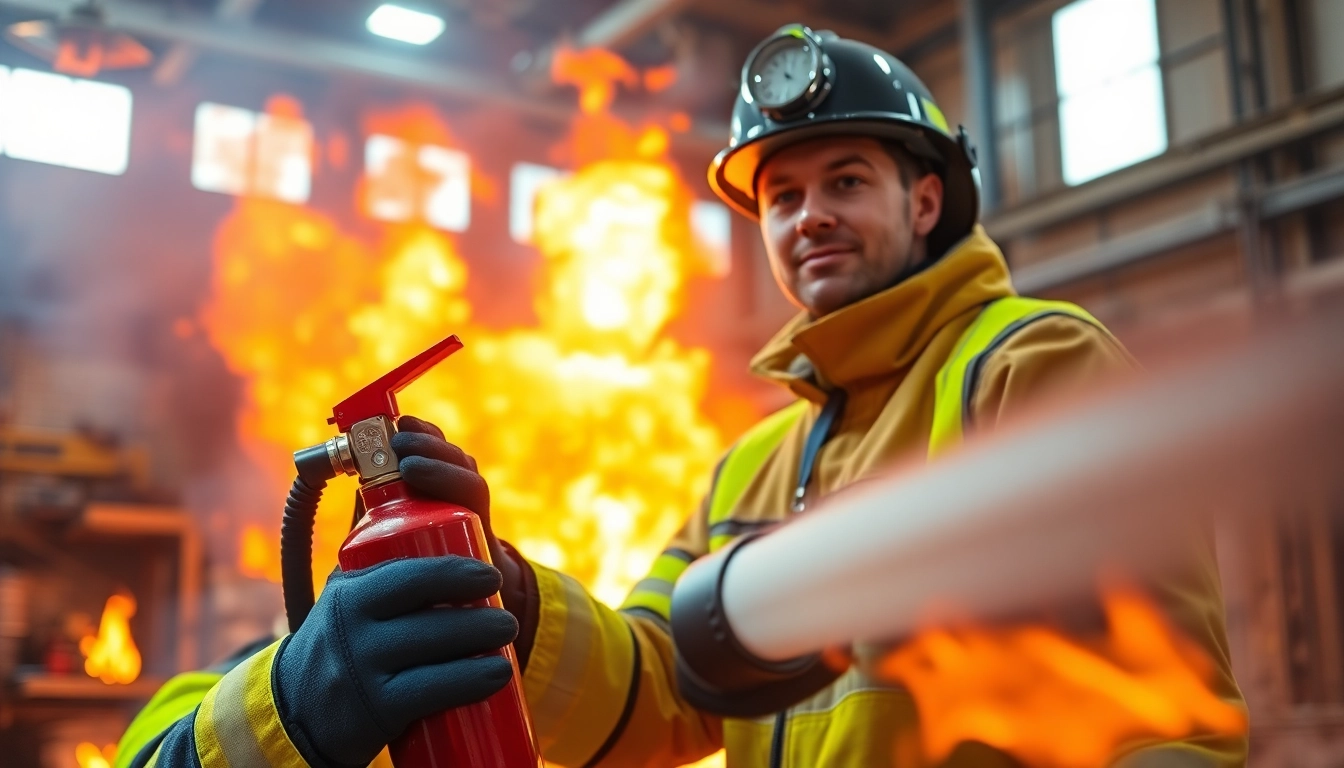
Effective Strategies to Pass Fire Extinguisher Training and Enhance Safety
Understanding Fire Extinguishers
Fire extinguishers are essential safety devices designed to combat small fires before they become unmanageable. Understanding the various types, selection criteria, and key features can significantly enhance workplace safety and preparedness. One of the primary aims of fire safety practices is to ensure that employees and personnel are trained appropriately in the use of these devices. Mastering the pass fire extinguisher technique may be a critical component of such training.
The Different Types of Fire Extinguishers
Fire extinguishers come in various types, each suited for different classes of fire. Here’s a breakdown of the common types:
- Class A: These extinguishers are designed for ordinary combustibles such as wood, paper, and cloth.
- Class B: Suitable for flammable liquids like gasoline, oil, and solvents, these extinguishers use foam or carbon dioxide.
- Class C: These are intended for electrical fires and typically use non-conductive agents like CO2 and dry chemical powders.
- Class D: Designed for combustible metals such as magnesium, titanium, and sodium, these extinguishers contain dry powder agents that suppress metal fires.
- Class K: Specifically for kitchen fires involving cooking oils and fats, Class K extinguishers use a wet chemical agent.
Choosing the right type of extinguisher is crucial for effective fire management. Attempting to extinguish a Class B fire with a Class A extinguisher can be ineffective, or worse, dangerous.
How to Choose the Right Fire Extinguisher
Selecting the appropriate fire extinguisher requires understanding the environment where it will be used. Consider the following factors:
- Identify the Fire Hazards: Conduct a risk assessment to identify all potential fire hazards present in your area.
- Understand the Fire Class: Ensure the extinguisher chosen corresponds with the types of materials present.
- Accessibility and Maintenance: Fire extinguishers should be readily accessible and require regular maintenance checks.
Consult local fire safety regulations as guidelines vary considerably by location and specific applications.
Key Features of Fire Extinguishers
When assessing fire extinguishers, several key features should be considered:
- Size: Fire extinguishers come in different sizes based on their capacity, typically measured in pounds.
- Pressure Indicators: Many extinguishers have pressure gauges to indicate whether they are charged.
- Ease of Use: Ensure the design allows for ease of operation. Consider smaller, lighter units for environments requiring frequent use.
- Durability: Look for models crafted from robust materials that can withstand different environmental conditions.
Preparing for Pass Fire Extinguisher Training
Training to effectively use a fire extinguisher is critical for ensuring safety in any environment. Preparing for this training requires a foundation of knowledge and skill.
Essential Knowledge Before Training
Before participating in fire extinguisher training, it’s vital to understand the following principles:
- Fire Behavior: Knowing how fires ignite, spread, and can become extinguished will help inform decisions during emergencies.
- Extinguisher Use: Familiarity with the PASS technique (Pull, Aim, Squeeze, Sweep) is essential, as this method outlines the correct procedure for using fire extinguishers.
- Safety Protocols: Awareness of when to fight a fire versus when to evacuate can save lives.
Practical Skills to Develop
Hands-on practice is the best way to learn how to use a fire extinguisher effectively. Essential skills include:
- Handling: Learn how to grip and operate an extinguisher smoothly under pressure.
- Timing: Understand the importance of timing in using an extinguisher, including when to activate and discharge it.
- Physical Strength: Regular practice can help build the physical strength necessary to handle extinguishers efficiently.
Common Challenges Faced
During fire extinguisher training, participants may encounter various challenges, including:
- Intimidation: The fear of a fire scenario can create anxiety. Mock drills can help alleviate this fear.
- Forgetfulness: Remembering the PASS technique under stress is daunting, which underscores the importance of regular training.
- Equipment Familiarity: Not all extinguishers are the same; familiarity with different types is crucial to confidence in an emergency.
Step-by-Step Guide to Using a Fire Extinguisher
Using a fire extinguisher effectively can mean the difference between controlling a small fire and an uncontrollable blaze. The following step-by-step guide illustrates the proper method to use fire extinguishers:
Understanding the PASS Technique
The PASS technique is a simple acronym that stands for:
- Pull: Pull the pin at the top of the extinguisher to break the seal.
- Aim: Aim the nozzle at the base of the fire, not the flames.
- Squeeze: Squeeze the handle slowly to discharge the extinguishing agent.
- Sweep: Sweep from side to side at the base of the fire until it appears to be out.
By following this clear sequence, individuals can systematically tackle small fires.
Proper Handling of Fire Extinguishers
Safe handling of fire extinguishers involves:
- Correct Grip: Ensure a firm grip while maintaining control.
- Awareness of the Fire’s Position: Always keep the fire in your line of sight as you approach.
- Exiting Safely: Maintain an escape route in case the fire spreads despite extinguishing efforts.
Safety Measures to Employ
The following safety measures should always be employed when using a fire extinguisher:
- Alert Others: Always ensure that others are aware of the fire.
- Know Your Limitations: If a fire is too large or spreading rapidly, evacuation is the best option.
- Inspect Equipment: Regularly check that extinguishers are in good working order.
Testing Your Knowledge and Skills
To ensure the skills learned in fire extinguisher training are retained and effectively applied, periodic testing and practice are crucial.
Assessment Methods for Fire Extinguisher Training
Various assessment methods can be implemented to evaluate knowledge and skills:
- Quizzes: Short-answer or multiple-choice quizzes at the end of training can reinforce key concepts.
- Practical Evaluations: Simulated fire scenarios can provide practical assessments of response.
- Feedback Sessions: Post-training discussions to reinforce lessons learned can aid retention.
Simulation Exercises to Practice
Engaging in simulation exercises can build confidence and competence. These exercises should include:
- Live Fire Drills: Controlled environments that simulate real fire scenarios help develop quick thinking under pressure.
- Mock Evacuations: Training participants on how to evacuate safely enhances emergency preparedness.
- Role-playing Scenarios: Assigning roles during drills can provide insight into various emergency response functions.
Evaluating Performance Outcomes
Post-exercise evaluations should assess skills, knowledge, and overall performance. Outcomes can be measured through:
- Observations: Instructors can provide insights on participant responses during practical exercises.
- Self-assessments: Encourage participants to reflect on their performance and identify areas for improvement.
- Group Debriefs: Collaborative discussions after training sessions can lead to shared learning experiences.
Enhancing Workplace Fire Safety
Creating a comprehensive fire safety culture within the workplace goes beyond just training. It requires systematic planning, regular drills, and ongoing education.
Creating an Emergency Plan
An effective emergency response plan should include:
- Clear Evacuation Routes: Well-marked exit routes and assembly points can aid efficient evacuations.
- Communication Protocols: Establishing clear lines of communication during emergencies is vital for accurate information flow.
- Regular Reviews: Periodically revisiting and revising the emergency plan as workplace dynamics change keeps procedures relevant.
Regular Safety Drills and Training
Integrating regular drills into the workplace routine is a key strategy to ensure preparedness:
- Scheduled Drills: Establish a regular schedule for fire drills to maintain familiarity with safety procedures.
- Cross-Training: Cross-train employees in various safety positions to enhance teamwork during emergencies.
- Feedback Mechanisms: Collect feedback on drills to identify strengths and areas for improvement.
Continuous Learning and Updates
Fire safety is not a one-time effort. Continuous learning and updates are essential for workplace safety:
- Stay Informed of New Regulations: Ensure compliance with the latest fire codes and workplace safety regulations.
- Ongoing Training: Periodically enhance training to include new technologies or practices in fire safety.
- Engagement with Professional Bodies: Involvement in fire safety organizations can provide insight into the latest trends and resources.
In conclusion, mastering fire safety measures, particularly the use of fire extinguishers, is fundamental to workplace safety. By understanding the various types of extinguishers, preparing effectively for training, applying learned techniques, and committing to continuous education, organizations can create a safer environment for all users.