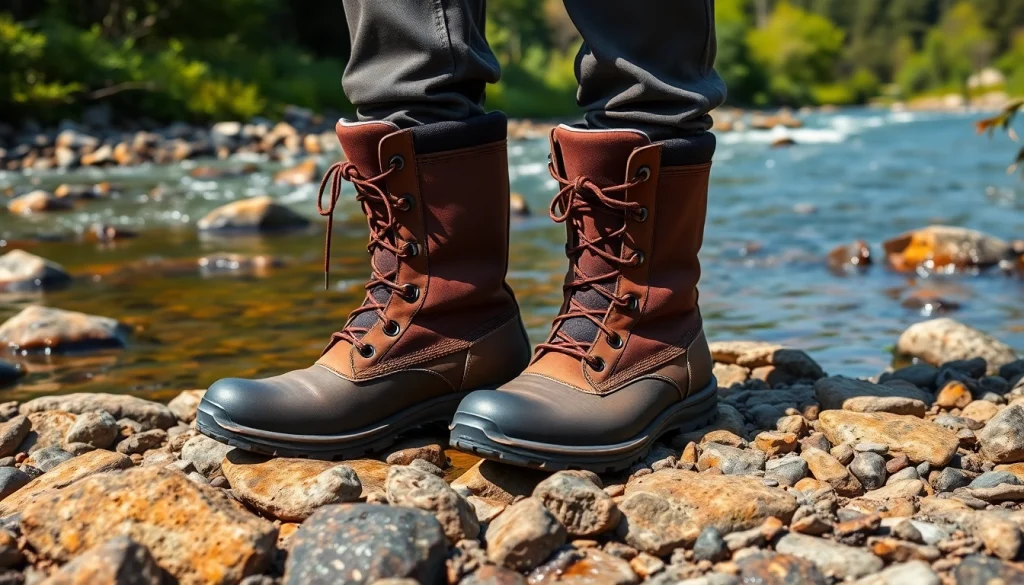
Understanding Fly Fishing Boots
For many anglers, the right gear can make all the difference in a successful fishing trip. Among the essential equipment for any fly fisher, fly fishing boots are critical. These boots not only protect your feet but also enhance your overall experience while wading into various water conditions. This article will explore the vital aspects of fly fishing boots, enabling you to make informed decisions.
What Are Fly Fishing Boots?
Fly fishing boots are specialized footwear designed specifically for wading into freshwater and saltwater environments. Unlike regular hiking or casual shoes, fly fishing boots are equipped with features that address the unique challenges faced by waders, such as slippery riverbeds, varying water depths, and the need for traction on different surfaces. These boots are often made with durable materials that withstand the rigors of repeated use in rugged conditions.
Key Features of Quality Fly Fishing Boots
When selecting fly fishing boots, certain key features distinguish exceptional pairs from the average. Here are some of the standout attributes to look for:
- Traction Soles: Most fly fishing boots come with specialized rubber soles that offer superior grip on wet and slippery surfaces. Some models may also feature felt soles or studded options for extra traction.
- Waterproofing: Quality boots are designed to keep your feet dry, using waterproof membranes or treated leather. This attribute is crucial for maintaining comfort during extended outings.
- Insulation: Many anglers prefer insulated boots for colder conditions. Insulation helps retain warmth without adding excessive weight.
- Height and Support: Depending on your wading needs, boots come in various heights—ankle, mid-calf, or thigh-high—providing varying levels of ankle support and protection against water entry.
Choosing the Right Size and Fit
Choosing the right size and fit for your fly fishing boots is essential for comfort and performance. A well-fitting boot will prevent blisters, discomfort, and unnecessary fatigue. Here are some tips to ensure the best fit:
- Try Them On: Whenever possible, try on the boots with the specific socks you plan to wear while fishing. This will give you a more accurate sense of the fit.
- Consider Adjustment Features: Look for boots with adjustable straps or laces that can accommodate various foot shapes and sizes.
- Check for Sizing Variability: Different brands may have slight variations in sizing, so be sure to consult their sizing charts and customer reviews for guidance.
The Importance of Waterproofing in Fly Fishing Boots
Waterproofing is a critical feature of fly fishing boots, and understanding its significance can greatly enhance your angling experience. Staying dry and comfortable is vital to effectively enjoying your time on the water.
How Waterproof Materials Enhance Comfort
Waterproof materials act as a barrier against external moisture while allowing for breathability. When your feet remain dry, you experience increased comfort and decreased fatigue during long periods of wading. This combination is essential for maintaining focus and maximizing your fishing potential.
Exploring Breathable Design Elements
In addition to waterproofing, many modern fly fishing boots incorporate breathable mesh components. This design allows moisture and heat to escape from inside the boot, reducing sweat accumulation and maintaining a comfortable interior environment. Breathable materials also play an essential role in temperature regulation.
Comparing Different Waterproof Technologies
Various brands employ different waterproof technologies, such as Gore-Tex or proprietary waterproofing systems, to enhance durability and effectiveness. Here’s a brief comparison between popular technologies:
- Gore-Tex: Renowned for its reliable waterproof and breathable membranes. Often found in high-end boots, Gore-Tex balances performance with longevity.
- Hydrophobic Materials: Some brands utilize water-repellent treated fabrics or synthetic materials that shed water while maintaining breathability.
- Sealed Seams: Boots designed with sealed seams enhance waterproofing capabilities, ensuring there are no weak points where water can seep in.
Essential Accessories for Fly Fishing Boots
To achieve the best performance from your fly fishing boots, pairing them with the right accessories is integral. Accessories can enhance both comfort and functionality, ensuring a superior experience on the water.
Best Wading Socks to Pair with Your Boots
A quality pair of wading socks can significantly improve your comfort level while fishing. Look for socks designed specifically for wading, which provide cushioning, moisture-wicking properties, and a snug fit without excessive bulk. Popular choices include:
- Merino Wool Socks: Known for their moisture-wicking and insulating properties, these socks keep your feet warm and dry.
- Synthetic Blend Socks: Crafted from synthetic materials that quickly dry, these are ideal for warm-weather fishing trips.
Footwear Care Products for Longevity
Maintaining your fly fishing boots with the right care products can extend their lifespan. Regular cleaning with mild soap and water, combined with water-repellent sprays, helps preserve the waterproofing and prevents premature wear.
Add-ons for Enhanced Stability and Performance
Several add-ons can enhance the performance of your fly fishing boots. Accessories such as additional grips, spikes, or cleats can improve traction on slippery surfaces or rocky riverbeds. These enhancements can offer the security you need, especially in challenging terrains.
Common Mistakes to Avoid When Buying Fly Fishing Boots
Purchasing the right fly fishing boots involves more than just picking any pair. Certain common mistakes can lead to discomfort and dissatisfaction. Here are critical pitfalls to avoid:
Underestimating Terrain Conditions
Understanding the environment where you’ll be fishing is essential while selecting boots. Some terrain types require specialized soles, such as felt for slippery surfaces or rubber for rocky banks. Consider where you’ll be wading the most to inform your choice.
Choosing Style Over Functionality
While aesthetics matter, choosing boots based on style rather than functionality can lead to problems. Always prioritize features that ensure safety and comfort, as this will ultimately enhance your fishing experience.
Ignoring Customer Reviews and Guidance
Many anglers turn to online reviews for insight into product performance. Neglecting to read customer feedback and expert reviews can lead to poor purchasing decisions. Look for feedback specific to comfort, durability, and waterproofing performance.
Maintaining Your Fly Fishing Boots for Longevity
Proper maintenance of your fly fishing boots is vital to ensure they last through many fishing seasons. Here, we outline the best practices for caring for your boots:
Cleaning Techniques for Different Materials
Different materials require tailored care. For instance:
- Leather Boots: Clean with a brush and leather-specific soap to remove dirt. Follow with a conditioning treatment to maintain suppleness.
- Synthetic Boots: Use warm water with mild detergent. Avoid harsh chemicals that can break down waterproofing.
Storage Tips to Preserve Shape and Integrity
Storing your boots correctly can prevent damage. Ensure they are completely dry before storage and use boot trees to maintain their shape. Avoid placing them in damp or humid areas, which can foster mildew.
When to Replace Your Fly Fishing Boots
Even the highest quality fly fishing boots will eventually wear out. Signs that replacement is necessary include noticeable leaks, worn-out soles lacking traction, or cracks and tears in the material. Regularly inspecting your boots can help you determine the right time for an upgrade.