
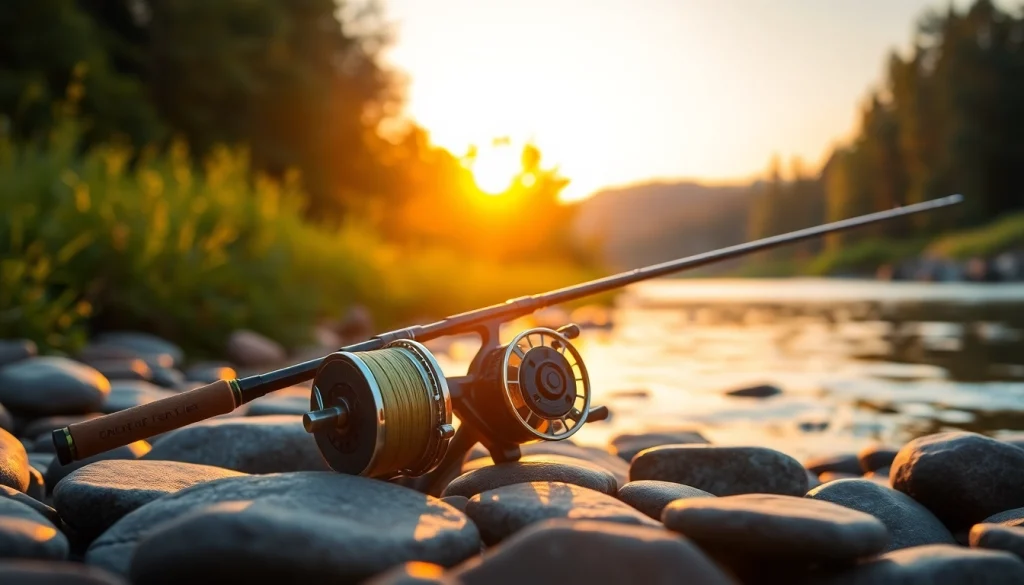
Understanding the Fly Fishing Combo Basics
For enthusiasts venturing into fly fishing, understanding the Fly fishing combo is essential. This integrated fishing equipment provides a convenient solution for both aspiring anglers and experienced fishers looking for quality and ease. In this guide, we’ll explore the defining characteristics and benefits of fly fishing combos, equipping readers with knowledge to select the right gear for their needs.
What is a Fly Fishing Combo?
A fly fishing combo typically refers to a set that includes a fly rod, reel, and often additional accessories like backing line, fly line, and leader. This combination is pre-matched for optimal performance, making it an excellent choice for both beginners and seasoned anglers. By using a combo, the intricate task of matching rod and reel specifications is simplified, thus allowing users to focus more on fishing.
Components of a Fly Fishing Combo
Understanding the basic components is crucial for choosing a suitable fly fishing combo:
- Rod: The rod length and action play a crucial role in casting techniques and fish types. Options generally range from 7 to 10 feet in length.
- Reel: This component should smoothly handle the fly line and have a reliable drag system to assist in controlling fish during the fight.
- Line: The fly line is specially designed to float on the water’s surface and is tapered to facilitate casting. Backing line helps ensure that you don’t run out of line during fights with larger fish.
- Leader: This is a transparent line connecting the fly line to the fly itself, allowing for subtle presentations to fish.
Choosing the Right Size and Weight
When selecting a fly fishing combo, understanding size and weight is paramount. Rods are rated by weight, which determines their suitability for certain fish species. For instance:
- A 3-5 weight rod is ideal for small streams and trout.
- A 6-8 weight rod works well for larger freshwater fish and saltwater species.
- Fly combinations will often specify the appropriate weight for optimal performance, ensuring ease in casting and bite detection.
Benefits of Using a Fly Fishing Combo
Simplicity and Convenience
The primary advantage of a fly fishing combo is its simplicity. By purchasing a pre-matched kit, anglers avoid the trial and error of selecting individual components. This convenience is especially beneficial for beginners, simplifying the learning curve associated with the sport.
Cost-Effectiveness
Combos often present a more cost-effective option than purchasing each component separately. They are designed to provide a comprehensive fishing experience at a competitive price. This makes them accessible for newcomers and seasoned anglers looking to keep budget constraints in mind.
Ideal for Beginners and Pros Alike
While beginners can greatly benefit from the structured nature of fly fishing combos, even experienced anglers appreciate the value of having a reliable all-in-one solution. This means less preparation and more time on the water, which is the ultimate goal for any fishing enthusiast.
Factors to Consider When Selecting a Fly Fishing Combo
Material and Construction Quality
The material of the rod and reel can significantly influence the durability and performance in various fishing environments. Graphite rods are lightweight and sensitive, allowing you to detect minor bites. Aluminum or composite reels offer strength and reliability in handling larger fish.
Type of Fishing and Environment
Understanding the fishing environment is crucial for making the right choice. Are you fishing in freshwater lakes, rivers, or saltwater? Each environment has specific requirements regarding rod length, reel capacity, and line choice. Being informed will ensure you select a combo that performs optimally.
Budget vs. Quality
Your budget will directly impact the quality of the fly fishing combo you can afford. While it’s possible to find affordable options, investing in a higher quality comb often pays off in performance and longevity. Therefore, balance your budget with your fishing needs and preferences for the best outcomes.
Top Features of a Quality Fly Fishing Combo
Rod Action and Flexibility
Rod action refers to how much of the length of the rod bends when pressure is applied. Fast action rods bend primarily at the tip and are ideal for distance casting and large fish. Slow action rods can bend halfway down the rod and are great for delicate presentations in calm waters.
Reel Design and Functionality
A quality reel should feature a smooth drag system, which allows for easier control during fights. Look for reels with quality bearings and a lightweight make that won’t add excess weight to your setup. Furthermore, selecting a reel with an ergonomic handle can improve overall user experience during extended fishing sessions.
Accessories and Extras
A good fly fishing combo might come with additional accessories such as flies, tippets, and cases which enhance the fishing experience. These extras can help newcomers practice and get good value out of their purchase right away.
Frequently Asked Questions about Fly Fishing Combos
What makes a good Fly Fishing Combo?
An ideal Fly fishing combo balances rod, reel, and line that are tailored to your fishing style, offering seamless performance.
Can a Fly Fishing Combo be used for different species?
Yes, many Fly fishing combos cater to various fish species, with versatile gear suitable for both freshwater and saltwater fishing.
How do I maintain my Fly Fishing Combo?
Regularly clean your rod and reel after use. Store them dry and protect them from damage to prolong their lifespan.
Is a Fly Fishing Combo suitable for beginners?
Absolutely! The simplicity of Fly fishing combos makes them excellent for newcomers, guiding them through essential techniques.
What is the average cost of a Fly Fishing Combo?
Prices vary widely, but for quality options, expect to invest between $100 to $500, depending on the materials and features.