
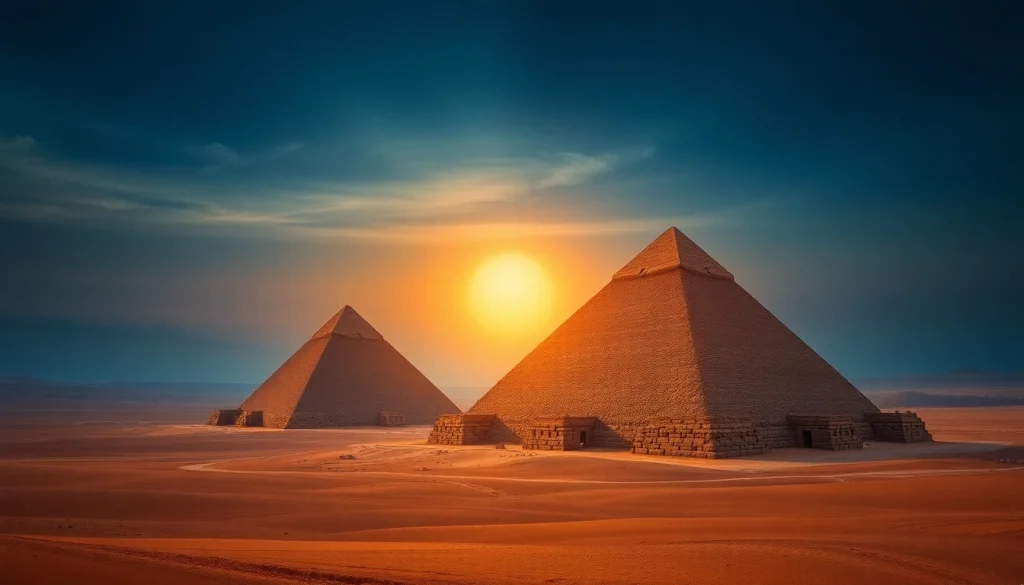
Understanding the Significance of Pyraminds
Pyraminds represent more than mere structures; they are profound monuments of human history, architecture, and culture. These magnificent edifices, frequently associated with the ancient Egyptian civilization, showcase the extraordinary skills and ambitions of their builders. By looking deeper into the significance of piraminds, we can appreciate the complex interplay between history, culture, and architecture that defines these iconic structures.
Historical Context of the Pyraminds
The genesis of the pyraminds can be traced back to the Early Dynastic Period of Egypt around 3100 BCE, evolving significantly over the centuries. Initially, royal burials were simple mastabas—flat-roofed, rectangular structures. The shift to pyramidal shapes began with the Step Pyramid of Djoser, designed by the architect Imhotep, marking a significant architectural advancement. Following this, the pyramid shape became synonymous with pharaonic power, culminating in the grand pyramids at Giza, built for Pharaohs Khufu, Khafre, and Menkaure.
Cultural Importance in Ancient Egypt
The pyramids were not only tombs but also symbols of the pharaoh’s divine status, embodying their journey into the afterlife. They represented a connection between the heavens and the earth, facilitating the deceased’s ascension to the gods. This belief was intricately woven into Egypt’s religious practices, as the pyramids’ construction often involved elaborate rituals. The funerary rites and the treasures buried with the pharaoh were intended to ensure a prosperous afterlife, reflecting the culture’s profound respect for death and rebirth.
The Role of Pyraminds in Egyptian Society
Pyramids served as monumental expressions of the pharaohs’ absolute authority and their role as intermediaries between gods and humans. They functioned as a focal point for religious activities and drew thousands of laborers, artisans, and priests. The construction of pyramids also stimulated the economy; resources were directed towards the food supply, materials, and skilled laborers, creating jobs and sustaining the empire. Thus, the pyramid complexes became vital centers of political and social life in ancient Egypt.
Architecture and Construction Techniques of Pyraminds
The architectural design of the pyramids is a testament to ancient engineering prowess. The construction methods employed demonstrate an advanced understanding of geometry, logistics, and labor management.
Materials Used in Pyramind Construction
The primary building material for pyramind construction was limestone, quarried locally, which was then shaped into blocks. The exterior was often covered in Tura limestone, known for its bright, white color, reflecting sunlight and giving the pyramids a golden appearance during the day. Granite, sourced from Aswan, was used for specific internal structures, such as sarcophagi and chamber ceilings, showcasing the significance and wealth of the pharaoh for whom the pyramid was built.
Innovative Building Techniques Employed
The construction of pyramids involved sophisticated techniques that have intrigued historians for centuries. One notable method was the use of sledges and lubrication to transport heavy stones across the desert. Recent studies indicate that wetting the sand in front of sledges significantly reduced friction. The pyramid’s base was carefully leveled, and a straight approach ramp was likely used to elevate stones to greater heights, allowing workers to stack blocks accurately as construction progressed upward.
Challenges Faced During Construction
Building pyramids posed substantial challenges, ranging from logistical issues to labor management. Workers faced harsh weather conditions, the immense physical burden of transporting heavy stone blocks, and the need for meticulous planning and organization. The labor force comprised skilled artisans and seasonal laborers, often working in shifts, which necessitated advanced knowledge of team management. Moreover, maintaining the structural integrity of these massive edifices over time required ingenuity and precision—a testament to the builders’ capabilities.
Exploring the Mysteries Surrounding Pyraminds
The pyramids have long been the subject of intrigue; their potential secrets have ignited both scholarly research and popular imagination.
Common Myths about Pyraminds
Myths about pyramids often perpetuate misconceptions. One prevalent myth is that slaves built the pyramids; evidence suggests a workforce of skilled laborers who were well-fed and respected. Another myth asserts that pyramids were constructed solely as tombs, ignoring their multifaceted roles in society, religion, and culture. These narratives, rooted in misunderstanding, obscure the true significance of the pyramids within their historical context.
Recent Discoveries and Research Findings
Recent archaeological findings have shed light on the construction of the pyramids, revealing new insights about workers, tools, and methods. Discoveries, such as the existence of worker camps and evidence of incentive structures, have transformed understanding of labor dynamics. Innovative technologies, including scanning and drones, are now utilized to uncover hidden chambers and passageways, unlocking previously sealed secrets of these ancient wonders.
Archaeological Techniques Used in Pyramid Studies
Modern archaeology employs various techniques to study pyramids. Ground-penetrating radar is instrumental in identifying voids within the structures. This non-invasive technology permits researchers to map underground features without disturbing the integrity of the sites. Additionally, detailed satellite imaging and aerial photography facilitate landscape analysis, contributing to a comprehensive understanding of the pyramids’ contextual relationships within their surrounding environments.
Modern Interpretations and Influences of Pyraminds
The legacy of the pyramids extends beyond their original function; they continue to inspire contemporary art, architecture, and cultural interpretations.
Pyraminds in Popular Culture
Pyraminds have permeated popular culture, emerging in films, literature, and art. Their mysterious aura captivates audiences, often used as symbols of ancient knowledge and power. From movies featuring thrilling adventures in the pyramids to video games incorporating pyramids as exploration sites, their presence is ubiquitous. These portrayals often blend myth with historical facts, shaping public perception and interest in ancient Egypt’s grandeur.
Architectural Influences in Contemporary Designs
The architectural designs inspired by pyramids resonate in modern structures globally. The geometric forms of pyramids have influenced various architectural styles, ranging from skyscrapers to memorials. The pyramid shape often signifies stability and resilience, making it popular for sustainable architecture and green buildings. As modern architects continue to seek inspiration from historic structures, the essence of the pyramids lives on through innovative designs that nod to ancient mastery.
Preservation Efforts for Historical Sites
Preserving pyramids is crucial as they face threats from environmental factors and human activities. National and international organizations work tirelessly to safeguard these iconic monuments. Efforts include stabilizing structures, cleaning affected areas, and implementing visitor regulations to minimize wear. Sustainable tourism practices are also encouraged to balance public interest with preservation needs, ensuring future generations can appreciate these remarkable structures.
Visiting the Pyraminds: A Traveler’s Guide
Visiting the pyramids is a transformative experience. Travelers can connect with history, architecture, and culture in an unparalleled way.
Best Times to Visit and How to Prepare
The ideal time to visit the pyramids is during the cooler months from October to April. Visitors should prepare by booking guided tours that provide historical context and insights, ensuring a rich experience. Comfortable footwear is advisable for walking on uneven surfaces, and tourists should stay hydrated given the desert climate. Planning ahead allows for an unforgettable visit without the hassle of navigating logistics on-site.
Must-See Attractions Near the Pyraminds
In addition to the pyramids themselves, several attractions nearby enhance the visiting experience. The Great Sphinx, a mythical creature with the body of a lion and the head of a pharaoh, captivates with its grandeur. Nearby museums, such as the Egyptian Museum in Cairo, house treasures and artifacts that provide context for the pyramids’ history. The necropolis at Saqqara showcases other pyramid structures, offering a broader picture of ancient burial practices.
Safety Tips for Travelers Exploring Ancient Sites
Safety is paramount when visiting ancient sites. Visitors should adhere to guidelines provided by tour operators and site managers. It is essential to remain aware of one’s surroundings and follow designated paths to protect the sites and ensure personal security. Engaging with knowledgeable guides adds a layer of safety and context, transforming visits into insightful journeys through time.
Frequently Asked Questions
1. What purpose did the pyramids serve?
The pyramids primarily served as royal tombs designed to facilitate the pharaoh’s journey to the afterlife and symbolize their power and divine status.
2. Who built the pyramids?
Pyramids were constructed by a workforce of skilled laborers, not slaves, who were well-fed and organized in teams for the complex tasks involved.
3. How were pyramids constructed without modern technology?
Ancient Egyptians utilized innovative methods, such as sledging and wetting sand to reduce friction, enabling them to transport heavy stones effectively.
4. Are there hidden chambers in the pyramids?
Yes, recent archaeological studies using advanced scanning techniques have uncovered potential hidden chambers within some pyramids, which are still being explored.
5. How can I prepare for a visit to the pyramids?
To prepare for a visit, plan your trip for cooler months, book guided tours in advance, wear comfortable shoes, and stay hydrated while exploring.